

Expertise / Leader & Organization Improvement
Organizational Effectiveness Consulting
Teams that run the business and solve the next problem themselves, without depending on consultants.
In short
Leader & Organization Improvement (LOI) is Maine Pointe's practice for three things: making performance gains last, designing an organization that supports the target operating model, and developing leaders ready to run an AI-enabled business. It is part of Total Value Optimization™.
Why it matters
Leader & Organization Improvement that sustains performance
Organizational effectiveness shows up in cost, service and cash. Slow decisions hold up supplier awards and production changes. Overlapping roles add cost and blur who answers for service. Gains that fade after a program ends put the savings and cash back at risk.
- Performance improves while the consultants are on site, then slides back into old habits within months.
- Overlapping roles and extra management layers slow decisions and add cost nobody can see on one chart.
- Leaders can't see how a call in procurement lands in manufacturing, logistics or working capital.
- Every new disruption, a failed supplier or a demand swing, needs another outside team to solve it.
- The target operating model is agreed in the boardroom, but the organization underneath it was never redesigned to deliver it.
- AI is changing how work gets done faster than leaders are being prepared to run it.
Organization design
Organization design, decision rights and accountability
Does the organization fit the strategy?
Target operating model design
Structure aligned to your target operating model: Centralized, decentralized and center-led options built with your leaders, with the trade-offs in cost, customer proximity and control set out side by side.
How many layers do we need?
Roles, spans & layers
Role clarity, span of control and leadership layers reviewed against best-in-class organizations, so overlaps and redundant management overhead come out.
Who owns this decision?
Decision rights & accountability
Key decisions mapped to clear owners with ORCI™ charts, so the people closest to the operation have the authority to act.
How do we run the business every week?
Management operating system
Daily, weekly and monthly routines, KPIs and reviews that turn problems into actions at the right level of the organization.
Choosing the structure: what changes in daily work
Centralized
Strength: One set of processes, full spend leverage and consistent control.
Trade-off: Further from customers and sites, so local decisions can slow down.
Day to day: Decisions and approvals route to the center; sites follow common standards.
Decentralized
Strength: Speed and closeness to customers and local markets.
Trade-off: Duplicated roles, lost scale and little visibility across units.
Day to day: Each business unit owns its decisions, staff and suppliers.
Center-led
Strength: Scale and common standards from the center, with local execution.
Trade-off: Needs clear decision rights so the center and sites don't overlap.
Day to day: The center sets strategy and standards; sites run day-to-day work within them.
Leadership capability
Leadership consulting that builds operating capability
We coach leaders and front-line supervisors to run the business through clear KPIs and daily, weekly and monthly problem-solving routines, until they run those routines without us. We also show where standardization, automation and governed AI can release capacity, with client leaders keeping ownership of every decision.
The next generation of leaders
Leaders who can work alongside AI agents and analytics: knowing which decisions to automate, which to keep, and how to lead teams whose work is changing.
AI-ready leadership
Coaching and development that prepare current and emerging leaders to make decisions with AI, redesign work around it and bring their teams with them.
Future-proofing with automation & AI
Where process standardization, automation, AI agents and best-cost locations free capacity for higher-value work.
How it works
Organizational transformation and change management
Options are co-created with your leadership team and every decision is documented with its rationale. You receive organization charts, ORCI™ charts, role descriptions, a phased roadmap and communication tailored to each audience.
- 01
Focus & align
Agree what success looks like with the executive team, map the people most affected and name the biggest barriers before any design work starts.
- 02
Assess
Review structures, roles and data, interview leaders across the organization and benchmark against best-in-class peers.
- 03
Design
Capture the non-negotiables, then build and compare organization options with leadership, alongside automation and AI opportunities.
- 04
Align
Facilitated sessions to choose the future state, with every decision documented with its rationale.
- 05
Embed
Org charts, ORCI™ charts, role descriptions, a phased roadmap and a communication plan, then coaching until the routines run without us.
Resistance is the biggest risk. We address it at every step.
Align on principles before structure
Management agrees the non-negotiables, such as customer proximity, performance expectations and decision thresholds, before any model is proposed.
Co-create, don't present
Options are built with leadership, not delivered to them. Trade-offs are explicit and documented, which removes surprise and resistance.
Communicate by audience
Executives get the strategic rationale, function leaders get the design intent, and front-line teams get role clarity and transition support.
Governance that sustains
Every engagement ends with clear accountability, a governance model and performance measures built into the new structure from day one.
Where to start
Start with an Organization Health Check
A short, focused review of how your organization makes decisions and sustains performance, ending with a fact-based view of where structure, roles and routines are holding results back.
- Current-state summary of structure, roles, spans and layers
- Decision-rights and accountability gaps, with the cost of each
- Management routines and KPIs reviewed against best practice
- Prioritized options and a roadmap your leadership team has agreed
The agreed roadmap connects directly to performance work in procurement, operations and planning, so the new structure and routines carry the savings, service and cash those programs deliver. It is part of Total Value Optimization™.
Questions
How to measure and improve organizational effectiveness
How do you measure organizational effectiveness?
Measure organizational effectiveness by results and by how they are produced: delivery against operational and financial targets, speed and clarity of decisions, spans and layers, adherence to management routines, leadership capability and engagement and retention in critical roles.
How do you improve organizational effectiveness?
Clarify the operating model and decision rights, align structure to how value is created, install simple management routines with clear owners, coach leaders to run them and track a few measures that link people and process to results.
How do you make a new structure work after implementation?
We coach leaders and supervisors in their new roles until the routines run without us, check adoption against the agreed decision rights and KPIs, and leave a governance model with clear accountability and performance measures built into the new organization.
What is Leader & Organization Improvement (LOI)?
LOI is Maine Pointe's practice for building the leadership, structure and management routines a business needs to sustain operational improvement. It is part of Total Value Optimization™, so organization changes are tied to measurable cost, service and cash results.
How is this different from a typical org design project?
We design with your leaders rather than presenting a finished answer, and we stay through implementation. The test is whether your team can run the new way of working, and solve the next problem, without outside help.
How long does an organization redesign take?
A focused redesign of a function typically runs over several weeks, from alignment through assessment, design and an agreed implementation roadmap. Scope and timing are set with you at the start.
Do you look at automation and AI as part of the redesign?
Yes. Each design looks at where standardization, automation, AI agents and best-cost locations can take work off your people, so the organization is built for how work will be done, not just how it is done today.
How do you prepare leaders for AI?
We build AI into leadership development: how to judge which decisions to automate, how to work with AI agents and analytics, and how to lead teams whose roles are changing. It is coached on real work inside the business, not taught in a classroom.
Is this only about sustaining Maine Pointe engagement results?
No. Making engagement gains last is one part. LOI also redesigns the organization to support your target operating model and develops the next generation of leaders for an AI-enabled business.
How do you manage resistance to change?
We treat resistance as the biggest risk and address it at every step: early executive alignment, co-creation of options, communication tailored to each audience, and governance that makes accountability clear from launch day.
Proof · Industrial manufacturer
Results your organization can sustain
Moving to a center-led strategic sourcing organization
A construction equipment manufacturer built from 18 acquired companies bought separately at every site. More than 50 client staff worked in cross-functional teams on 141 sourcing events, each run through the same six-step process, while a center-led procurement structure was put in place to sustain the gains. The client could see its combined spend across all 18 sites for the first time.
$51MCash released
12%Profitability improvement in ten months
6:1ROI
Featured success stories
Organizations that kept the gains.
 Chemicals
 company
Facilitating cultural change as part of company transformation
Reduced rail switching costs by 46%, rail freight costs by 18% and rail shipping costs by 2%.
Read the client story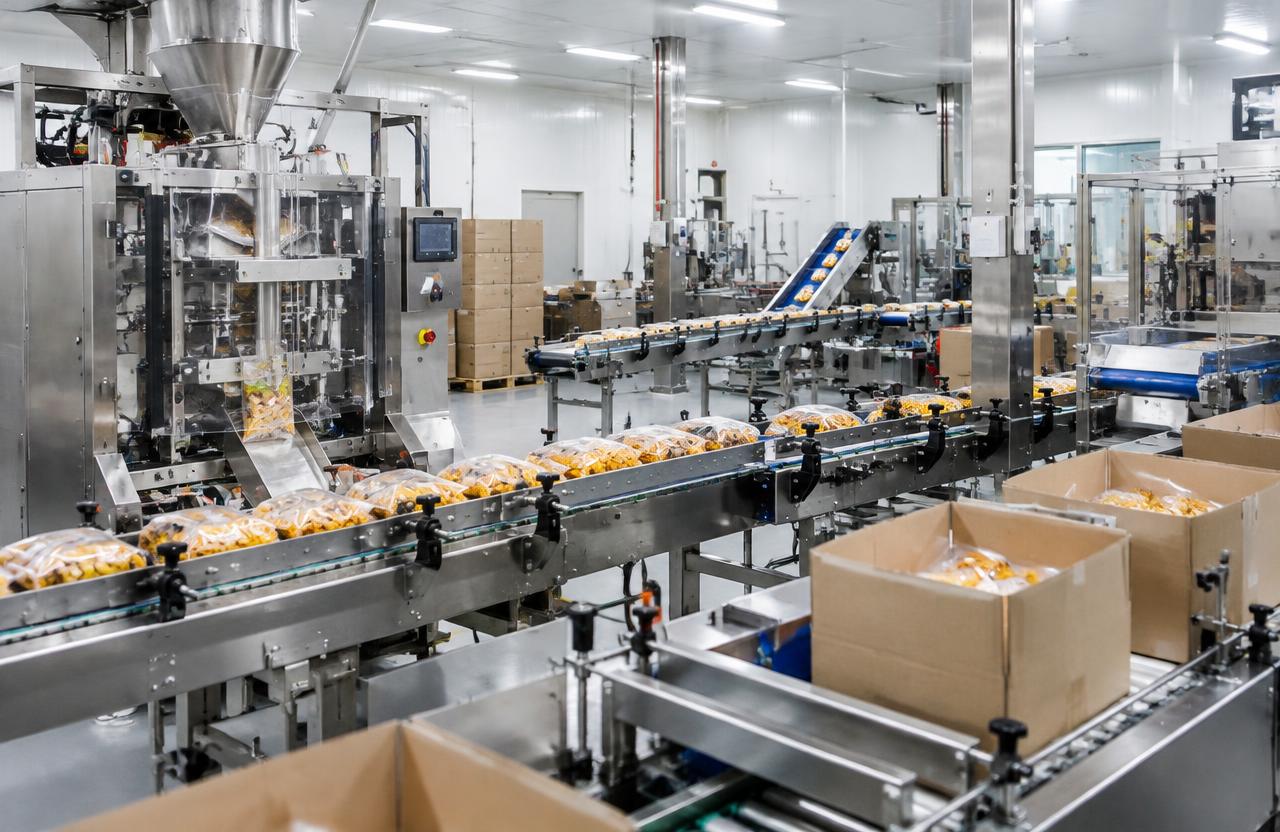 Agriculture & Food
Agriculture & food company
Implementing a Management Operating System
This leading producer of fully-cooked refrigerated entrées had unacceptably high food and other direct and indirect costs and did not have a rigorous strategic process in place.
Read the client story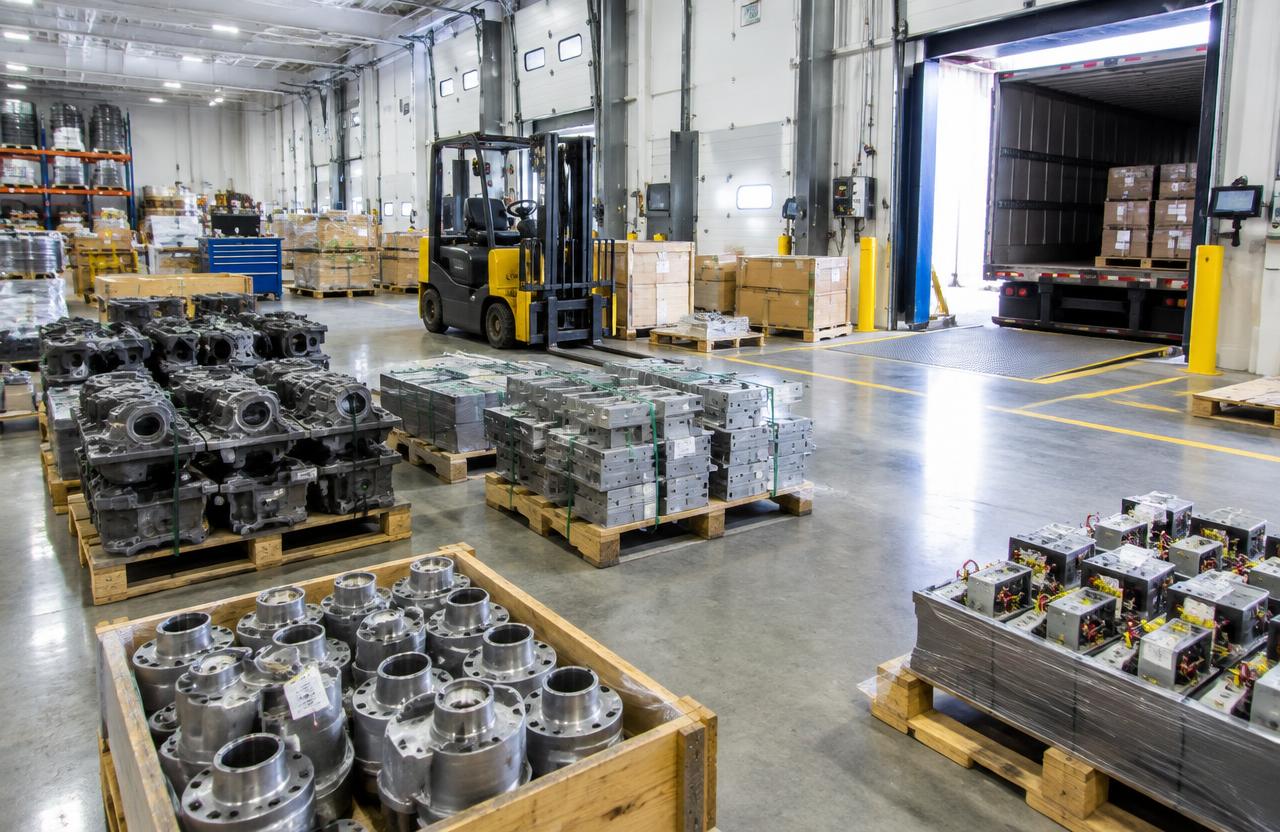 Industrial Manufacturing
Industrial manufacturer
Moving to a center-led strategic sourcing organization to drive collaboration and release cash
Released $51M in cash.
Read the client story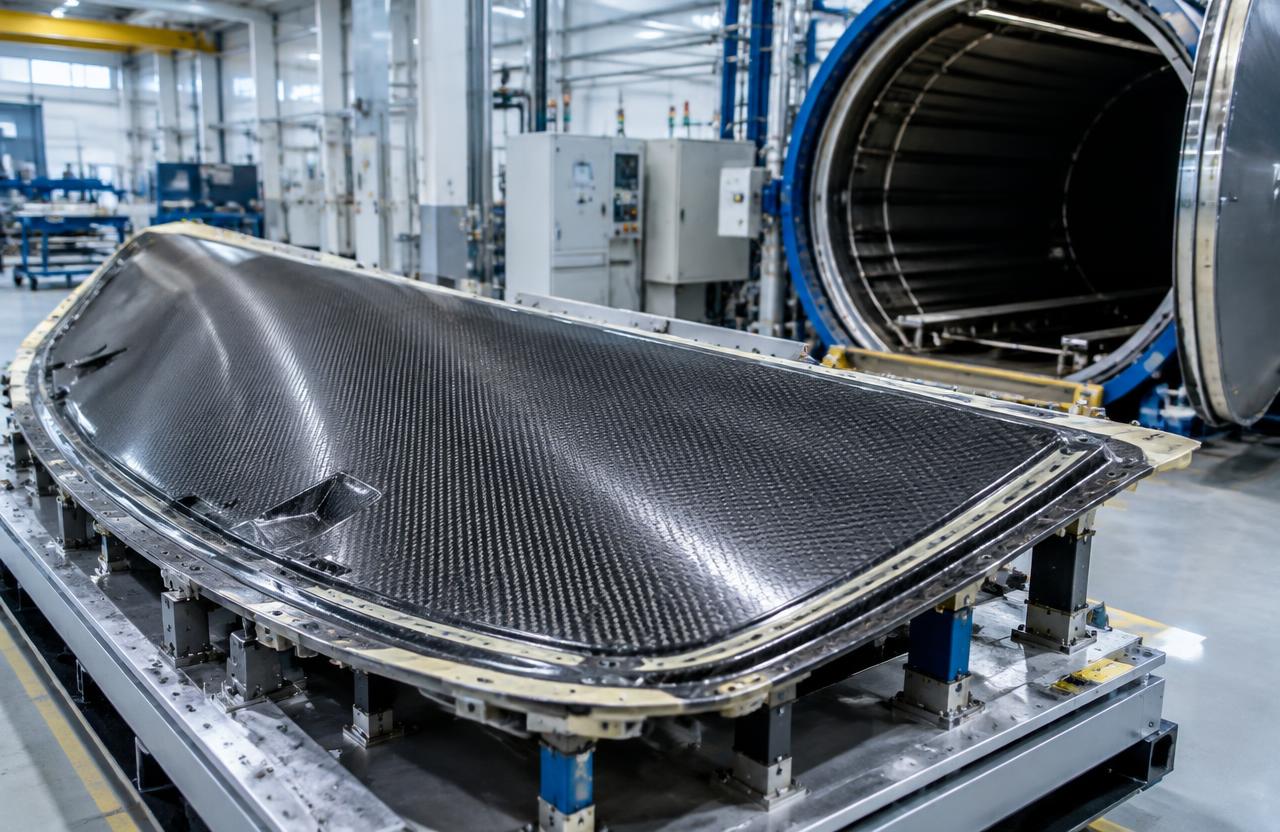 Aerospace & Defense
Composite parts carve-out
Productivity, organizational and procurement gains
Composite parts carve-out transformation.
Read the client story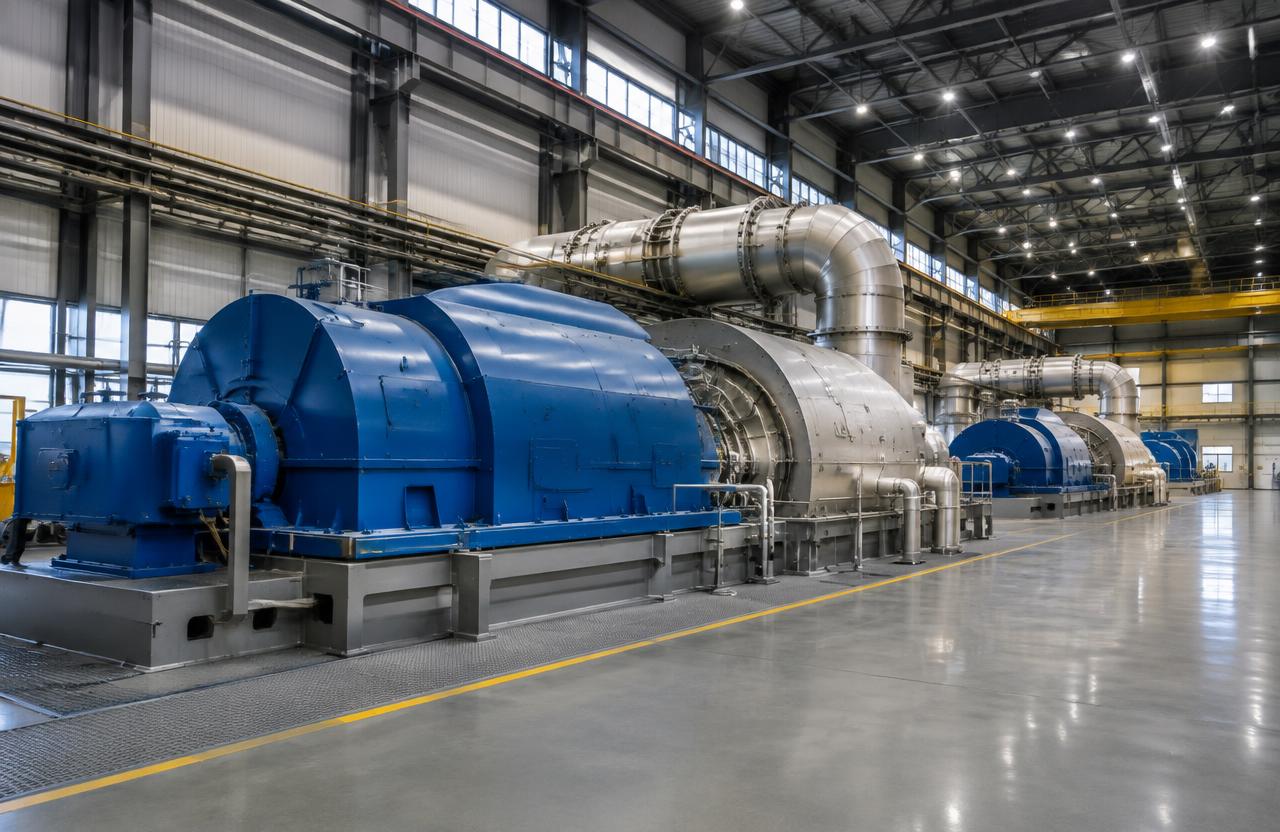 Energy
 company
One of the largest turnarounds in a plant’s history
Just three months away from the start of the largest shutdown in the history of a strategic production asset, the company made the difficult decision to terminate its general contractor.
Read the client story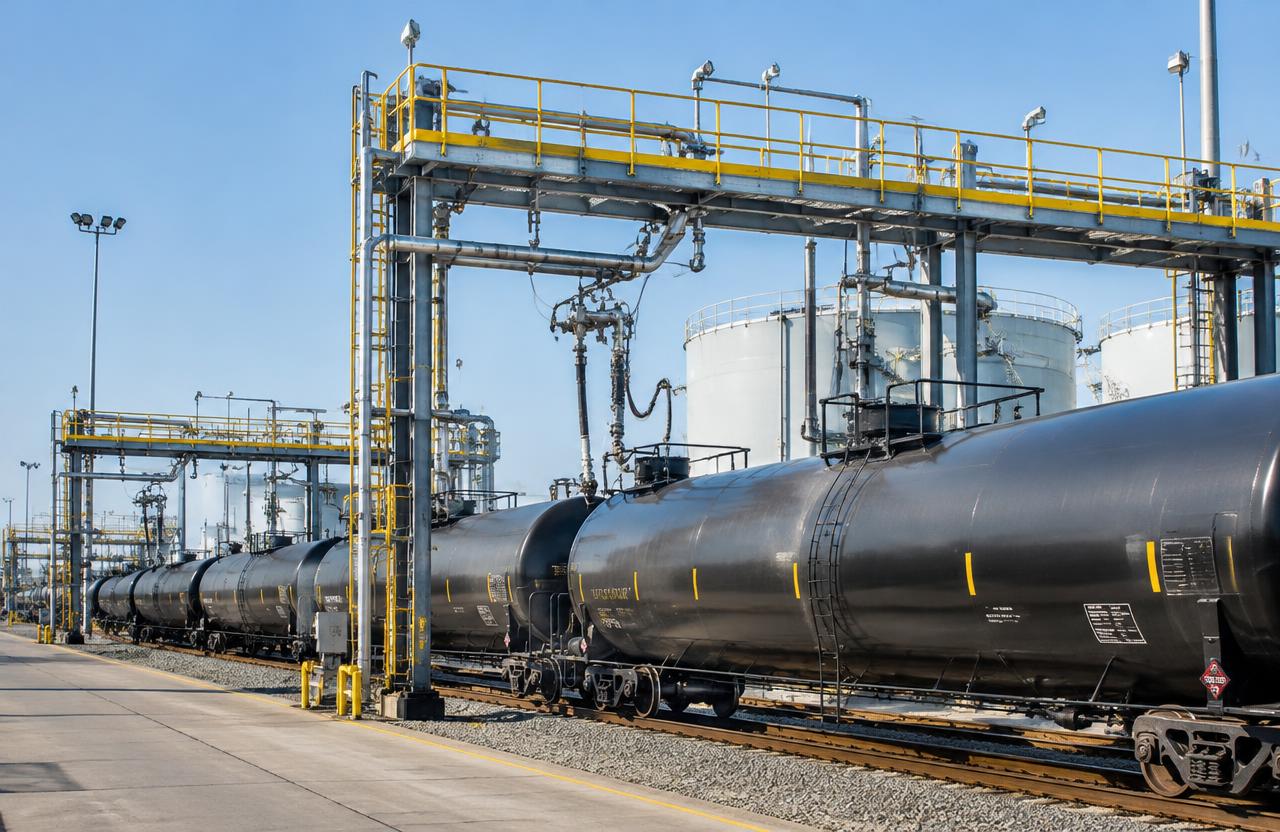 Energy
 company
Establishing a zero-risk rail and loading safety culture
The operating partner in a midstream joint venture was concerned about rail safety procedures at a plant commissioned in 2013.
Read the client storyRequest an Organization Health Check.
Tell us about your organization. A partner will come back to you within one business day.
Request an Organization Health Check