

Industries / Chemicals
Chemical Industry Consulting
Protect chemistry. Release value.
Safe, reliable production comes down to decisions like this one: when does a longer campaign justify carrying more inventory? Longer runs mean fewer cleanouts and steadier yield, but they tie up cash and risk stock the market no longer wants. Maine Pointe provides chemical industry consulting and chemical manufacturing consulting that puts numbers on that trade-off, grade by grade, using Total Value Optimization™ (TVO™).
$125MEBITDA improvement and $150M in cash for a global specialty chemicals company across four divisions
11%Reduced spend by 11% at a specialty chemical manufacturer through better sourcing and spend visibility
In short
Maine Pointe is a chemical industry consulting firm that improves EBITDA and cash across feedstock, campaigns, assets and freight. We put grade margins on top of the asset constraint map so leaders know which change releases the most value first. The first step is the Chemicals Value Assessment.
Trusted by chemicals leaders.
A selection of the chemicals companies we have served.












If you're the CEO
Protect specialty margins while choosing where to invest in growth.
If you're the COO
Align asset reliability, campaign planning and customer service without compromising process safety.
If you're the Private equity operating partner
Validate procurement, reliability and working-capital opportunities against cash and earnings.
What's changing in chemicals
Where chemical product margins leak
Strategy sets the ambition. Supply chain and operations decide whether it shows up in EBITDA, cash and growth. This is Total Value Optimization™ applied to your sector.
Uneven demand recovery
In 2026, specialty producers must distinguish customer destocking from lasting changes in end-market demand before rebuilding inventory.
Feedstock and energy mismatch
Purchase formulas, utility exposure and customer price-reset dates can move on different clocks, leaving margins exposed between resets.
Asset availability versus spending
Deferred work can constrain saleable output, but maintenance priorities must reflect process safety, equipment criticality and actual growth demand.
Qualification and service complexity
Customer-specific specifications, packaging and approvals limit interchangeability and make small orders more expensive than standard costing suggests.
Illustrative example
Follow one grade from feedstock price to delivered margin
A grade can look profitable on its price list and still lose money once it reaches the customer. Follow one grade through the chemical supply chain and the leaks show up.
01 / Feedstock price
The grade is costed on the contracted feedstock price, but indexed inputs move before customer prices reset.
02 / Yield
Off-spec material and transitions mean less saleable product per tonne of feedstock than the plan assumed.
03 / Energy
Longer reaction times or reprocessing use more energy than the standard cost allocates to this grade.
04 / Freight
Small, urgent or distant shipments add delivery cost that is rarely charged back. What remains is the real delivered margin.
Where the value sits
Chemical supply chain decisions that protect contribution
Plan
Plan campaigns around contribution
Connect demand scenarios, product compatibility, shelf life and bottleneck availability.
Buy
Buy on usable economics
Compare feedstock specifications, indexed terms, energy exposure and qualified alternatives.
Make
Make reliable, saleable output
Align yield, changeovers and maintenance with quality release and process-safety requirements.
Move
Move within real constraints
Plan bulk tanks, railcars, hazardous-material requirements and cleaning capacity together.
Fulfill
Fulfill at true cost to serve
Connect order size, packaging, documentation, freight terms and invoice accuracy.
What sets the best run size
Cleaning time
Every changeover between grades costs line hours and material. Longer campaigns spread that cost, until the inventory they create costs more.
Indexed inputs
When feedstock is priced on an index, building stock locks in today's cost. That can help or hurt margin depending on where prices go next.
Delivery commitments
Customer lead times and service terms set how long you can wait between campaigns before you miss an order.
The best run size balances all three. Optimizing for one alone usually moves the cost somewhere else.
Your entry point
Chemicals Value Assessment
Start with a shared operating baseline and a prioritized set of decisions, not a disconnected savings target.
Request the Chemicals Value AssessmentMargin-to-cash baseline. Connect feedstock, yield, campaign cost, freight and invoice terms by product family.
Asset constraint map. Identify reliability, qualification and logistics limits on profitable output.
Prioritized action portfolio. Assign owners to commercial, procurement and operating changes with safety gates.
Value validation plan. Define baseline adjustments, cash measures and finance approval for realized benefits.
Illustrative example
Which intervention releases cash?
Grade margins
Rank each grade by delivered margin after yield, energy and freight, not list price.
Asset constraint map
Show which reactor, line or packaging step limits output, and which grades consume most of its time.
Intervention
Combine the two to see whether cash comes from resizing campaigns, cutting inventory, repricing a grade or fixing the constraint.
Putting grade margins on top of the constraint map shows which change releases the most cash first.
Combined Intelligence / Human-led. AI-enabled.
Finding margin leakage by chemical grade
Through Maine Pointe's Combined Intelligence model, experienced operators and governed AI work side by side. Your people make the final call, and the TVO Control Tower™ keeps the gains visible after we leave.
Illustrative example
The team validates an apparent margin loss
01
AI flags a grade whose margin has dropped well below its plan over recent months.
02
The team checks the flag against actual yield records to see whether more feedstock went into each tonne sold.
03
They compare energy allocation and shipment records to separate a real loss from a costing or freight artifact.
04
The commercial and operations leaders decide whether to reprice, resize campaigns or fix the process. The decision and its owner are recorded.
01 / Margin signals
Find product-level leakage
Maine Pointe's Combined Intelligence model can reconcile feedstock, yield and invoice exceptions for investigation. The commercial and finance leaders approve price or terms changes; the approach is human-led, AI-enabled.
02 / Asset signals
Prioritize reliability investigation
AI can combine historian events and work orders to flag repeat losses. Reliability engineers validate the failure mechanism, and the site leader approves work through existing safety controls.
03 / Campaign signals
Test feasible production choices
AI can compare campaign sequences against tank, cleaning and demand constraints. The production planner makes the final scheduling decision; a TVO Control Tower™ can support exception review.
Featured success stories / Chemicals
Client results and related reading
 Chemicals
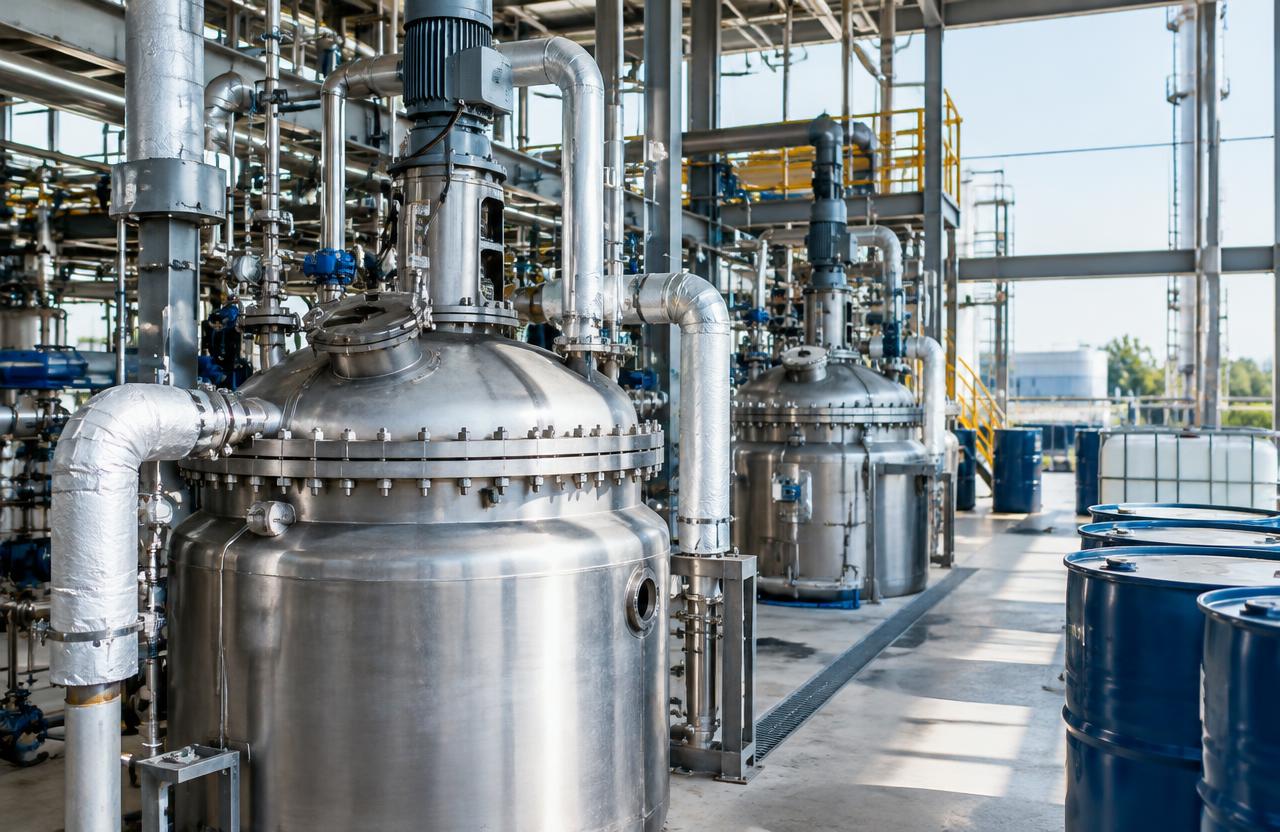
Tier-1 specialty chemicals manufacturer
$125M EBITDA and $150M cash across four divisions
Procurement transformation across 14 plants and 3 continents.
Read the client story Industrial Manufacturing
Industrial manufacturer
Reaching refinance and exit goals by reducing costs and optimizing the supply chain
Improved profitability by 10%.
Read the client story Energy
 company
Breaking supplier dependency to drive substantial cost savings
43% savings on procurement spend.
Read the client story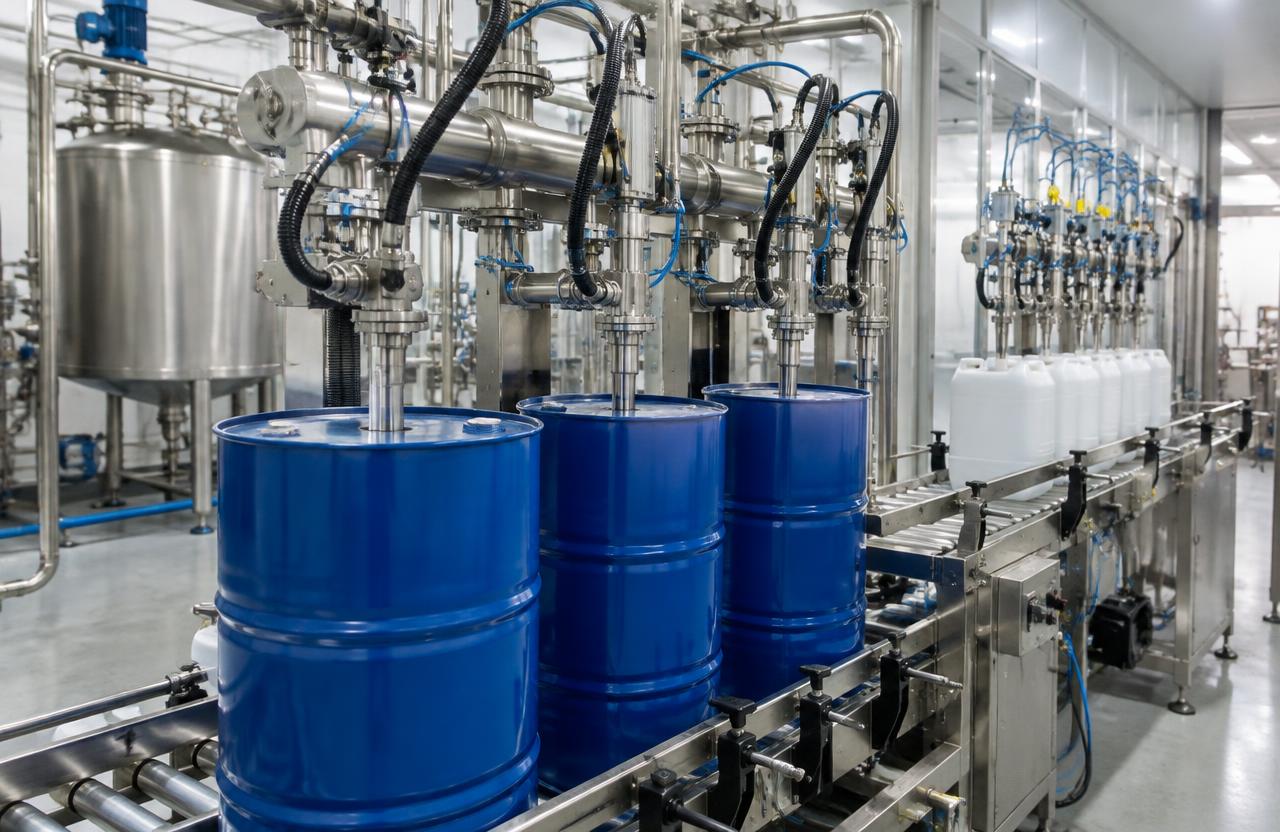 Chemicals
 company
Creating significant pre-exit valuation multiples for a PE firm
Delivered an average of 15% sustainable savings on $29M in raw material and packaging spend across 20+ categories.
Read the client story Chemicals
 company
Improving competitiveness and profitability with executive decision support tools
Positioned the client to generate logistics savings of about $2 million for Initiation Systems, equaling 6% to 8% of total logistics spend.
Read the client story Chemicals
 company
Using strategic procurement to reduce spend when demand falls
Saved $35M in year 1 procurement.
Read the client storyInsights / Chemicals
Thinking for chemicals leaders.
Chemicals
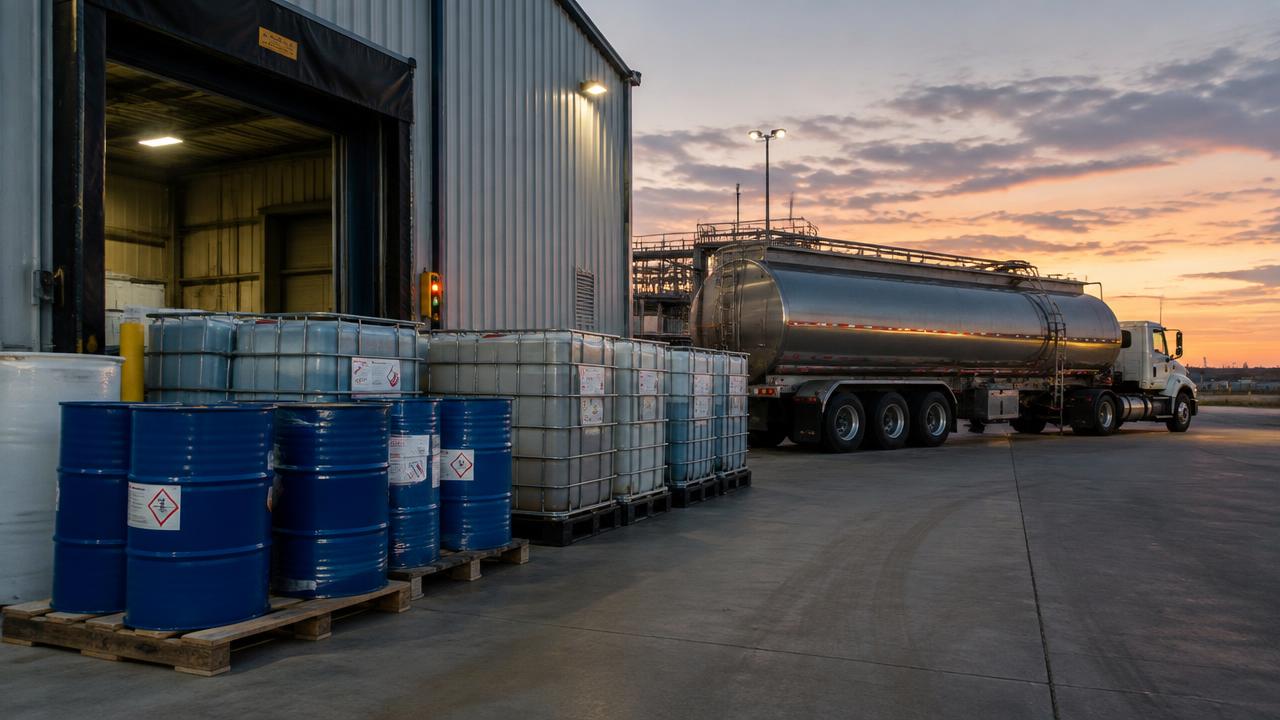
Specialty chemicals margin: where it leaks between feedstock and invoice
Look beyond purchase price to the operating and commercial decisions that determine realized contribution.
Read article · 4 min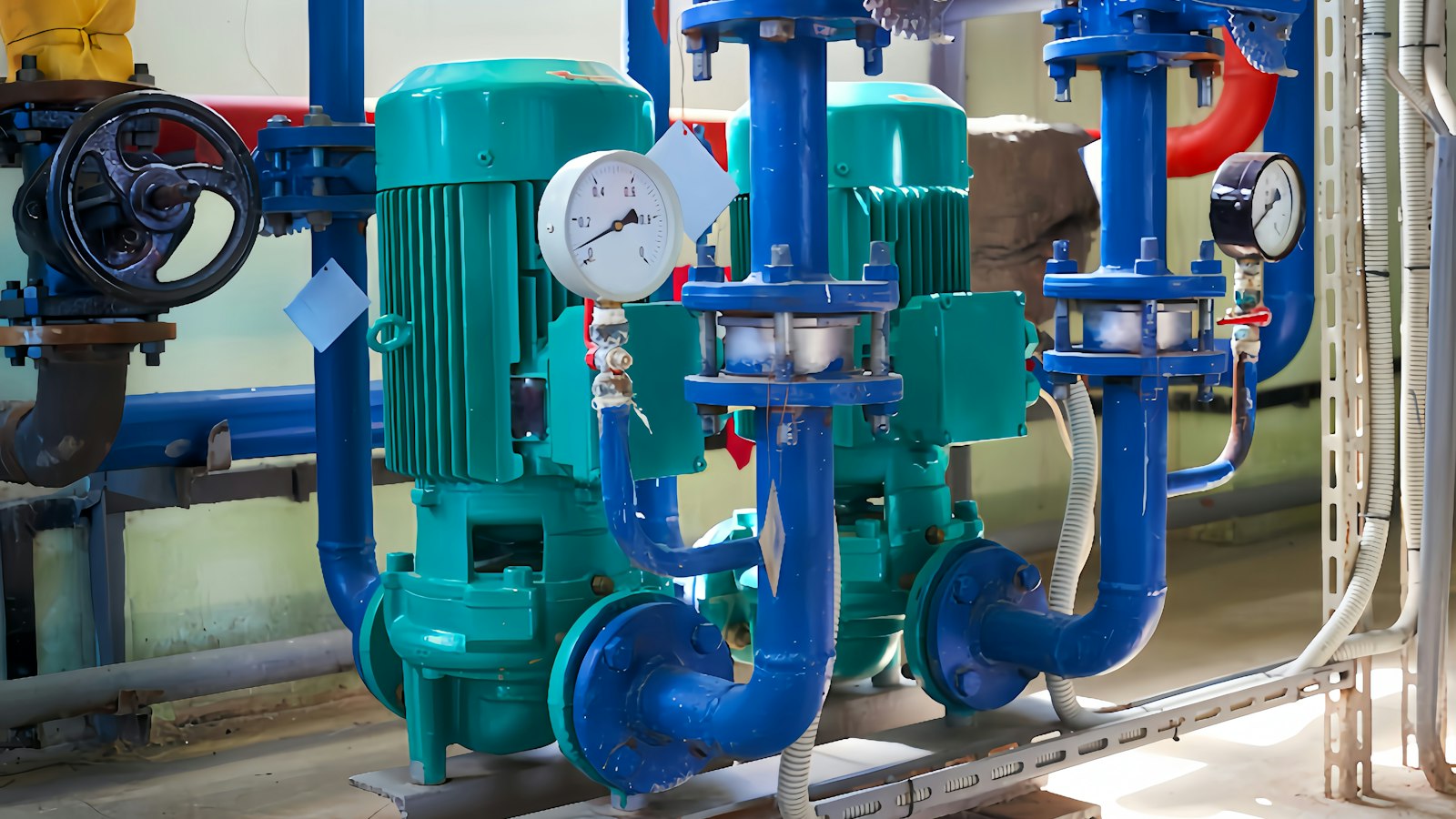
Chemicals
Reliability first: running chemical assets for growth
Turn market opportunity into dependable, saleable output before committing to more capacity.
Read article · 4 min
Chemicals
Survival of the Fittest: Weathering Downturns in the Chemical Industry
What separated the chemicals winners of 2009, 2015 and 2020 from everyone else.
Read article · 7 minYour questions, answered
Frequently Asked Questions
What does a chemicals consulting firm do?
A chemicals consulting firm connects feedstock procurement, campaign planning, asset reliability and customer fulfillment to margin and cash. Maine Pointe helps leaders find cross-functional losses and implement changes while respecting process safety and product qualification.
Where does specialty chemicals margin leak?
Compare contracted feedstock with what was actually consumed, planned yield with saleable yield, and invoiced margin with delivered cost. The gaps between each pair show where margin leaks, grade by grade.
How can chemical manufacturers improve asset reliability?
Prioritize equipment by safety, environmental risk and its effect on saleable throughput. Validate failure causes, improve work execution and plan maintenance around real operating constraints rather than blanket spending cuts.
Should chemical producers build inventory ahead of growth?
Only when demand evidence, shelf life, tank availability and expected asset constraints justify the cash commitment. Separate customer-backed inventory from speculative production intended merely to absorb fixed cost.
What does a Chemicals Value Assessment include?
It establishes margin-to-cash economics, maps asset and supply constraints, prioritizes actions and sets finance validation rules. Safety and qualification requirements remain gates for implementation.
How can AI support chemical operations safely?
AI can highlight margin exceptions, recurring equipment losses and campaign alternatives. Qualified people validate recommendations and retain approval; analytics do not bypass process-safety reviews or management of change.
What results do chemicals consulting engagements deliver?
Chemicals consulting engagements are judged on measured EBITDA, cost and cash results. Published results include $125M in EBITDA improvement and $150M in cash for a global specialty chemicals company across four divisions. Results vary by starting point, so the Chemicals Value Assessment sizes your opportunity before work begins.
How long does a chemicals improvement program take?
A chemicals improvement program starts with the Chemicals Value Assessment, which takes weeks rather than months. Implementation is phased by priority, so first savings are tracked as they land while larger changes continue over the following months.
How do you choose a chemicals consulting firm?
To choose a chemicals consulting firm, look for published results in your sector, people who implement alongside your teams rather than only advising, and fees tied to measured outcomes. Maine Pointe has completed 550+ engagements since 2004 and offers guaranteed performance.
Your next step / Chemicals Value Assessment
Make performance hold under pressure.
Guaranteed performance. Commercial terms agreed with each client.
Request the Chemicals Value Assessment