

Industries / Distribution
Distribution Consulting for Wholesale Networks
Be available. Stay profitable.
A customer needs an item tomorrow. The branch leader can stock it locally, transfer it from another branch or order it from the supplier, and each choice carries a different cost and a different promise. Maine Pointe provides distribution consulting, wholesale distribution consulting and distribution optimization that connects customer promises, purchasing, branch inventory and delivery economics so growth supports margin and cash.
20%Lower operating costs for a sports products distributor after velocity-based re-slotting cut inventory touches from five to three
In short
Maine Pointe provides distribution consulting that lowers cost to serve while protecting fill rates. We work across inventory, warehouse flow, transportation and supplier terms so distributors earn more on every order they ship. The first step is the Distribution Value Assessment.
Trusted by distribution leaders.
A selection of the distribution companies we have served.









If you're the CEO
Build profitable customer growth around explicit service promises and network economics.
If you're the COO
Align branch inventory, purchasing and delivery decisions with actual customer requirements.
If you're the Private equity operating partner
Make branch and acquisition performance comparable without hiding local service economics.
What's changing in distribution
When availability costs more than the order earns
Strategy sets the ambition. Supply chain and operations decide whether it shows up in EBITDA, cash and growth. This is Total Value Optimization™ applied to your sector.
Availability is a network decision
Customers expect dependable access to critical parts, but stocking every item at every branch ties up cash. Define which promises require local stock.
Order patterns obscure profitability
Small orders, emergency deliveries and special handling can consume gross margin. Customer economics need transaction-level operating evidence.
Supplier terms can distort buying
Rebates and volume thresholds can reward purchases the network does not need. In 2026, sourcing uncertainty makes landed cost and inventory exposure essential checks.
Branch growth fragments control
Acquisitions and local workarounds create duplicate item records, inconsistent replenishment rules and conflicting service promises across the network.
Illustrative example
Design the network around where supply and demand sit
Where a company's suppliers, production, warehouses and customers sit sets the service level it can offer and the cost to serve each customer. Choosing the right locations and modes of transport is what raises service and margin together.
01 / Map the positions
Plot suppliers, production sites, branch and hub locations and customer demand against the service each customer is promised.
02 / Cost to serve
Add handling, storage and transport cost to each lane so service level and cost to serve appear side by side.
03 / Locations and modes
Test stocking points and transport modes against the same orders: central stock, branch stock, supplier direct, and the mode that carries them.
04 / Choose the network
Select the locations and modes that meet the promise at the lowest total cost, then set the stocking and routing rules that hold it.
Where the value sits
Wholesale distribution: where to stock and how to fulfill
Plan
Plan by service requirement
Translate customer criticality and replenishment variability into differentiated stocking and service policies.
Buy
Buy beyond the rebate
Balance supplier terms, minimum quantities, inbound reliability and inventory carrying exposure.
Make
Control value-added work
Cost kitting, cutting, assembly and other branch services explicitly; schedule work around delivery commitments.
Move
Design the transfer network
Compare central stocking, branch transfers, supplier direct shipment and local delivery on full economics.
Fulfill
Keep profitable promises
Make order minimums, delivery frequencies, emergency service and returns policies clear to customers and branches.
Rebates, holding cost and transfers against the delivery promise
Buy for the rebate
Volume rebates lower unit cost, but extra stock adds holding cost and may sit at the wrong branch.
Hold more locally
Local stock protects the delivery promise, but multiplies inventory across the network.
Transfer on demand
Transfers use stock already in the network, but add handling, freight and time to every order.
The right mix depends on which customers need which promise. A rebate that forces regular transfers can cost more than it saves.
Your entry point
Distribution Value Assessment
Start with a shared view of service, margin and cash. Agree where intervention is justified before committing resources.
Request the Distribution Value AssessmentCustomer economics baseline. Connect order patterns and service activities to contribution after cost to serve.
Inventory policy map. Identify local, regional and supplier-backed availability requirements by item family.
Network option comparison. Test branch transfers, central stock and direct shipment against customer promises.
Action and control plan. Agree owners, financial validation and exception rules for implementation.
Illustrative example
Setting a stocking policy by customer
Order lines
What each customer actually orders, how often and how urgently.
Branch transfers
Which items move between branches, how often and at what cost.
Service commitments
The delivery promise each customer segment has been given, and whether it is kept.
Together they show which items each branch should stock, which belong at a hub and which should come direct from the supplier.
Combined Intelligence / Human-led. AI-enabled.
Spotting stock and service exceptions across branches
Through Maine Pointe's Combined Intelligence model, experienced operators and governed AI work side by side. Your people make the final call, and the TVO Control Tower™ keeps the gains visible after we leave.
Illustrative example
A network planner weighs a transfer before the next expedite
01
AI flags one branch holding excess stock of an item while another branch routinely pays expedite fees for it.
02
The network planner checks demand at both branches and the cost and timing of a transfer.
03
Branch leaders confirm the overstocked branch can release the stock without risking its own customers.
04
The planner approves the transfer and adjusts the stocking policy so the expedites stop. The decision and owner are recorded.
01 / Customer economics
Find expensive service exceptions
Maine Pointe's Combined Intelligence model flags order patterns that consume contribution. Sales leaders make final pricing and service decisions with finance.
02 / Inventory placement
Propose network stocking changes
Human-led, AI-enabled analysis evaluates intermittent demand and substitution options. Inventory leaders approve final stocking policies and critical-item exceptions.
03 / Network execution
Investigate fulfillment risks
The TVO Control Tower™ can connect late inbound orders, branch shortages and transfer demand. Network managers make the final allocation and routing decisions.
Featured success stories / Distribution
Client results and related reading
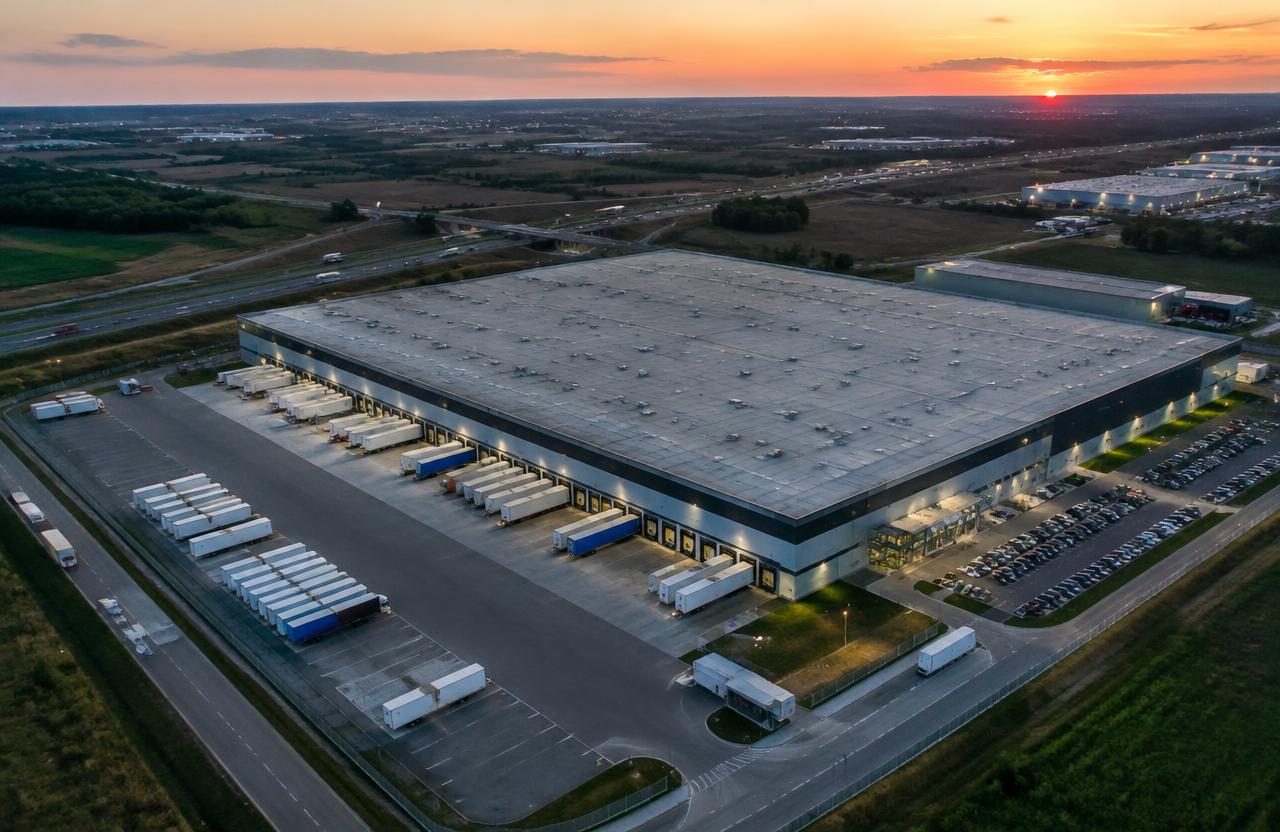 Consumer Goods & Packaging
Consumer goods & packaging company
Optimizing distribution center network to lower operational costs and improve on-time fulfillment
$11M in annualized benefits.
Read the client story Energy
 company
Breaking supplier dependency to drive substantial cost savings
43% savings on procurement spend.
Read the client story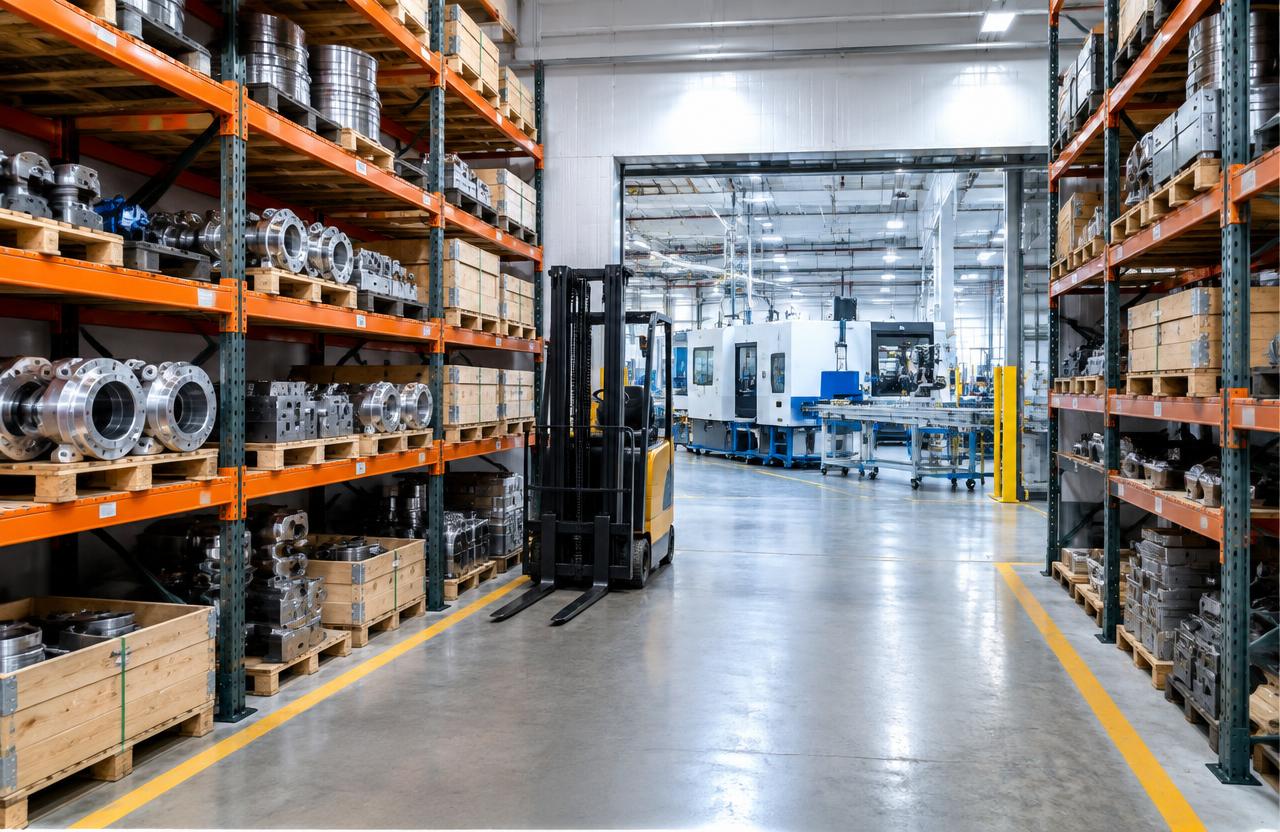 Private Capital
Portfolio company
Realigning cost strategies to the realities of the marketplace
$54M in benefits, with $27.7M improvement in profits through warehouse and distribution operations ($17.7M via productivity increases) and transportation ($10M via outbound fleet route and LTL sourcing solutions).
Read the client story Consumer Goods & Packaging
Consumer goods & packaging company
Reinforcing procurement staff while transforming eleven multiple entities into one unified supply chain
Improved profitability by 20%.
Read the client story Distribution
Paper distribution company
Generating significant measurable cost savings in a challenging market
Generated 11% cost savings on largest growth category for the business.
Read the client story Chemicals & Specialty Materials
Chemicals & specialty materials company
Forecasting, inventory, warehousing, and logistics
Maine Pointe helped our client achieve the following results in a challenging environment.
Read the client storyInsights / Distribution
Thinking for distribution leaders.
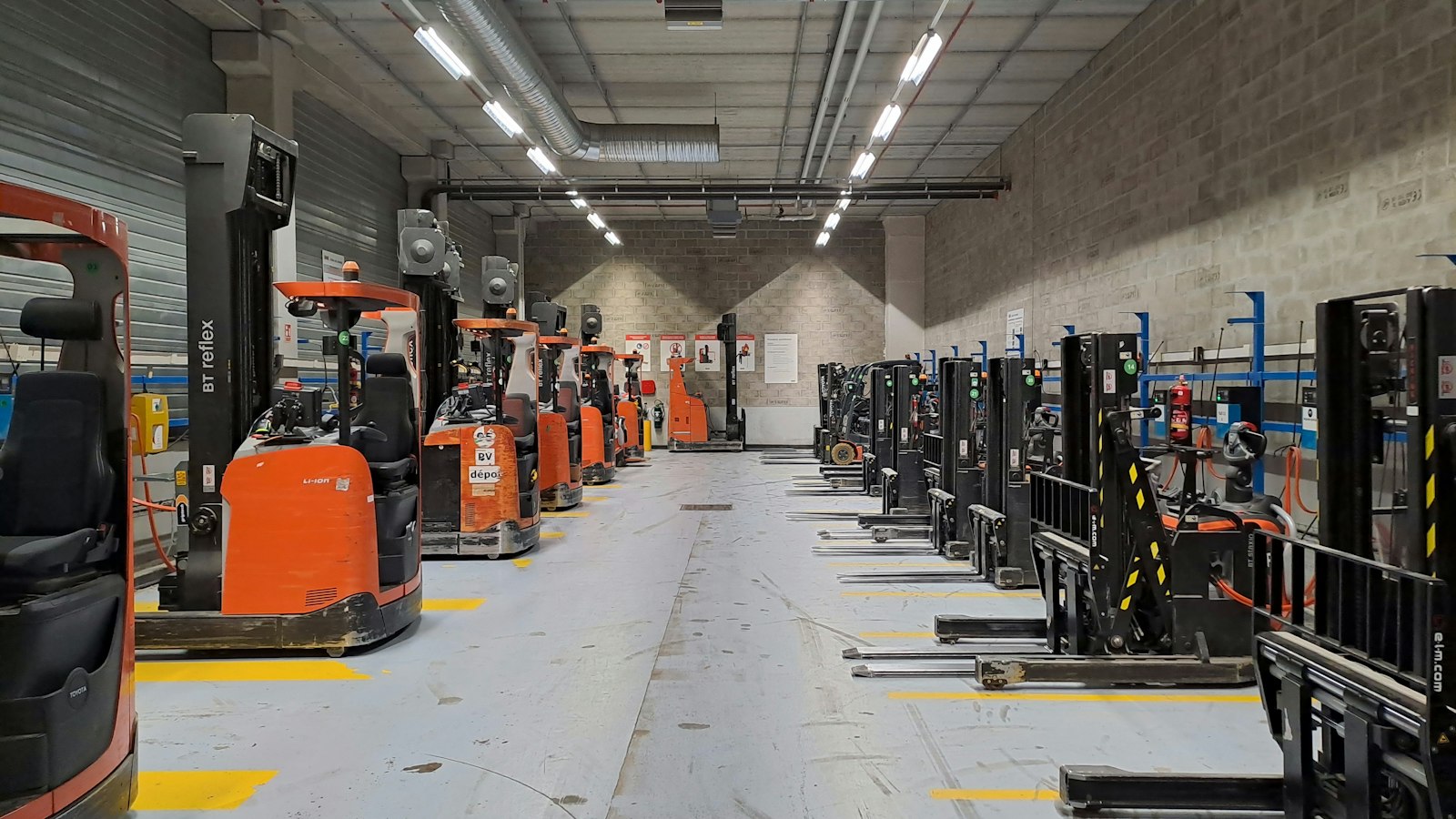
Distribution
Cost to serve: which customers really make distributors money
Look beyond gross margin before changing customer pricing or service.
Read article · 4 min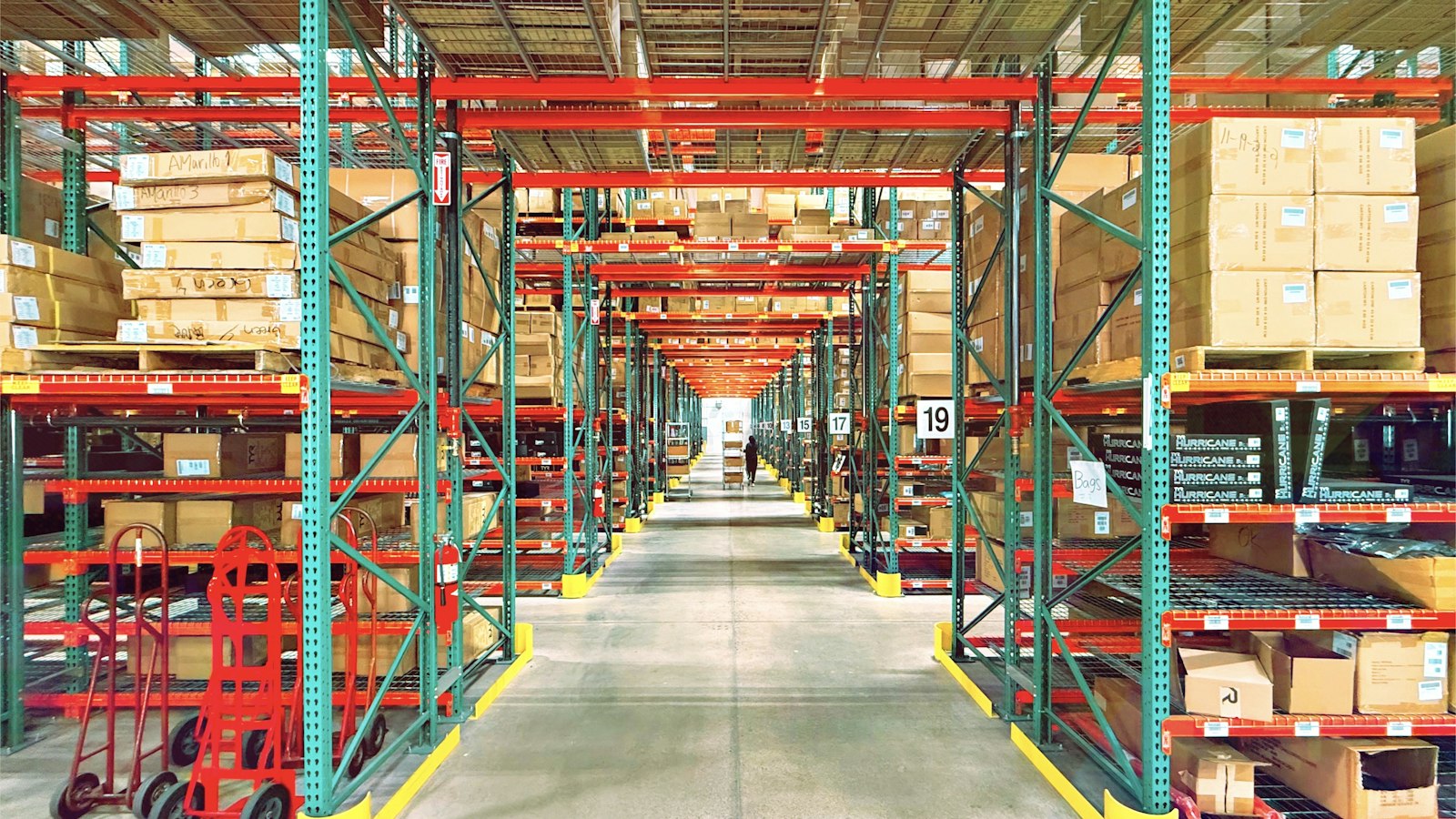
Distribution
Availability without the bloat: inventory strategy for distributors
Design a credible customer promise before deciding where every item belongs.
Read article · 4 min
Operations
The ABCs of Efficiency: How Smart Inventory Control Transforms Warehouses
Why segmented inventory policies still beat blanket safety stock — and what AI changes about the math.
Read article · 6 minYour questions, answered
Frequently Asked Questions
What do distribution consulting services include?
Distribution consulting services help industrial and wholesale distributors align purchasing, inventory, warehouse operations and delivery with profitable customer service. Maine Pointe connects operating changes to finance-reviewed margin and cash opportunities.
How should distributors measure cost to serve?
Start with order-level activities such as picking, packing, delivery, transfers, returns and credit handling. Assign costs using observable drivers, separate avoidable costs from shared capacity, and review the result with branch and sales leaders.
How can distributors improve availability without more inventory?
Define availability by customer need, not just stock on hand. Correct inventory records, improve replenishment reliability, pool suitable stock across the network and set realistic transfer or direct-shipment promises.
Should every branch stock the same products?
No. Compare three options for each item: local branch stock, hub inventory and supplier-backed supply. Use local demand, replenishment lead time and transfer cost to decide. Fast-moving or urgent items justify local stock; slower items often belong at a hub or with a qualified supplier.
How do supplier rebates affect inventory decisions?
A rebate may improve purchase economics while increasing cash tied up in slow stock. Compare the incremental benefit with carrying costs, obsolescence exposure and the demand needed to consume the purchase.
How does TVO™ apply to distribution networks?
Total Value Optimization™ (TVO™), links procurement, operations and logistics to enterprise value. A distributor can use it to test customer service, buying terms, inventory placement and network costs together.
Who makes AI-supported operating decisions?
Maine Pointe's Combined Intelligence model is human-led and AI-enabled. Maine Pointe Atlas supports knowledge access, while business owners validate assumptions and retain final authority over purchasing, inventory and customer commitments.
What results do distribution consulting engagements deliver?
Distribution consulting engagements are judged on measured EBITDA, cost and cash results. Published results include 20% lower operating costs for a sports products distributor after re-slotting cut inventory touches from five to three. Results vary by starting point, so the Distribution Value Assessment sizes your opportunity before work begins.
How long does a distribution improvement program take?
A distribution improvement program starts with the Distribution Value Assessment, which takes weeks rather than months. Implementation is phased by priority, so first savings are tracked as they land while larger changes continue over the following months.
How do you choose a distribution consulting firm?
To choose a distribution consulting firm, look for published results in your sector, people who implement alongside your teams rather than only advising, and fees tied to measured outcomes. Maine Pointe has completed 550+ engagements since 2004 and offers guaranteed performance.
Your next step / Distribution Value Assessment
Make service earn its place.
Guaranteed performance. Commercial terms agreed with each client.
Request the Distribution Value Assessment