
Industries / Consumer Goods & Packaging
CPG & Packaging Consulting for Consumer Goods
Grow the business. Not the complexity.
A consumer packaged goods (CPG) brand has limited stock, a widening pack portfolio and three channels asking for it. Where it goes decides service levels, retailer relationships and margin for the quarter. Maine Pointe provides consumer goods and packaging consulting that connects assortment, pack specifications, material costs, warehousing and transportation to the capacity you actually have to serve each customer.
$2MNorth American packaging material cost removed at a retail manufacturer, after redesigning packaging to lift packing-machine reliability to 100%
24%Saved on the targeted chemicals category for a personal care and beauty contract manufacturer, with over $3.6M of working capital released
In short
Maine Pointe provides consumer goods and packaging consulting that ties growth to the cost of serving it. We measure what promotions, pack variety and channel service really cost across sourcing, packaging, plants and distribution, then fix what erodes margin. The first step is the Consumer Growth Value Assessment.
Trusted by consumer goods & packaging leaders.
A selection of the consumer goods & packaging companies we have served.












If you're the CEO
Grow the portfolio without letting complexity consume contribution and cash.
If you're the COO
Connect pack and SKU decisions to supplier, line, warehouse and transport capacity.
If you're the Private equity operating partner
Separate repeatable operating gains from temporary inventory releases and one-off material savings.
What's changing in consumer goods & packaging
When pack and SKU growth outruns margin
Strategy sets the ambition. Supply chain and operations decide whether it shows up in EBITDA, cash and growth. This is Total Value Optimization™ applied to your sector.
Assortments outrun capacity
Channel-exclusive packs and short product cycles add changeovers, packaging commitments and stranded stock. Evaluate each addition against its operational burden.
Warehouse and transport costs creep up
More SKUs mean more pick faces, more touches and more part loads. Storage, handling and freight rise quietly unless pack, pallet and network decisions are made together.
Packaging and material costs stay unsettled
Resin, paperboard, glass and film move with indexed prices, and in 2026 tariff uncertainty complicates landed-cost decisions. Qualify alternatives before changing an ingredient, pack format or origin.
Capacity runs out before demand does
Packaging lines, co-packers and warehouses hit their limits through changeovers, short runs and rejects. Recovering lost capacity is often cheaper than adding more.
Illustrative example
What one more pack variant really costs
The unit cost on the quote
A new size, count or format is approved on its material price and expected volume.
The capacity it consumes
Each variant adds changeovers, line setups and short runs that take time from core items already running well.
The cost of storing and moving it
Extra pick faces, slow-moving pallets, part loads and unique packaging stock add warehouse and transport cost long after launch.
Count changeovers, material exposure and logistics cost against the volume, and many variants earn far less margin than planned.
Where the value sits
Packaging and supply chain decisions behind every new pack
Plan
Make the assortment executable
Reconcile demand, SKU count and launch plans with constrained line capacity and working capital.
Buy
Buy for landed economics
Align packaging specifications, supplier commitments and order quantities with channel-level demand.
Make
Protect productive capacity
Reduce avoidable changeovers and packaging losses while preserving quality and product safety requirements.
Move
Store and ship efficiently
Align slotting, pallet patterns, load building and carrier choice so warehousing and freight cost per case falls.
Fulfill
Keep the customer promise
Manage allocation, shelf life, retailer deductions and returns as part of the same service decision.
Illustrative example
Follow one pack from specification to retailer shelf
Consumer packaged goods consulting has to look past the unit price. Each step either protects or erodes the margin.
01 / Pack specification
Format, materials and case configuration set the material cost and how efficiently the pack runs and ships.
02 / Material buy
Resin, board, film and labels are bought against minimums and lead times, often unique to the variant.
03 / Line time
The pack takes its place on shared equipment, with changeovers, run rates and rejects deciding real capacity.
04 / Warehouse and transport
Pallet patterns, storage, picking and freight decide what it costs to get the product to each customer.
Your entry point
Consumer Growth Value Assessment
Start with a shared view of service, margin and cash. Agree where intervention is justified before committing resources.
Request the Consumer Growth Value AssessmentComplexity cost map. Identify where SKUs, packs and channel promises consume margin, capacity and cash.
Capacity and logistics review. Measure real line capacity and warehouse and transport cost by SKU, lane and customer.
Value opportunity register. Prioritize sourcing, inventory and fulfillment actions with finance-reviewed assumptions.
Execution ownership plan. Assign decision rights, measures and accountable owners across commercial and operations teams.
Illustrative example
Is this pack earning its place?
Item and material data
Actual pack cost, material minimums, line time, changeovers and rejects for each SKU.
Logistics data
Storage, handling touches, pallet and trailer utilization, and freight cost by item and lane.
Service data
Fill rates, retailer penalties and the impact on core items when capacity is tight.
Read together, the three show whether a SKU creates margin or just moves volume and cost, so portfolio decisions are built on evidence.
Combined Intelligence / Human-led. AI-enabled.
Testing pack, material and capacity decisions before they land
Through Maine Pointe's Combined Intelligence model, experienced operators and governed AI work side by side. Your people make the final call, and the TVO Control Tower™ keeps the gains visible after we leave.
Illustrative example
Operations and finance leads test a new pack variant before committing materials and line time
01
AI combines the proposed variant's material cost, run rate and changeover history with warehouse and freight data.
02
It flags that the variant would push a shared line past available capacity and add part-load shipments on two lanes.
03
Operations, logistics and finance leads review the trade-offs together, including alternative pack formats and case configurations.
04
They agree to launch a redesigned format that fits the existing line and pallet pattern. The decision and its owners are recorded.
01 / Assortment
Expose hidden complexity
Maine Pointe's Combined Intelligence model connects SKU economics with changeovers and inventory exposure. Category leaders make the final assortment decision.
02 / Materials
Track material cost exposure
Human-led, AI-enabled analysis links resin, board and film price movements to pack specifications and supplier terms. Procurement leaders approve the final sourcing decision.
03 / Logistics
Spot warehouse and freight leakage
The TVO Control Tower™ can surface part loads, excess touches and capacity exceptions. The logistics owner makes the final call on corrective action.
Featured success stories / Consumer Goods & Packaging
Client results and related reading
 Consumer Goods & Packaging
Consumer goods & packaging company
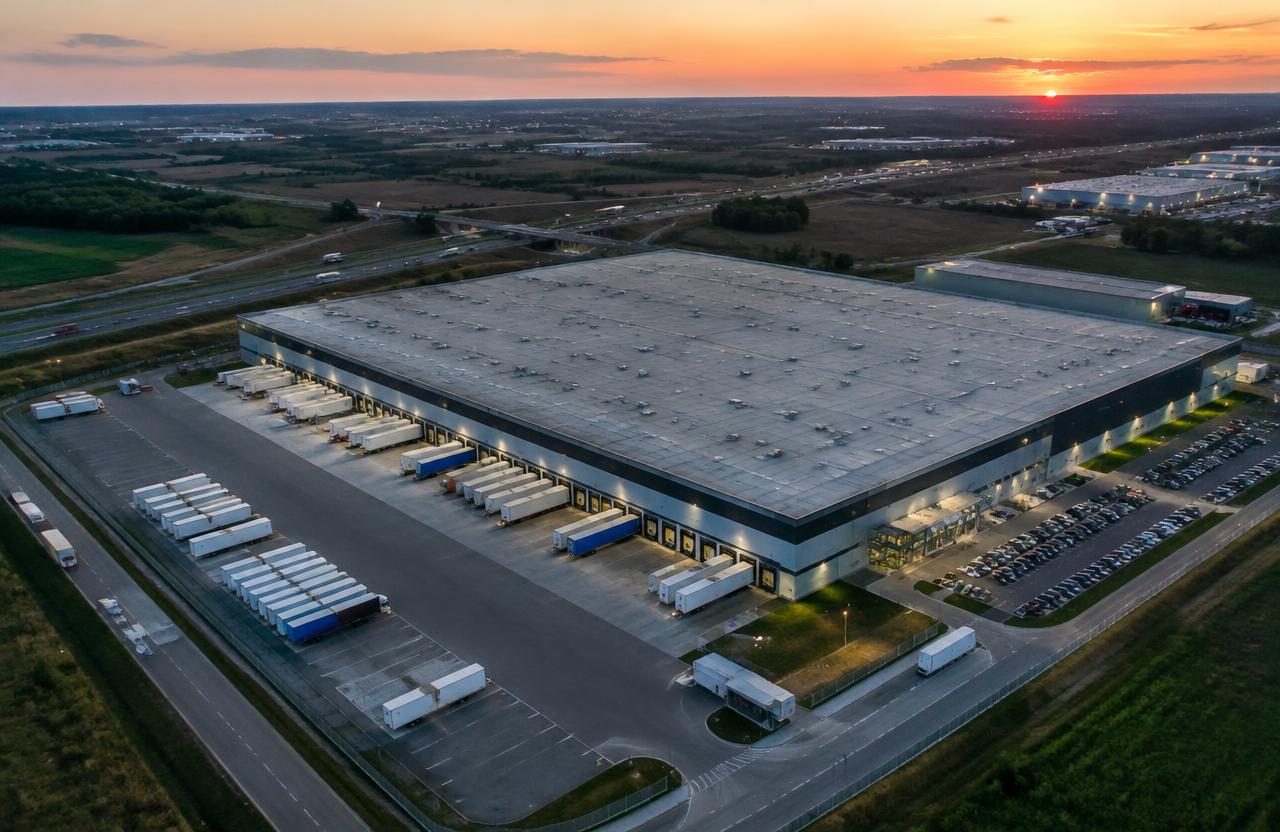
Optimizing distribution center network to lower operational costs and improve on-time fulfillment
$11M in annualized benefits.
Read the client story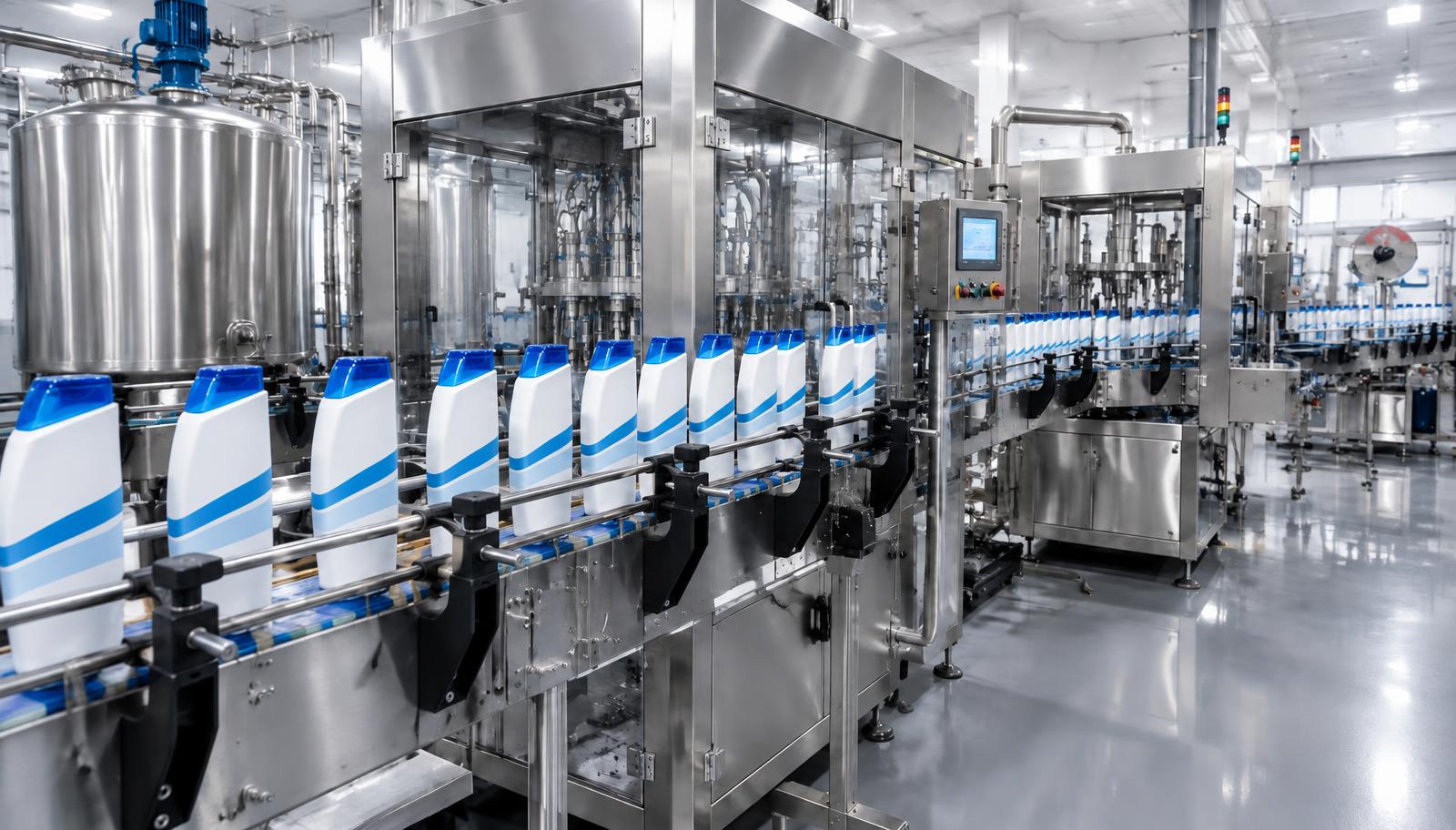 Consumer Goods & Packaging
Consumer goods & packaging company
Improving output while reducing labor, material, and unit costs
Reduced costs by more than $1.6M by sourcing glass from three countries.
Read the client story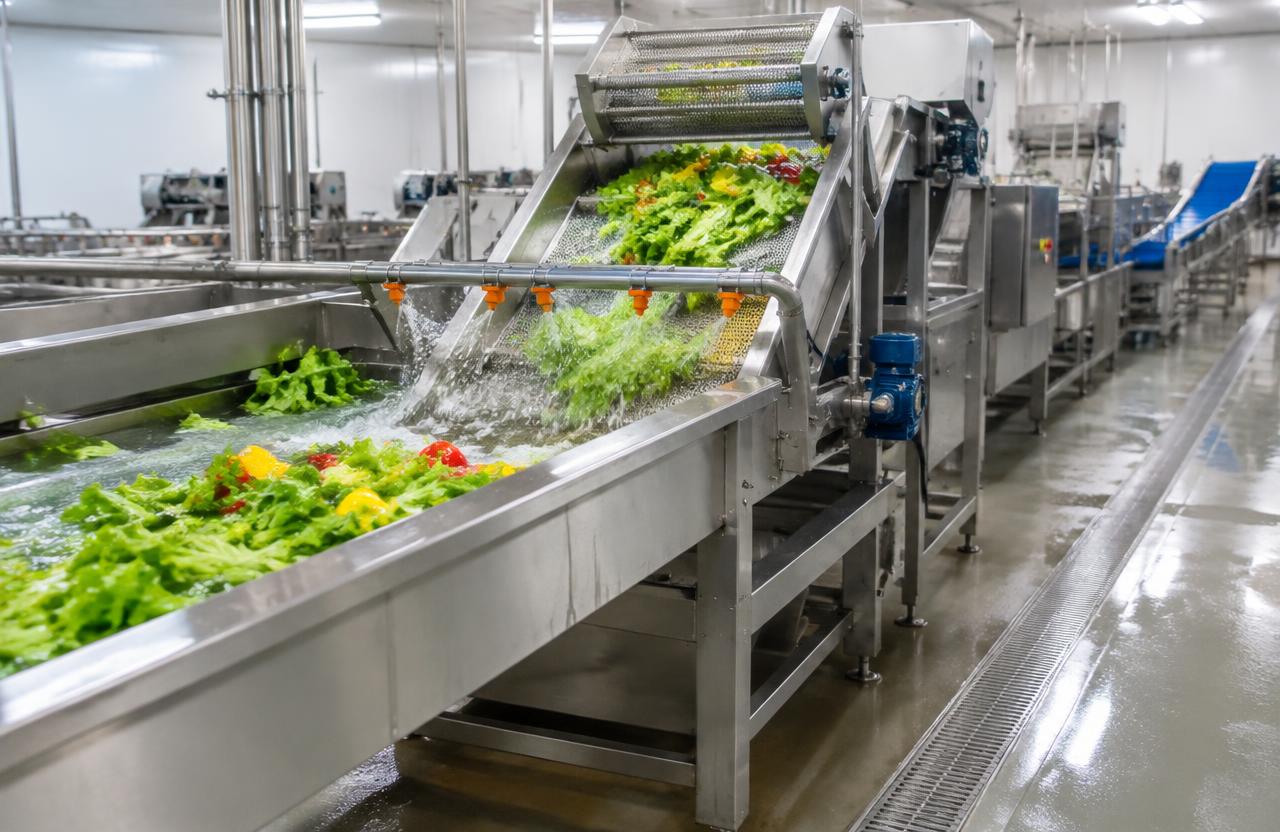 Agriculture & Food
Agriculture & food company
Providing optionality and risk mitigation for a sole-sourced supply chain
41% profitability improvement.
Read the client story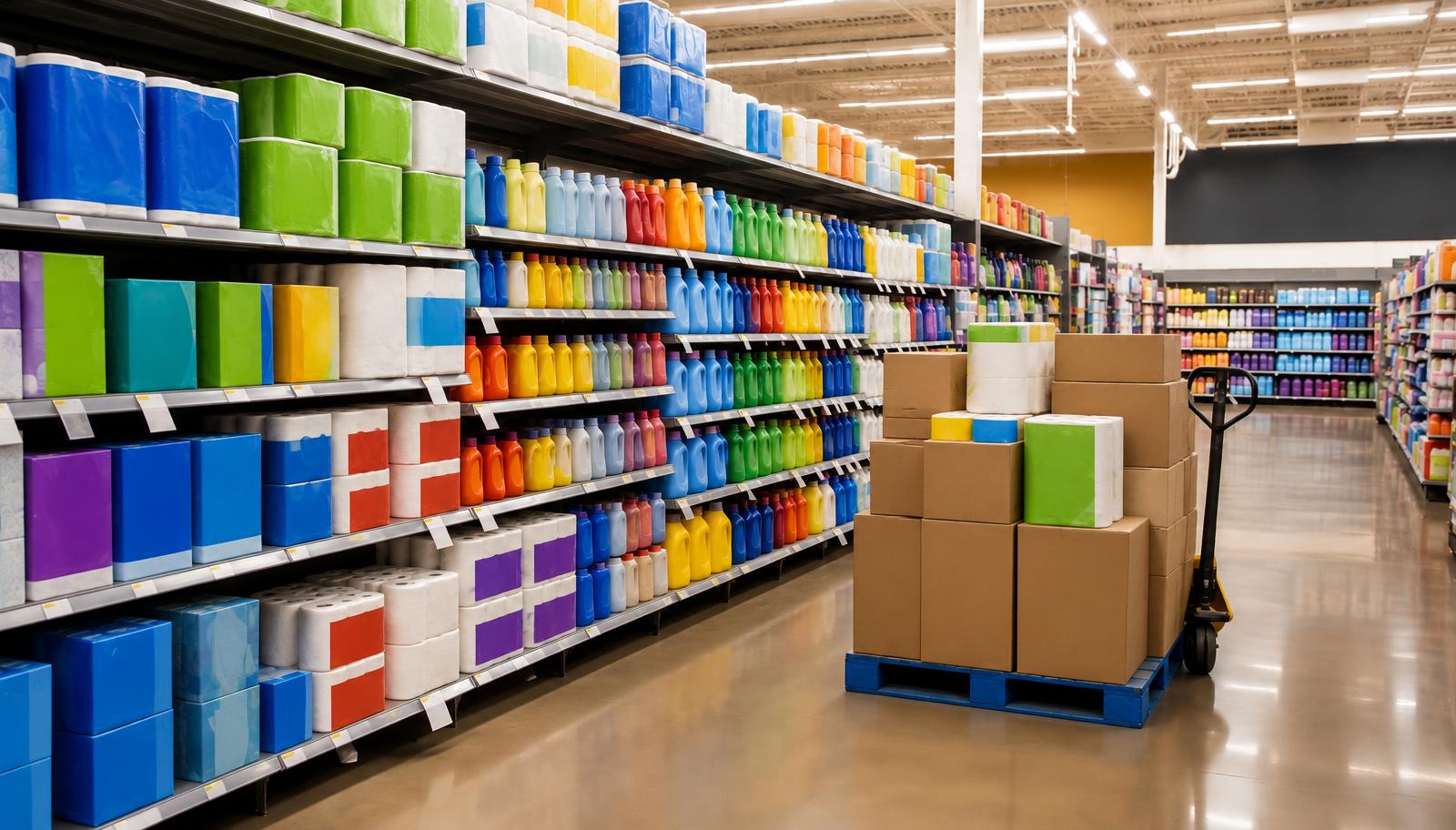 Consumer Goods & Packaging
Consumer goods & packaging company
Reinforcing procurement staff while transforming eleven multiple entities into one unified supply chain
Improved profitability by 20%.
Read the client story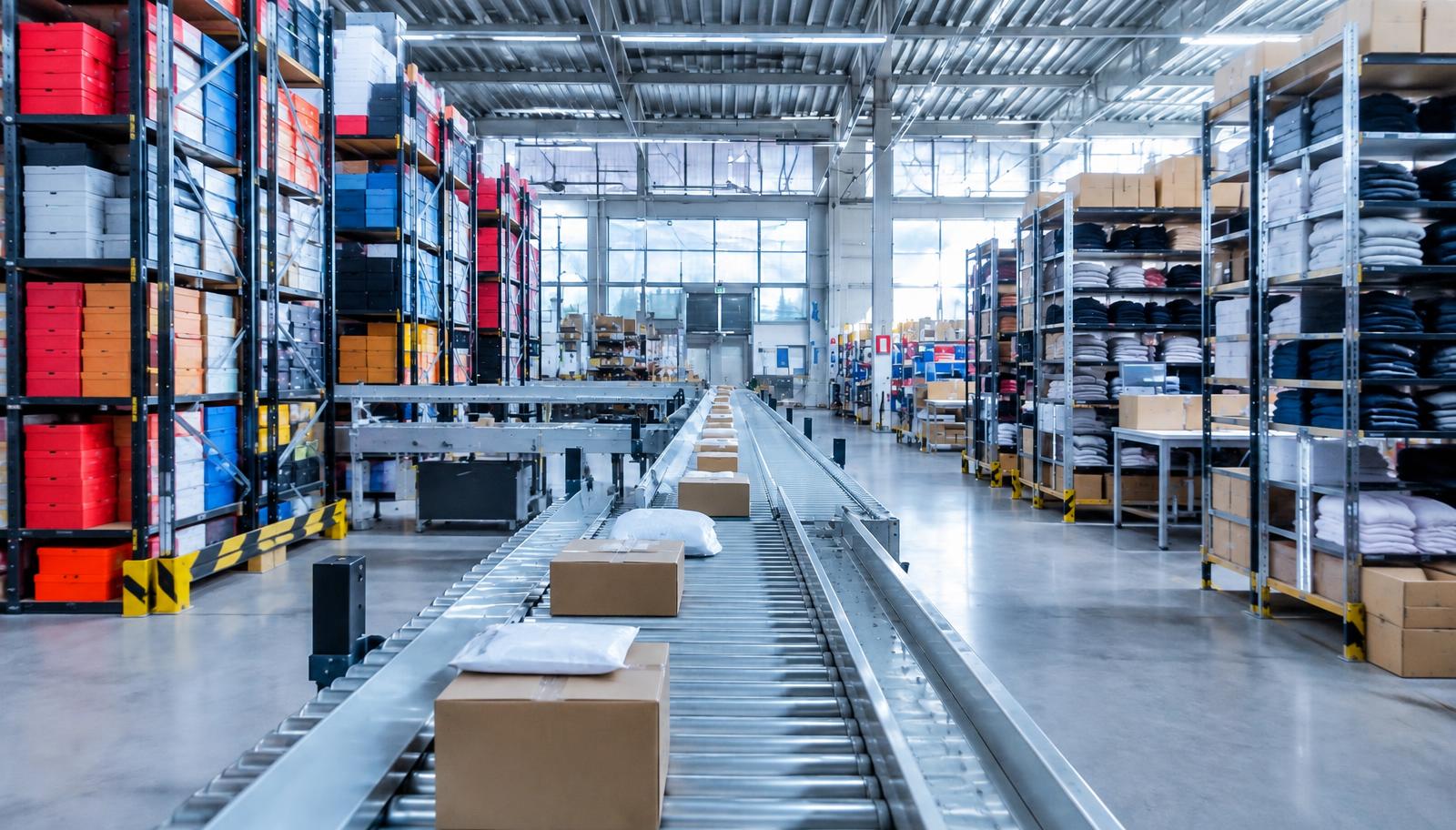 Consumer Goods & Packaging
Consumer goods & packaging company
Transforming the supply chain in the face of new disruptive business models
Reduced cycle time by 15%.
Read the client story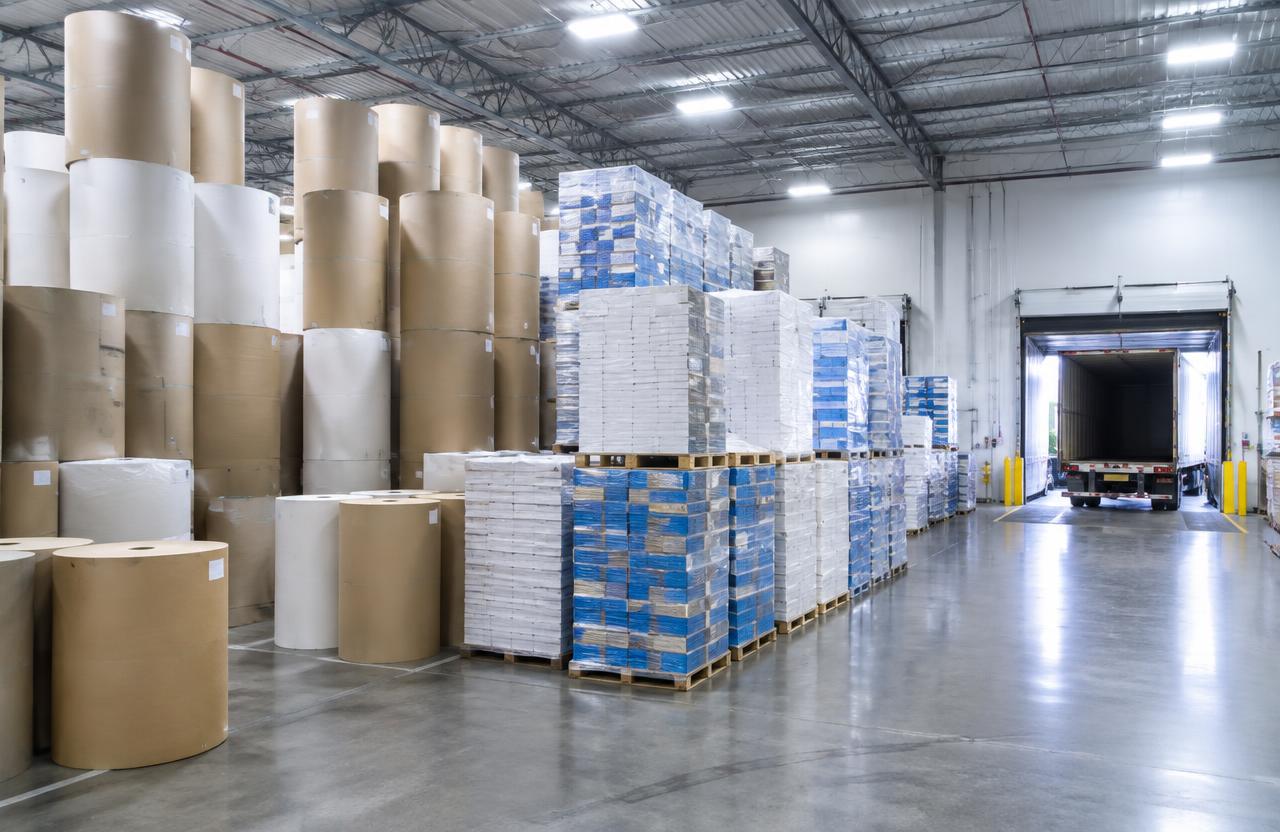 Distribution
Paper distribution company
Generating significant measurable cost savings in a challenging market
Generated 11% cost savings on largest growth category for the business.
Read the client storyInsights / Consumer Goods & Packaging
Thinking for consumer goods & packaging leaders.
Consumer Goods & Packaging
SKU proliferation: the hidden tax on consumer growth
Why assortment decisions need a capacity and cash case, not just a sales forecast.
Read article · 4 min
Consumer Goods & Packaging
The warehouse and freight cost hidden in your pack
Pack, pallet and network decisions belong in the same conversation.
Read article · 4 min
Integrated Planning
S&OP vs. SIOP vs. IBP: which one does your business actually need?
The acronyms get used interchangeably, and the confusion costs companies money.
Read article · 4 minYour questions, answered
Frequently Asked Questions
What does a CPG consulting firm do?
A CPG consulting firm connects assortment, packaging, demand planning, procurement, manufacturing and fulfillment. Maine Pointe helps leaders identify operational constraints, validate financial opportunities and implement changes with accountable owners.
How can consumer brands reduce SKU complexity?
Evaluate contribution after changeovers, packaging commitments, inventory exposure and channel requirements. Then decide whether to retain, redesign, reprice or retire each item. Low volume alone is not a sufficient reason to remove a product.
How do you lower warehouse and transportation costs for consumer goods?
Start with how the product is packed and stored. Case and pallet configuration, slotting and the number of touches drive warehouse cost; load fill, lane design and carrier mix drive freight. At one sports products distributor, re-slotting the warehouse and cutting inventory touches from five to three lowered operating costs by 20%.
Can inventory fall without weakening retailer service?
Yes, where excess stock and service failures have different causes. Segment inventory by demand, shelf life and replenishment reliability, then address the specific causes of shortages rather than cutting every item equally.
What is Total Value Optimization™ for consumer businesses?
Total Value Optimization™ (TVO™), links procurement, operations and logistics decisions to enterprise value. For consumer businesses, that means testing growth plans against service, margin and working-capital consequences together.
How is AI used in consumer supply chains?
Maine Pointe's Combined Intelligence model is human-led and AI-enabled. It helps teams challenge demand assumptions and investigate exceptions. Maine Pointe Atlas supports knowledge access; accountable business leaders retain final decisions.
How do you reduce packaging cost without hurting line performance?
Judge a pack on the whole flow, not the price per unit. Compare material cost with the run rate, changeovers and rejects it causes, then qualify alternative suppliers and formats against those measures. At one retail manufacturer, redesigning packaging lifted packing-machine reliability to 100% and reduced North American packaging material cost by more than $2M once alternative suppliers were qualified.
What results do consumer goods and packaging consulting engagements deliver?
Consumer goods and packaging consulting engagements are judged on measured EBITDA, cost and cash results. Published results include more than $2M removed from North American packaging material costs at a retail manufacturer whose packing machines were redesigned to run reliably, and 24% saved on a targeted chemicals category at a personal care and beauty contract manufacturer. Results vary by starting point, so the Consumer Growth Value Assessment sizes your opportunity before work begins.
How long does a consumer goods and packaging improvement program take?
A consumer goods and packaging improvement program starts with the Consumer Growth Value Assessment, which takes weeks rather than months. Implementation is phased by priority, so first savings are tracked as they land while larger changes continue over the following months.
How do you choose a consumer goods and packaging consulting firm?
To choose a consumer goods and packaging consulting firm, look for published results in your sector, people who implement alongside your teams rather than only advising, and fees tied to measured outcomes. Maine Pointe has completed 550+ engagements since 2004 and offers guaranteed performance.
Your next step / Consumer Growth Value Assessment
Make growth worth delivering.
Guaranteed performance. Commercial terms agreed with each client.
Request the Consumer Growth Value Assessment