
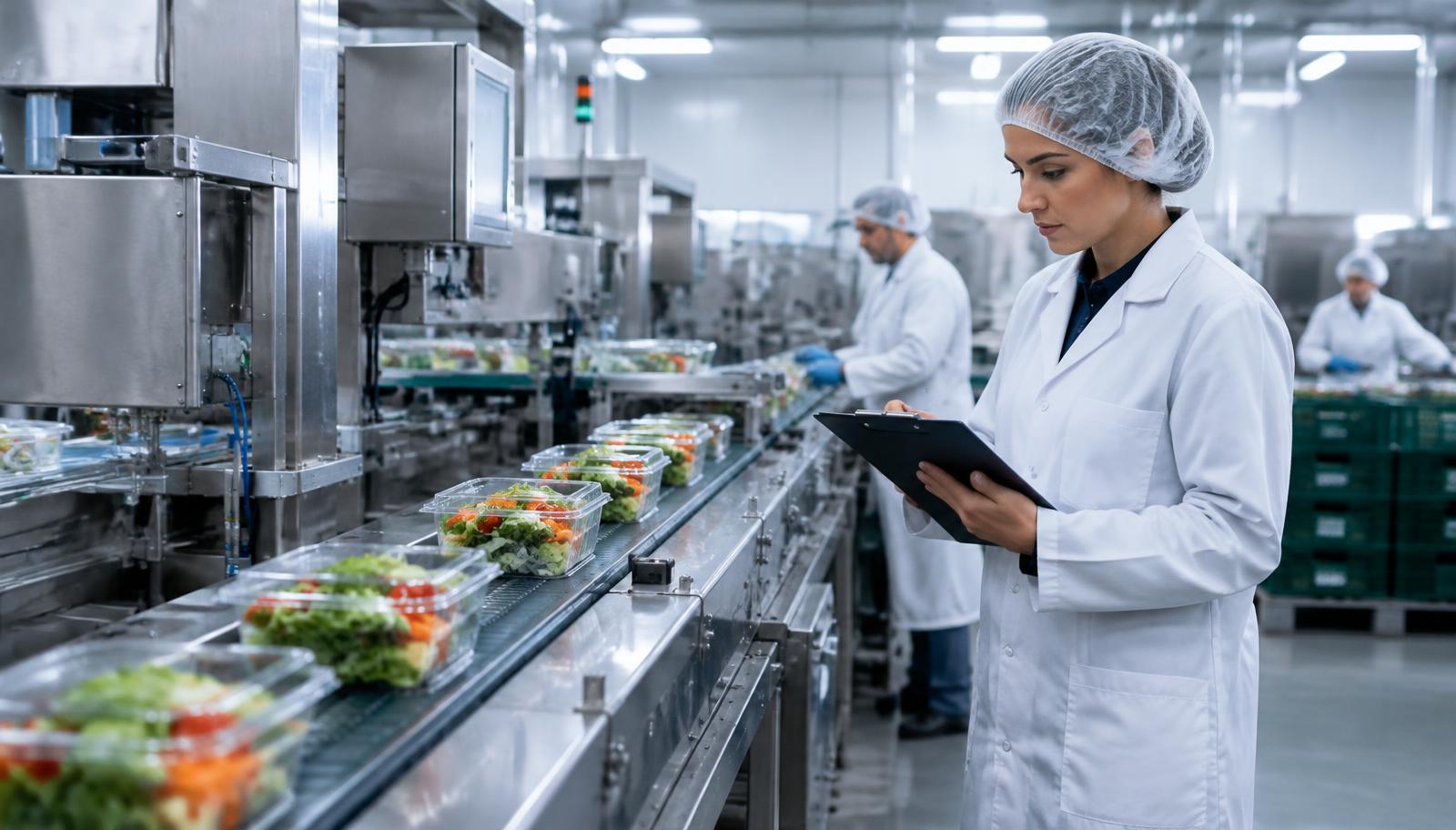
Industries / Agriculture & Food
Food Manufacturing, Food Service and Agribusiness Consulting
Protect margin. Keep food moving.
A restaurant group buys the same chicken, fries and cups for hundreds of locations, through distributors, franchisees and contracts that rarely line up. Maine Pointe provides restaurant strategic sourcing, food supply chain consulting and food manufacturing consulting that turns that spend into margin. For processors and agribusinesses, we connect purchasing, plant schedules and shelf life so more of what you buy becomes saleable output.
In short
Maine Pointe provides food manufacturing, restaurant and agribusiness consulting that protects margin from purchase commitment to the shelf. We connect commodity exposure, saleable plant capacity, freshness and customer service so leaders can act on one view of value. The first step is the Farm-to-Table Value Assessment.
Trusted by agriculture & food leaders.
A selection of the agriculture & food companies we have served.








If you're the CEO
Connect commodity exposure, pricing choices and growth commitments to a credible margin plan.
If you're the RESTAURANT CFO
Drive margin by taking a holistic view of your input costs. Align specifications with pricing and reduce costs for consumables and packaging.
If you're the Private equity operating partner
Distinguish repeatable procurement and operating improvements from temporary commodity or mix benefits.
What's changing in agriculture & food
Where restaurants and food producers lose margin
Strategy sets the ambition. Supply chain and operations decide whether it shows up in EBITDA, cash and growth. This is Total Value Optimization™ applied to your sector.
Food costs move faster than menu prices
Protein, produce, oil and packaging prices can shift before menu prices reset. Contract timing and specifications determine how much of that change reaches restaurant margin.
Product variety consumes usable capacity
Retailer specifications, pack formats and shorter runs compete for line time. Changeovers, sanitation and allergen controls must be included in growth plans.
Freshness narrows recovery options
Seasonal harvests and perishable inventory limit how long businesses can wait for labor, transport or customer orders. Extra stock is not always a safe buffer.
Spend is split across distributors and locations
Brands, franchisees and individual restaurants often buy through different distributors on different terms. Without one view of spend, volume leverage and contract compliance are lost.
Illustrative example
Follow one menu item from contract to the restaurant
A good contract price only helps if it is the price every restaurant actually pays. Follow one menu item and the hidden costs show up.
01 / Supplier contract
Sourcing negotiates a price for the item, often without a firm view of volume across every brand and location.
02 / Distributor
Markups, fees and pass-through terms are added on top, and are rarely checked against the contract.
03 / Restaurant
Locations order off-contract substitutes or extra pack sizes, so the negotiated item is not always what gets bought.
04 / Landed cost
The true cost per serving sits well above the contract price. The saving shrinks before it reaches margin.
Where the value sits
Food supply chain consulting, from farm to table
Plan
Balance seasonality and shelf life
Connect harvest windows, demand uncertainty, promotional volume and customer freshness requirements.
Buy
Manage exposure, not just price
Align restaurant food and packaging categories, ingredients and agricultural inputs with demand, specifications and pricing mechanisms.
Make
Increase saleable throughput
Address yield loss, changeovers, sanitation and packaging constraints while protecting food safety.
Move
Preserve product condition
Hold distributors to contract on markups and fees, and coordinate cold-chain needs and inventory positioning with product life.
Fulfill
Deliver freshness and availability
Keep restaurants ordering on contract and on specification, and align lot allocation with service commitments to reduce expiry and claims.
Four links that decide what reaches the shelf
Purchase commitments
Contract volumes and timing set how much raw material arrives, and when, regardless of what the plant can process.
Sanitation time
Cleaning and allergen changeovers consume line hours that never appear in nameplate capacity.
Cold transport
Every day in the cold chain, and every temperature break, takes life out of the product before delivery.
Remaining shelf life at delivery
Customers accept product on the life left when it arrives, not when it was made. This is where food and beverage margin is won or lost.
Improving one link in isolation often moves waste to another. The value comes from planning all four together.
Your entry point
Farm-to-Table Value Assessment
Identify where margin is lost between supplier contracts, distributor charges and restaurant orders, and where capacity is lost between purchase commitments, production and delivery.
Request the Farm-to-Table Value AssessmentRestaurant spend and distributor cost review. Build one view of food, packaging and distributor spend, and compare invoices and location orders with contract terms.
Commodity-to-margin exposure map. Connect contract positions, inventory, customer pricing and expected consumption.
Saleable capacity baseline. Measure constraints, yield, sanitation and changeover losses by relevant product family.
Freshness and service review. Trace avoidable waste, stock imbalances and customer deductions across the network.
Prioritized value roadmap. Assign owners and decision gates to sourcing, scheduling and operating improvements.
Illustrative example
See what restaurants really pay
Contract terms
Supplier and distributor agreements show the agreed price, markup, fees and volume commitments for each item.
Distributor invoices
Invoices show what was actually charged, line by line, including fees and price changes.
Location purchasing
Restaurant and franchisee orders show which items were bought on contract, which were substituted and in what pack sizes.
Laying the three side by side shows whether margin is lost in the negotiation, the distributor charge or the restaurant order, so each is fixed by the right team.
Combined Intelligence / Human-led. AI-enabled.
Using demand signals before stock expires
Through Maine Pointe's Combined Intelligence model, experienced operators and governed AI work side by side. Your people make the final call, and the TVO Control Tower™ keeps the gains visible after we leave.
01 / Restaurant spend
Check every invoice against the contract
Maine Pointe's Combined Intelligence model compares distributor invoices and restaurant orders with contract terms to surface overcharges and off-contract buying. Sourcing and finance leaders decide what to act on.
02 / Plant scheduling
Compare feasible production sequences
Human-led, AI-enabled analysis considers allergen rules, sanitation, packaging and shelf life. Plant and food safety leaders make the final scheduling and release decisions.
03 / Freshness
Surface inventory at risk
Maine Pointe Atlas supports analysis of lot age, demand changes and customer freshness rules. Planning and quality leaders make the final allocation, disposition and release decisions.
Featured success stories / Agriculture & Food
Client results and related reading
 Agriculture & Food
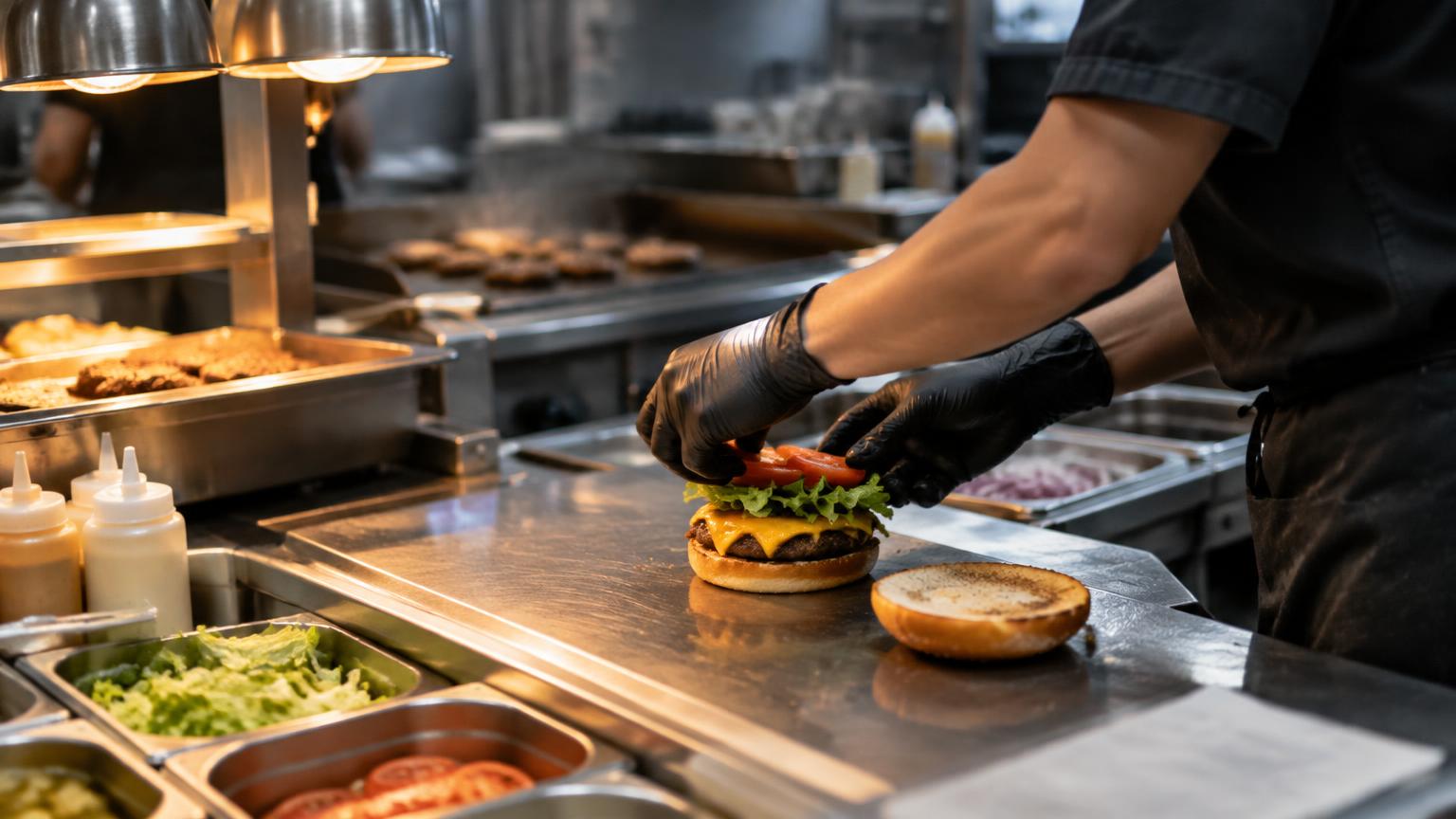
Leading quick-service restaurant brand
$13M in savings for a QSR leader
From incumbent dependency to category excellence.
Read the client story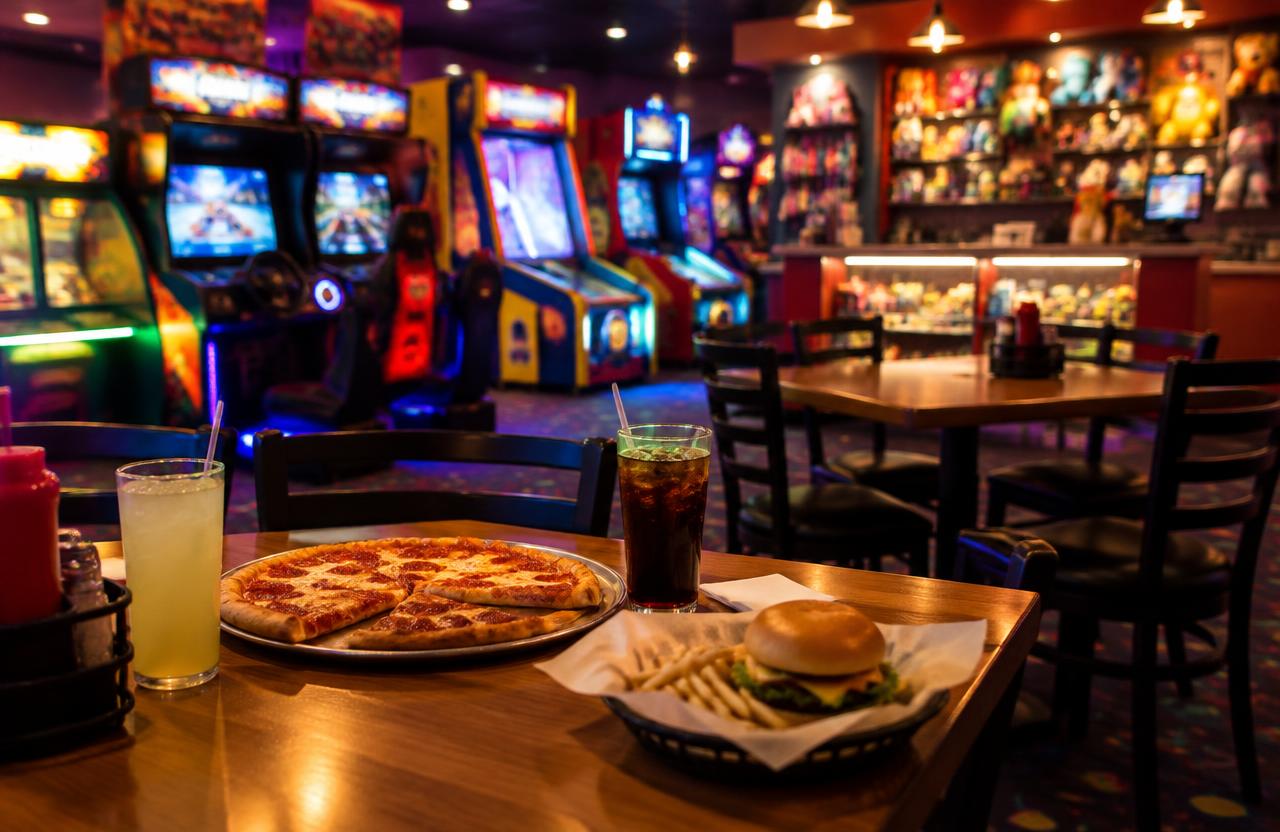 Agriculture & Food
Leading food & entertainment brand
$14M in savings post-bankruptcy
Procurement transformation: category excellence, supplier conditioning, governance and spend visibility.
Read the client story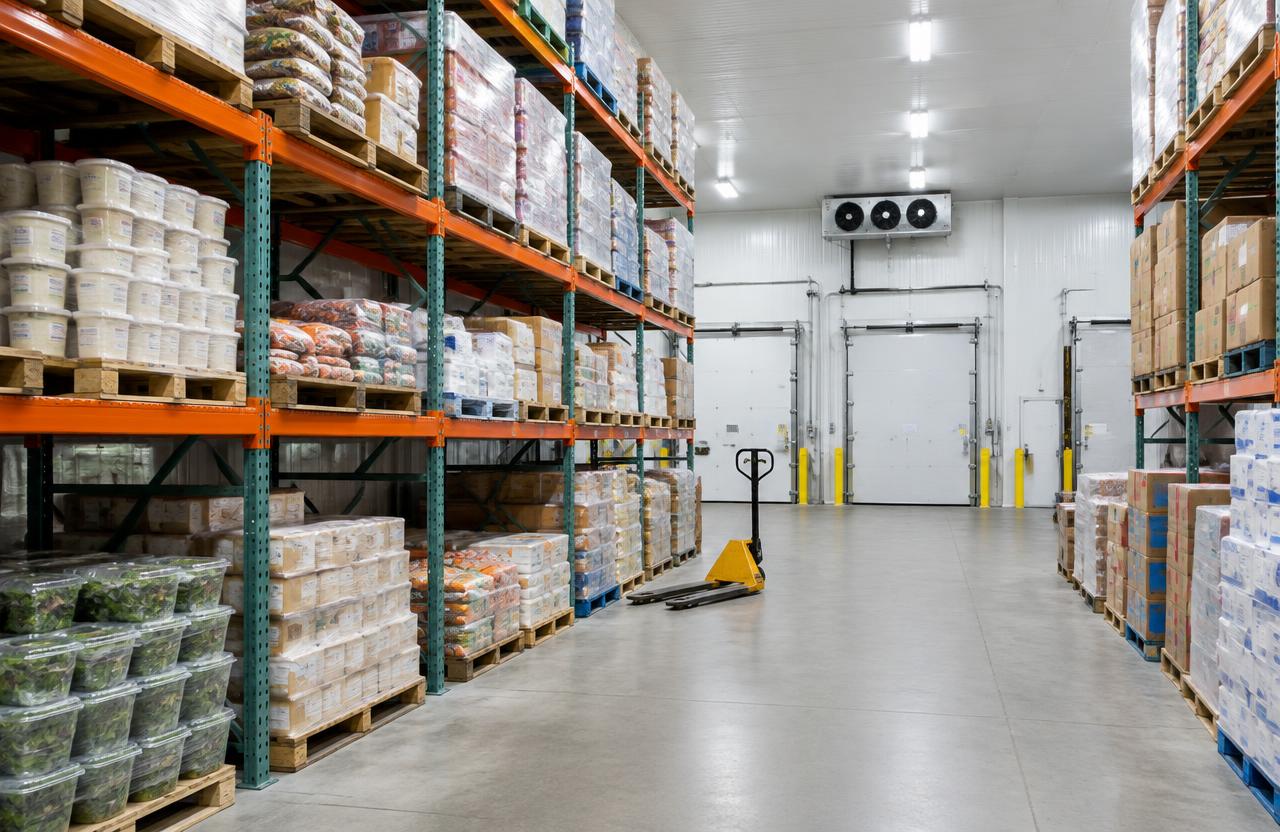 Agriculture & Food
Food & entertainment company
Rapid productivity gains across manufacturing & warehouse
From firefighting chaos to controlled operations.
Read the client story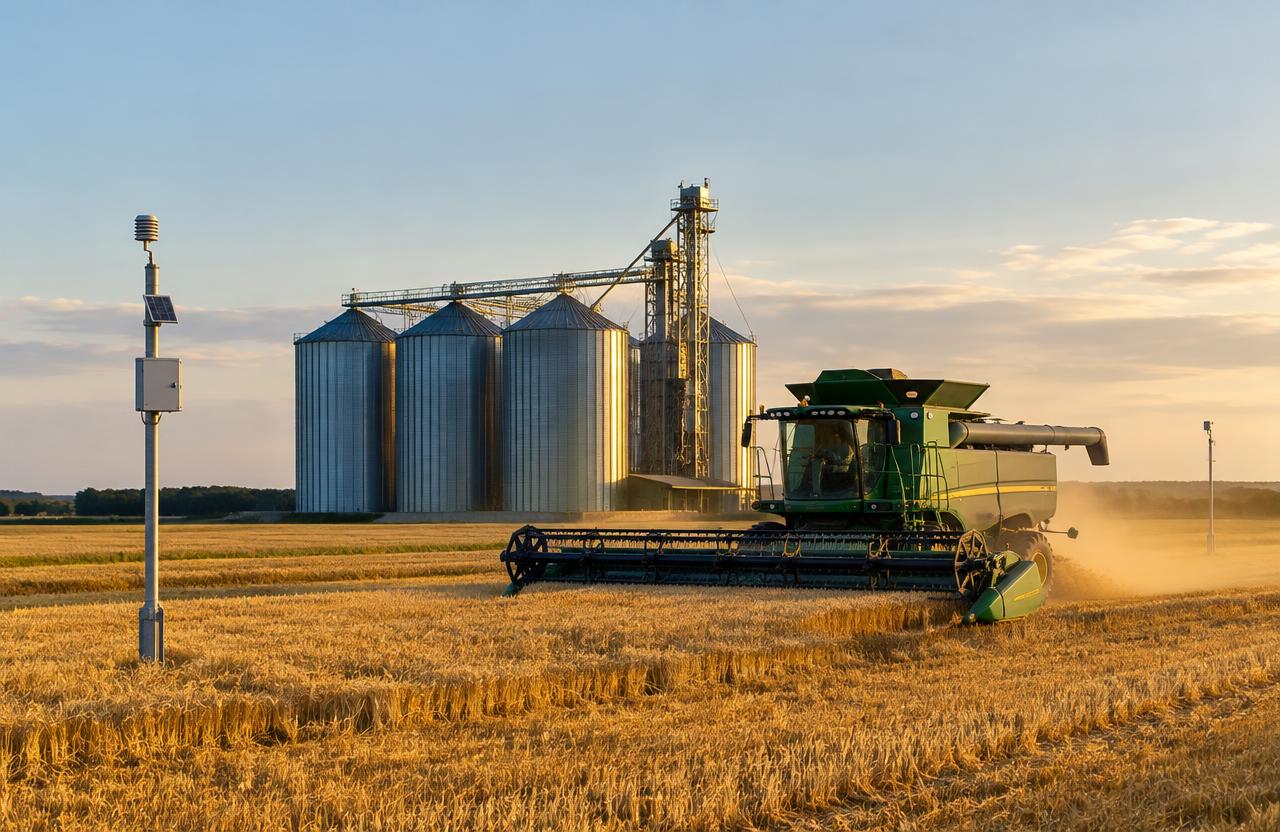 Agriculture & Food
Agriculture & food company
Providing optionality and risk mitigation for a sole-sourced supply chain
41% profitability improvement.
Read the client story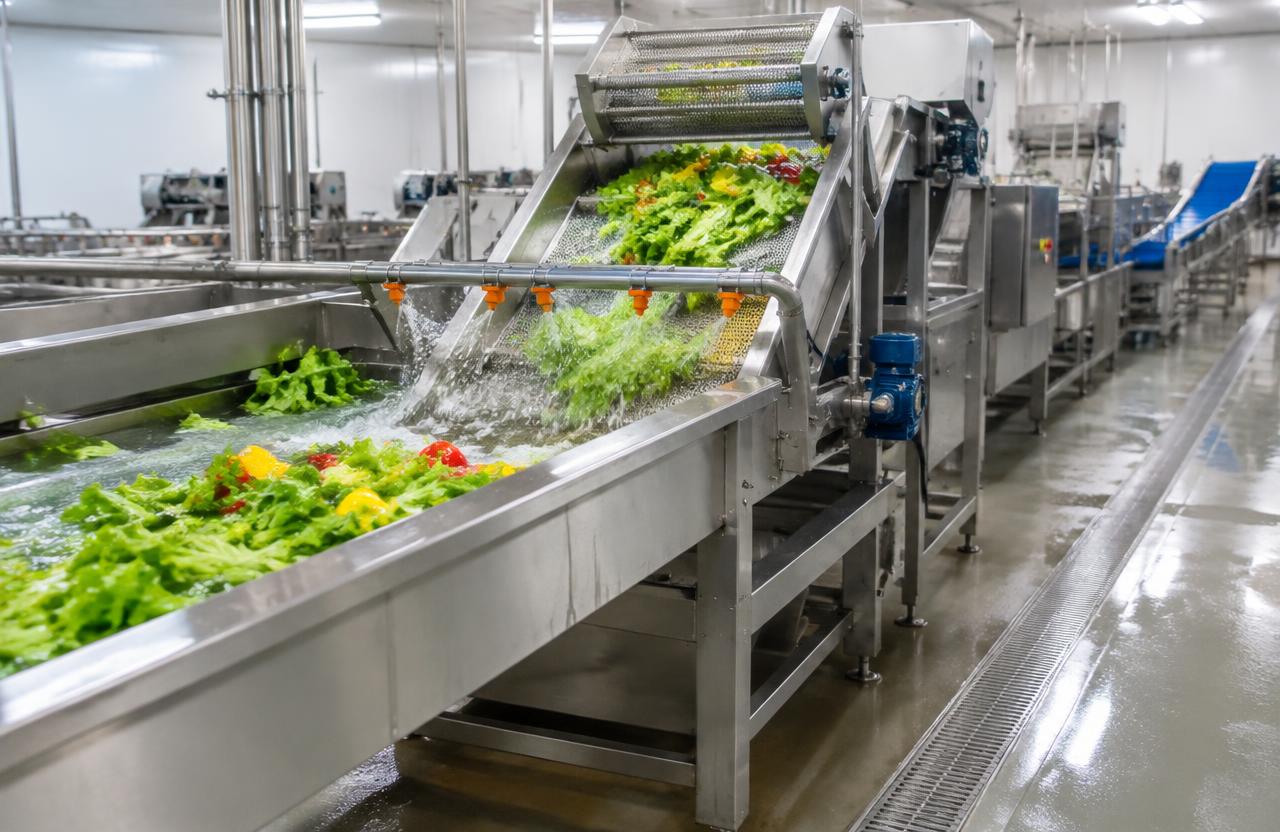 Agriculture & Food
Agriculture & food company
Uplifting processes, throughput, and data to support long-term goals
$7.2M annualized benefits.
Read the client story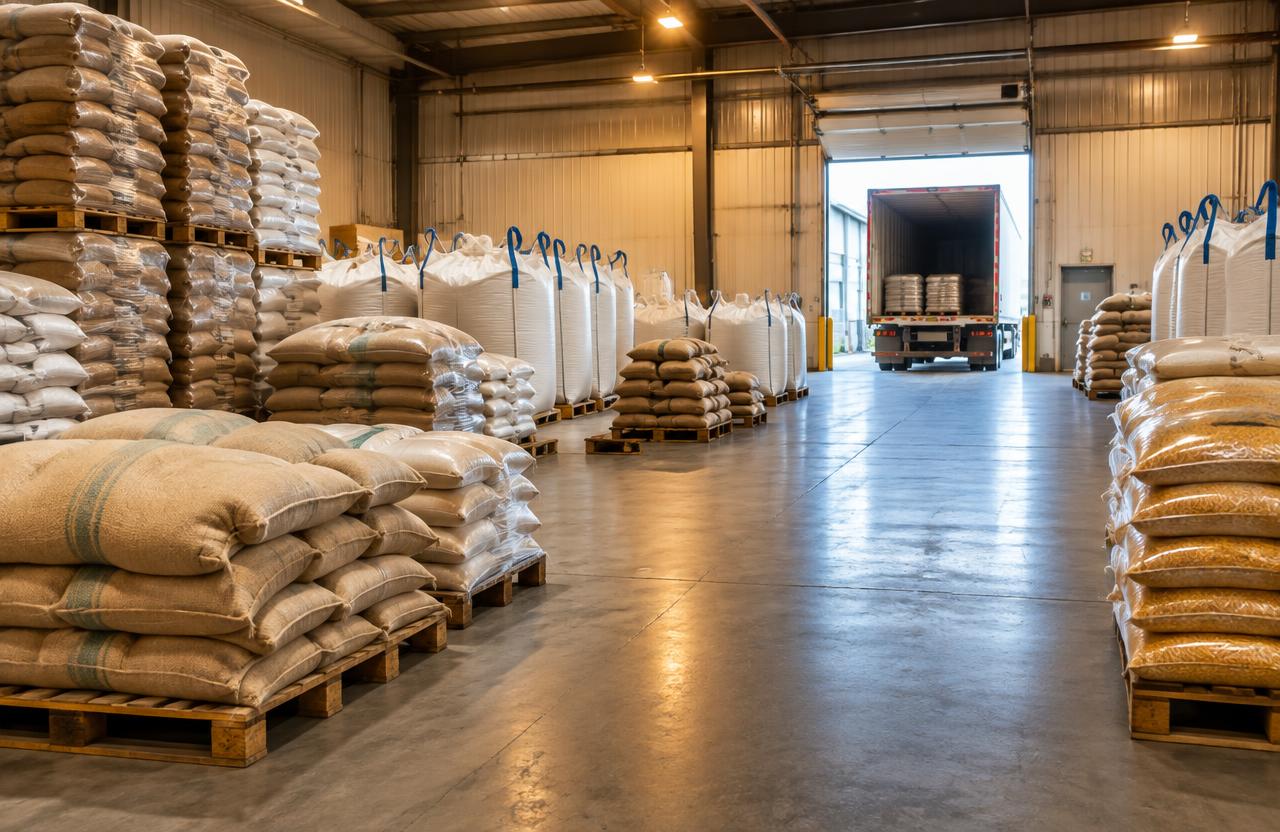 Agriculture & Food
Agriculture & food company
Securing company’s growth with actionable data, vendor optionality
$3M annualized benefits.
Read the client storyInsights / Agriculture & Food
Thinking for agriculture & food leaders.

Procurement
Procurement as the fastest EBITDA lever in a portfolio company
Of every lever in a value creation plan, procurement hits the P&L fastest, needs the least capital and carries the least execution risk.
Read article · 3 min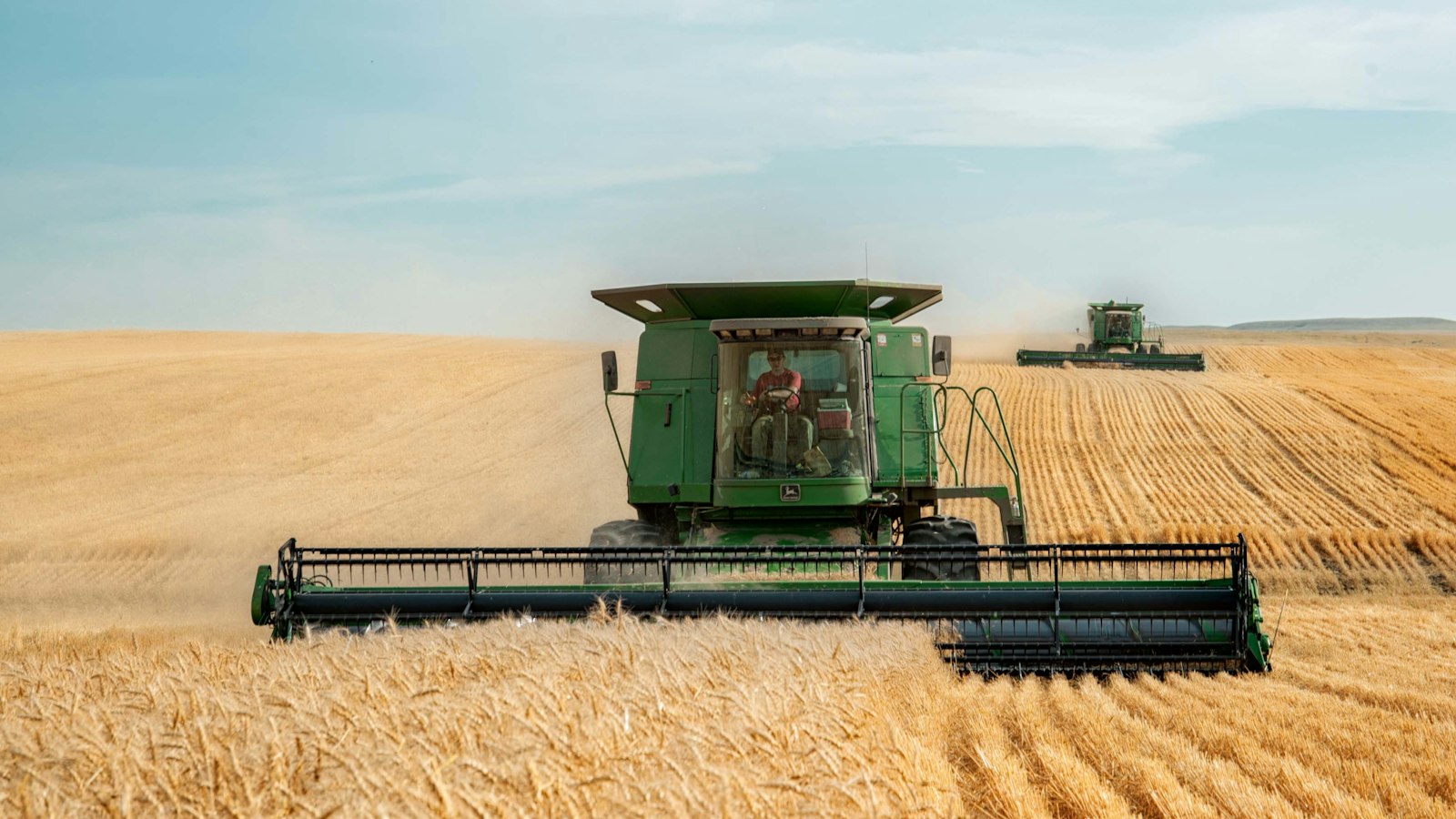
Agriculture & Food
Commodity volatility: protecting margin from farm to table
Input prices do not reach earnings on the same timetable. Manage the exposure between purchase, production and customer pricing.
Read article · 4 min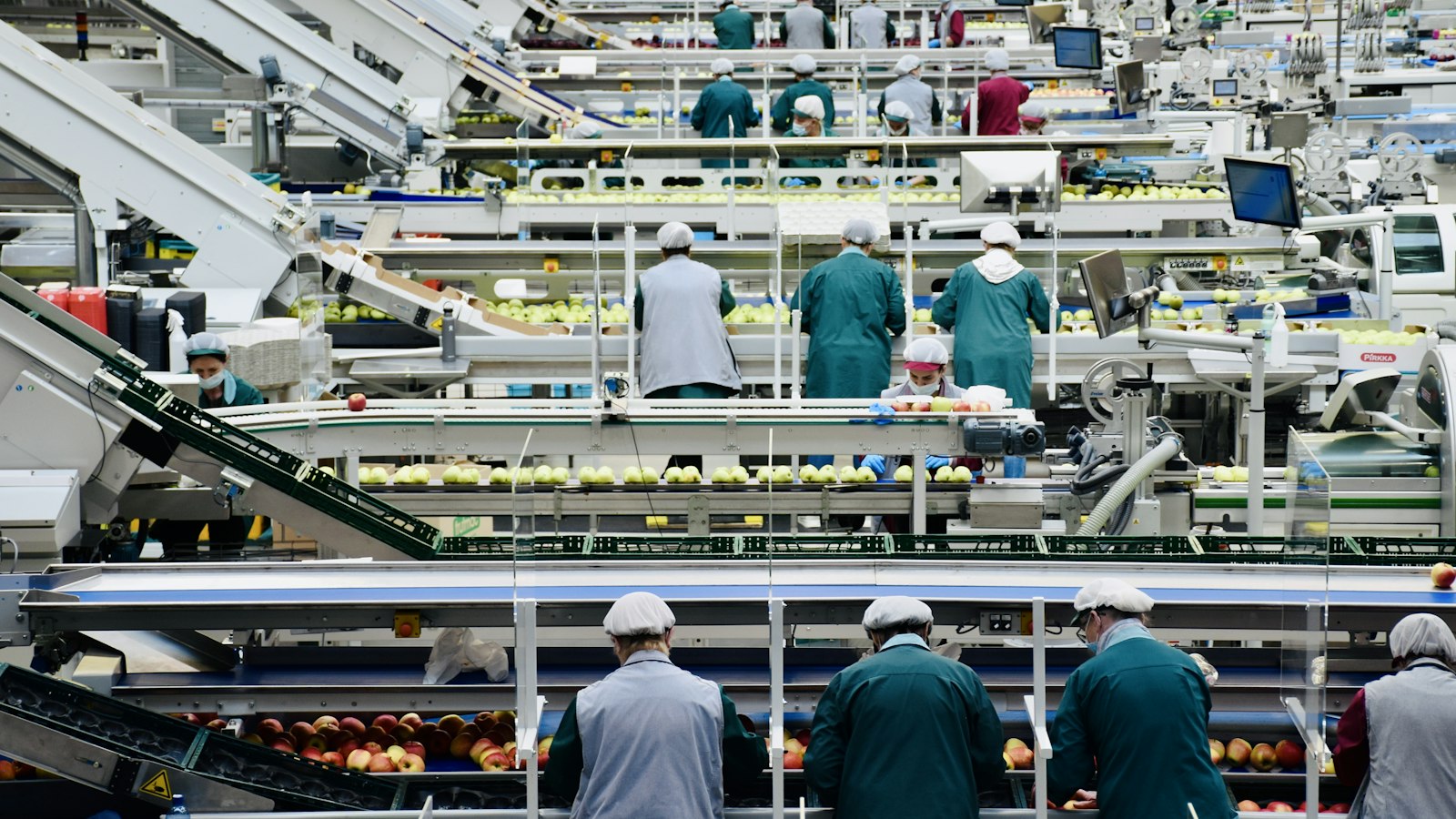
Agriculture & Food
Food plant capacity: growth without a new line
Before approving expansion, establish how much safe, saleable output the existing system can actually deliver.
Read article · 4 minYour questions, answered
Frequently Asked Questions
What does a food supply chain consulting firm do?
Food supply chain consulting connects ingredient sourcing, planning, processing, logistics and customer fulfillment. Maine Pointe helps agriculture and food businesses identify margin leakage, improve saleable throughput and manage inventory without compromising food safety or freshness.
How can food manufacturers manage commodity volatility?
Map purchase commitments, consumption forecasts, inventory and customer pricing mechanisms together. This shows when input-cost changes reach margin and supports decisions about contracts, approved substitutions, inventory and pricing. Hedging decisions require appropriate specialist oversight.
How can restaurant groups reduce food and packaging costs?
Combine spend across brands, franchisees and locations, review specifications and pack sizes, and source each category on total landed cost rather than unit price alone. Then check that restaurants actually buy on contract so the savings reach margin.
How do you manage restaurant distributor costs?
Compare distributor invoices line by line with the agreed markup, fees and pass-through terms, and measure how much each location buys on contract. Gaps found this way can be corrected with the distributor and built into the next agreement.
How does TVO apply to agriculture and food?
Total Value Optimization™ (TVO™) connects decisions across the value chain. For food businesses, a cheaper ingredient or longer production run is evaluated against yield, waste, working capital and customer service.
What role should AI play in food operations?
AI can compare demand, schedule and inventory scenarios. Maine Pointe's Combined Intelligence model is human-led, AI-enabled: plant, procurement and quality leaders retain final authority, including food safety and release decisions.
How do we start a food supply chain improvement program?
Start with the Farm-to-Table Value Assessment to establish commodity exposure, saleable capacity and freshness losses. An owned roadmap turns findings into actions. The TVO Control Tower™ can support operating visibility and follow-through.
What results do food and agriculture consulting engagements deliver?
Food and agriculture consulting engagements are judged on measured EBITDA, cost and cash results. Published results include $13M in savings for a quick-service restaurant brand after it changed how it purchased and managed its categories. Results vary by starting point, so the Farm-to-Table Value Assessment sizes your opportunity before work begins.
How long does a food and agriculture improvement program take?
A food and agriculture improvement program starts with the Farm-to-Table Value Assessment, which takes weeks rather than months. Implementation is phased by priority, so first savings are tracked as they land while larger changes continue over the following months.
How do you choose a food and agriculture consulting firm?
To choose a food and agriculture consulting firm, look for published results in your sector, people who implement alongside your teams rather than only advising, and fees tied to measured outcomes. Maine Pointe has completed 550+ engagements since 2004 and offers guaranteed performance.
Your next step / Farm-to-Table Value Assessment
Buy smarter. Protect the margin.
Guaranteed performance. Commercial terms agreed with each client.
Request the Farm-to-Table Value Assessment