

Expertise / Operational due diligence
Operational Due Diligence Consulting
Validate what the business can deliver, what could stop it and how the value will reach the P&L.
In short
Maine Pointe's operational due diligence tests the operating case of a deal for private equity sponsors and corporate acquirers, from a fast screen before the LOI to confirmatory diligence before signing. The same team then helps deliver the first 100 days after close.
Why operational diligence
Test the operating case before you commit.
Financial diligence confirms what the business has earned and commercial diligence tests the market. Operational diligence sits alongside both and looks at the business you are actually acquiring: supplier concentration, plants near capacity, freight exposed to tariffs, a planning process held together by a few people.
We assess the full value chain using Total Value Optimization™, and the operators who size the value stay to deliver it. For sponsors this connects to our private capital work across the deal life cycle.
Sponsors and acquirers
Operational due diligence for private equity and corporate acquisitions.
Private capital
Underwrite the operating case.
For sponsors and operating partners: test the value creation plan before you price it, then hand the portfolio company a 100-day plan it already believes in.
Corporate acquirers
Buy the synergies you modeled.
For CEOs, COOs and corporate development: confirm the cost and capacity synergies in the board case, find the integration risks early and protect the base business while you combine.
If you're the deal partner
A view of the operating upside and downside you can defend at investment committee.
If you're the CEO or COO
Synergies sized plant by plant, supplier by supplier—and owners named before Day 1.
If you're the CFO
Operating assumptions that tie to the model, with the cash and EBITDA timing made explicit.
From pre-LOI screen to the first 100 days
01 / Screen
Before the LOI
A fast outside-in read of the operations: where the margin comes from, what is fragile and which levers could change the price.
02 / Confirm
Confirmatory diligence
Site visits, data-room analysis and management sessions across Plan, Buy, Make, Move and Fulfill. Upside sized, risks priced, the thesis tested.
03 / Integrate
Day 1 and the first 100 days
The diligence findings hand over to post-merger integration: synergy owners, a clean Day 1 and early wins that fund the rest.
What we assess
What is included in operational due diligence?
Plan
Forecast quality, S&OP discipline, inventory health and how well the business can commit to growth.
Buy
Spend profile, supplier concentration and risk, contract terms and the realistic procurement upside.
Make
Capacity, OEE, footprint, capital needs and whether the plants can carry the plan.
Move
Network design, freight cost, carrier mix and exposure to tariffs or lane disruption.
Fulfill
Service levels, order-to-cash and the customer promise the business is actually keeping.
People & systems
Leadership depth, operating rhythm and the systems and data that integration will depend on.
Manufacturing due diligence
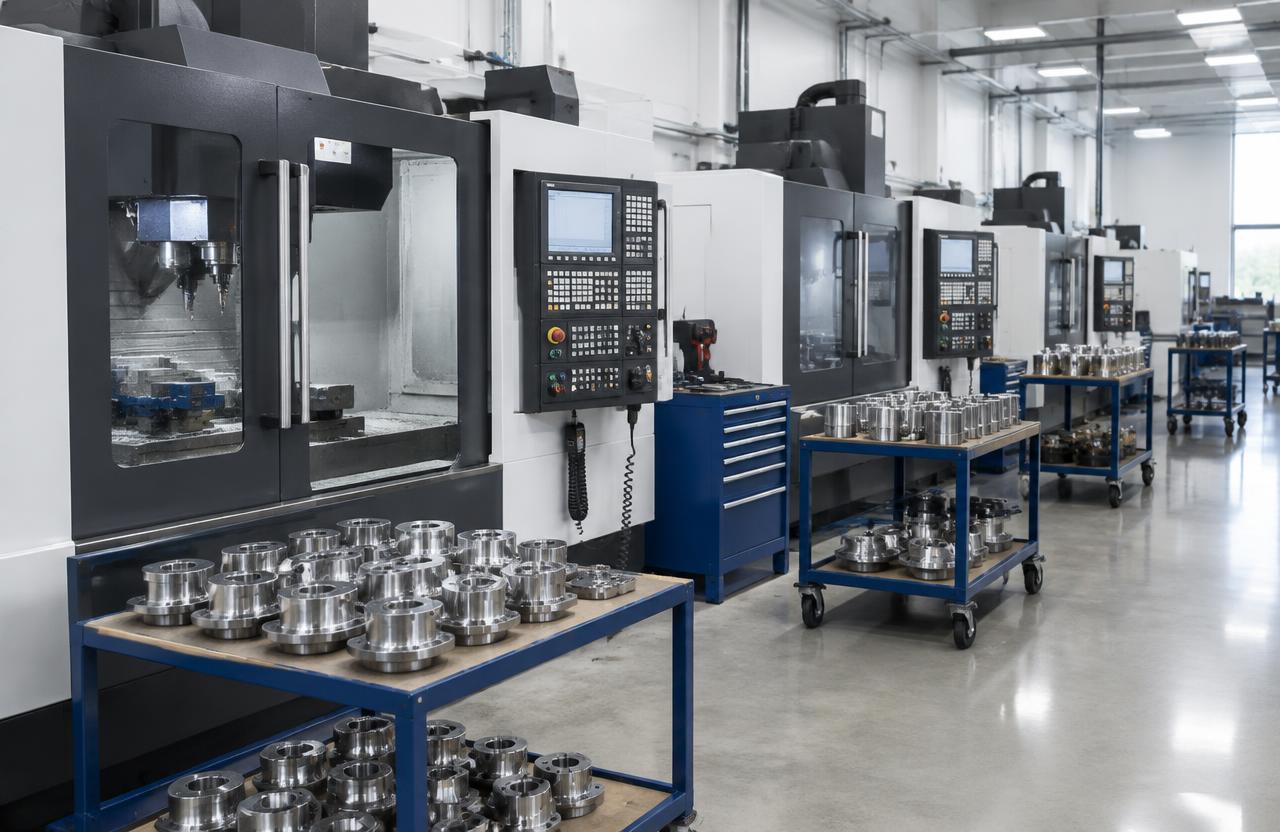
For industrial targets, we test the deal assumptions against how the plants really run: OEE and usable capacity, the footprint, the capital the plan will need and the constraints that could cap growth. If the volume in the model cannot come out of the plants, the price should reflect it.
Your entry point
An Operational Diligence Review with a path to delivery.
Scoped to your deal stage and timetable, from a fast screen before the LOI to full confirmatory diligence before you sign.
Operating baseline. Where cost, capacity, service and cash stand today, from the data and the shop floor.
Upside and risk, sized. The EBITDA and cash levers, and the operating risks, with timing and confidence.
Synergy or value plan. For acquirers, synergies by owner; for sponsors, the value creation plan the business can execute.
First 100 days. The integration or value creation roadmap, ready to start at close.
Every opportunity comes with an owner, a timing, the assumptions behind it and our confidence in it. After close, the same findings become the implementation plan, and we can lead the work alongside your team.

Combined Intelligence
Combined Intelligence for faster, traceable diligence.
- 01
Data room in days, not weeks
AI reads spend, inventory, production and freight data as it lands, so the team spends diligence time on judgement rather than cleanup.
- 02
Patterns across the footprint
Comparisons across plants, lines, suppliers and lanes show where performance is real and where it is being held together by effort.
- 03
Synergy cases you can trace
Every synergy links back to the data and assumption behind it, so the integration team inherits a plan, not a slide.
- 04
Maine Pointe Atlas
Our knowledge engine brings learning from comparable engagements into the work, with our operators making the final call.
Visibility from close
The TVO Control Tower™ tracks synergies and value levers against the deal case, so slippage is visible early.
Named client owners
Every synergy and lever has a named owner in your team, trained to keep delivering after we step back.
Your questions, answered
Operational due diligence questions.
When should you do operational due diligence?
Start with a fast operational screen before the LOI to shape price and thesis. Scope then widens for confirmatory diligence before signing, adding site visits, data-room analysis and management sessions to validate the value case. Corporate acquirers also use it before integration planning to size synergies.
What is included in operational due diligence?
Operational due diligence covers Plan, Buy, Make, Move and Fulfill, plus leadership, systems and data: supplier concentration and risk, manufacturing capacity and capital needs, freight and network cost, service levels, planning and inventory. It produces a validated baseline, sized opportunities, key risks and a first-100-day roadmap.
How much does operational due diligence cost?
Cost depends on the scope, the number of sites and functions reviewed, data access and the deal timetable. Maine Pointe scopes each review with the deal team and agrees the fee before work starts.
How is operational due diligence different from financial due diligence?
Financial due diligence confirms what the business has earned. Operational due diligence shows what it could earn, how fast, and what could stop it—from supplier concentration to capacity limits and integration risk.
What is operational due diligence?
Operational due diligence (ODD) tests whether a target's supply chain and operations can deliver the plan behind the price. It looks at procurement, manufacturing, logistics, planning, people and systems, and sizes both the upside and the operating risks before you sign.
Is operational due diligence only for private equity?
No. Maine Pointe supports private equity sponsors validating an investment thesis and corporate acquirers confirming cost and capacity synergies, as well as businesses preparing a carve-out or a sale.
What happens after the deal closes?
The diligence findings become the integration or value creation plan. Maine Pointe can lead Day 1 readiness, post-merger integration, separation and synergy capture alongside your team, so the people who sized the value help deliver it.
How does AI help in due diligence?
AI speeds up reading data-room and operating data, compares performance across plants, suppliers and lanes, and keeps every synergy traceable to its source. Maine Pointe's Combined Intelligence model pairs that with experienced operators who make the judgement calls.
Can you work to a deal timetable?
Yes. Scope is set to the deal stage and timetable, from a fast pre-LOI screen to full confirmatory diligence. Timing is agreed with each client.
Featured success stories / Deals and integration
From diligence findings to delivered value.
Diligence → delivery / Industrial distribution and manufacturing
Propelling a good company into great with a 23% increase in EBITDA
A PE firm asked Maine Pointe to diligence a prospective add-on to its industrial distribution and manufacturing platform. We analyzed both the platform and the add-on to size synergies and value creation. When the acquisition fell apart, our analysis showed that the platform, already running at an excellent 18% EBITDA, still had room to improve. We then optimized its network and footprint, upgraded supply chain management and supplier relations, and matured procurement, logistics and warehousing.
- higher EBITDA, annualized
- 23%higher EBITDA, annualized
- savings
- $12.5Msavings
- case improvement
- $30.5Mcase improvement
- reduction in freight unload costs
- 57%reduction in freight unload costs
More deal and integration stories
 Aerospace & Defense
Composite parts carve-out
Productivity, organizational and procurement gains
Composite parts carve-out transformation.
Read the client story Energy
 company
Creating risk model and playbook for energy transition technologies
Assessed investment opportunities.
Read the client story Private Capital
Portfolio company
Ensuring complex carve-out integration remains on track, on budget
$3.6M in losses in prevented.
Read the client story Energy
 company
Propelling value creation initiatives against market headwinds
$18.6M procurement savings.
Read the client story Industrial Manufacturing
Industrial manufacturer
Implementing visibility model post-merger to save costs and gain savings
$15M annualized savings.
Read the client story Chemicals
 company
De-risking a reverse merger and accelerating integration and value capture
Gained $30M cost savings in year 1.
Read the client storyInsights / The deal perspective
The thinking behind the deal.
Your next step / Operational Diligence Review
Bring the deal. We'll test the operating case.
Request an Operational Diligence Review, scoped to your deal stage and timetable.
Request an Operational Diligence Review