
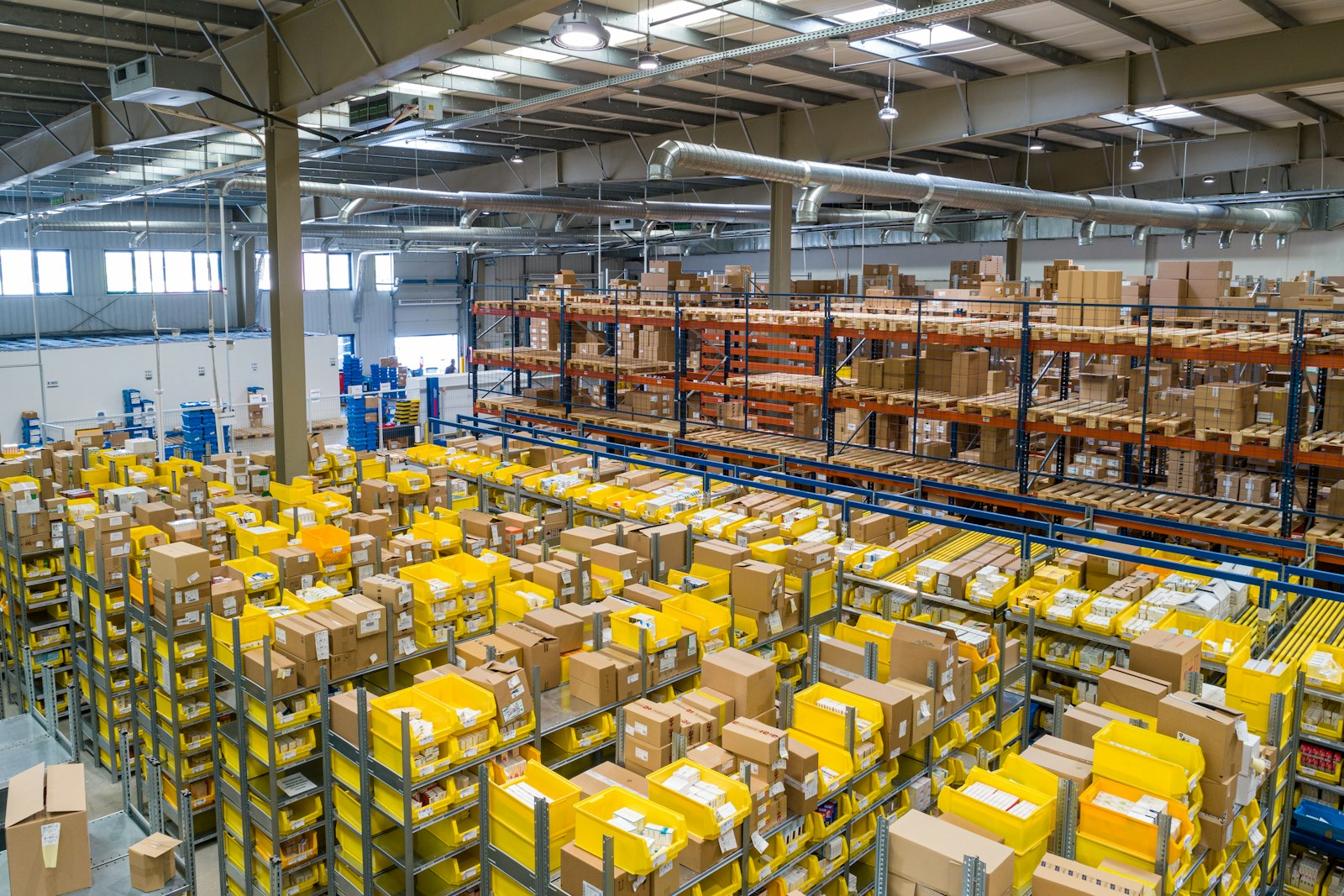
Expertise / Logistics & transportation
Logistics Consulting for Transportation and Warehouse Performance
Better service and lower cost, built into the network you already run, so it carries your growth.
Freight, warehousing and fulfillment are the only part of the supply chain your customer actually experiences. Maine Pointe helps you run that network for service and cost at the same time—releasing capacity in the buildings you already own, improving lanes and carrier performance, and freeing the cash tied up in motion.
10–20%typical cost savings and cash flow improvement clients findacross warehousing and logistics workstreams
$19.2Mannualized savings for one energy client, withgreenhouse gas emissions 75% lower
Guaranteed performance. Commercial terms agreed with each client.
In short
Maine Pointe's logistics consulting treats service and cost as one decision. A Network Assessment shows how much more your current network can carry and where service breaks; we then fix lanes, carriers and sites with your team and track results in the TVO Control Tower™.
Why logistics matters now
Service and cost are decided in the same place.
Most organizations run them as separate conversations. Customer service asks for speed. Finance asks for spend down. The network is where both are won or lost—and improving flow moves them together: fewer expedites, fewer split shipments, higher on-time in-full, lower cost per unit delivered.
The growth plan runs through the network you already have. Every new customer, channel, market or SKU is another stop in it. This is Total Value Optimization™ applied to the movement of goods, connected to procurement, planning and manufacturing.
What a well-run network does
Four ways logistics grows the business.
- 01
Sell more without new buildings
Cube, dock doors, labor hours and lane slots you haven't counted are already in the network. Releasing them lets you commit to more volume before a new distribution center or lease is approved.
- 02
Service that earns the next order
On-time in-full delivery, accuracy and lead time are how customers decide whether to give you more business. Reliability converts into share.
- 03
Cash out of motion
In-transit inventory, safety stock held against uncertainty and slow-moving nodes tie up cash. A tighter network releases it without cutting service.
- 04
Margin that survives volatility
Freight rates, carrier capacity and fuel move faster than any budget. A network with optionality across lanes, modes and carriers absorbs the shock instead of passing it to price.
Sound familiar?
When the network can't keep up.
These are the moments leadership teams call us—not because freight is failing, but because it's holding the growth plan back.
Volume is up. Service isn't.
Orders are growing, but on-time in-full is slipping, expedites are rising and the building is absorbing the difference with overtime.
The next building is on the table
A lease or a new distribution center is being weighed before anyone has proved the current network is at its limit.
Freight spend is hard to explain
Rates, lanes and carriers changed faster than the budget, and nobody can show which part was the market and which part was management.
Growth is adding nodes, not flow
Every new customer, channel or SKU adds a stop. Cost per delivered unit climbs while the network gets harder to run.
Your entry point
Find the opportunity with a Network Assessment
We baseline warehouse capacity, dock doors, cube, labor, lanes and carriers against your actual demand and service. You get one clear answer before you commit capital or sign a lease: where service breaks, how much capacity is available, what the changes are worth, and a joint roadmap with investment and return.
Network baseline. Warehouses, dock doors, cube, labor hours, lanes and carriers measured against the volume you actually ship.
Service truth. Where on-time in-full, accuracy and lead time really fail — by lane, node and customer, not in aggregate.
Value sized. What released capacity, avoided expedites and recovered cash are worth, measured the way Finance measures them.
Roadmap and business case. A joint plan with your team: node and lane changes, carrier strategy, sequencing, investment and return.
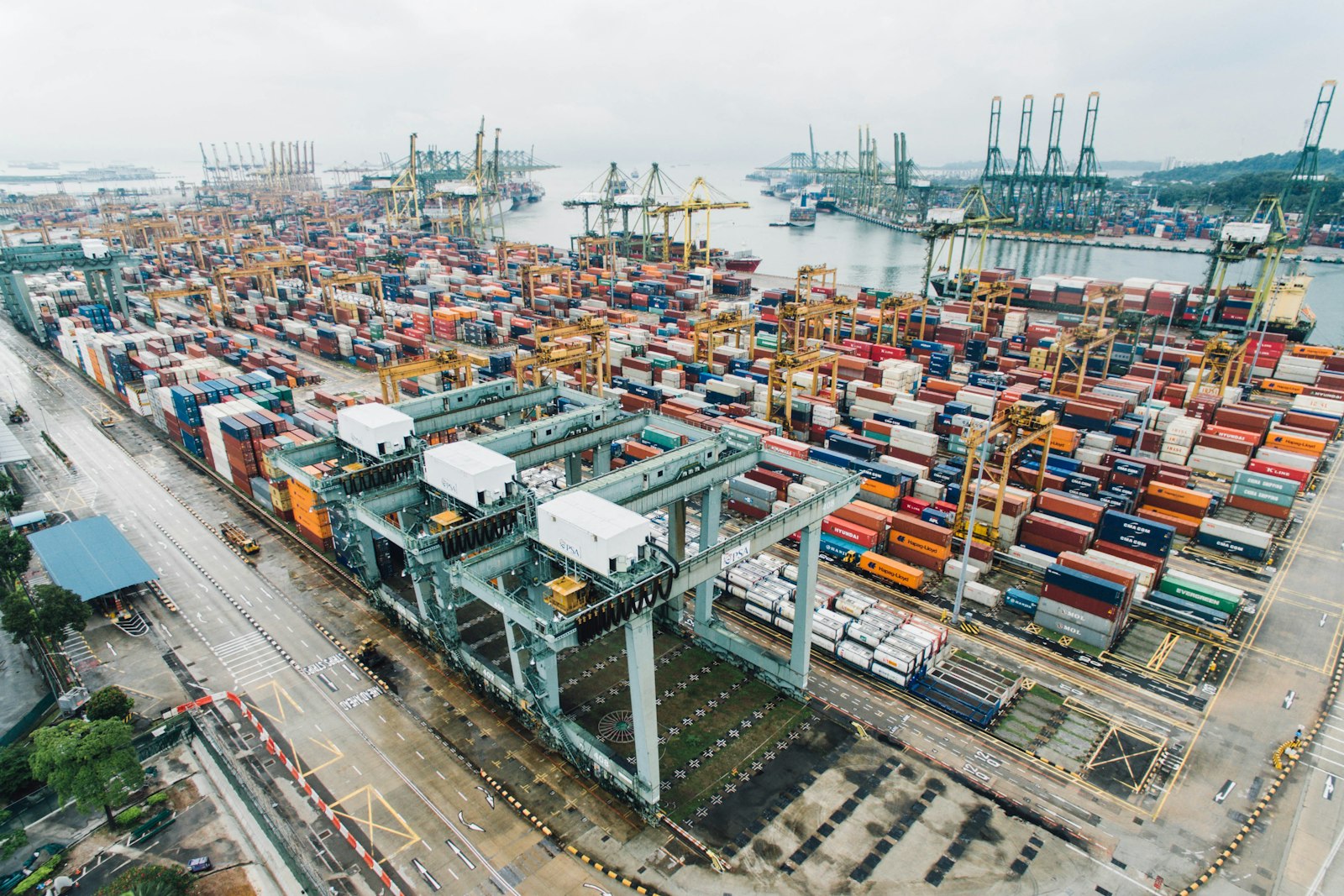
Transportation
Transportation consulting for reliable, cost-effective freight
We work lane and mode choices, carrier strategy, freight buying and service performance together, so changes show up as fewer expedites, more reliable delivery and lower cost per unit.
Carrier scorecards and contracted terms give your team a fact base for every award and renewal. Where the engagement calls for it, we include rail, intermodal and bulk options in the same total cost-to-serve comparison.
Warehousing
Warehouse consulting and logistics optimization
Inside the building we work slotting, dock flow, labor practices, fulfillment and inventory accuracy. Better use of the space and capacity you already have tells you whether, when and where expansion is actually needed.
Warehouse optimization connects directly to network design, cost to serve, on-time in-full delivery and the cash tied up in inventory.
How we work with your team
From logistics assessment to sustained performance
Analyze, Implement, Sustain: we agree the baseline and business case, change lanes and site practices with your teams, then establish daily management.
01 / Analyze
Baseline the network.
We measure the buildings, lanes and carriers you already run against real demand and real service. Together we agree the implementation roadmap and a financial business case defining investment, benefits and return.
One baseline. One roadmap.
02 / Implement
Change the flow.
We work shoulder-to-shoulder with your logistics and transportation teams to move freight differently — network and slotting changes, carrier and lane strategy, dock and labor practices — measured as it lands, not after.
Lanes moved. Benefits tracked.
03 / Sustain
Keep it running.
Carrier management, network planning and daily management routines become your cadence. The TVO Control Tower™ and tailored governed agents surface drift in rate, service and flow before it costs a customer.
Named owners. Capability that stays.
What your team keeps: carrier management, network planning, performance reviews and trained owners. Where freight and storage costs start upstream, we connect the work to strategic sourcing and procurement and integrated planning.
Where we focus
- Network design & footprint
- Warehousing & distribution centers
- Transportation & lane design
- Carrier strategy & freight buy
- Fulfillment & last mile
- Rail, intermodal & bulk
Combined Intelligence / Human-led. AI-enabled.
Combined Intelligence across the logistics network
Through Maine Pointe's Combined Intelligence model, AI goes where service and freight cost are actually decided: at the dock, in the freight buy, and across the lanes you run every day—and we train your people to run it.
Examples include freight invoice checks, current carrier scorecards, disruption alerts and network scenarios built on your own data. The TVO Control Tower™ and governed agents work under human oversight: your team decides what to move, and continued agent support is available through an agreed subscription.
01 / Dock & shift handover
Every shift starts knowing what the yard already knows.
Supervisors open with an AI-prepared brief: what is inbound, what is running late, which doors and crews are exposed. Handovers stop depending on memory, and Combined Intelligence carries across shifts instead of walking out the gate.
02 / Freight that questions itself
Rates and lanes tested continuously, invoices checked before they are paid.
Agents test the market for a better option on the lanes you actually run and validate freight invoices against contracted terms. Your freight team decides what to move; nothing books itself.
03 / Carrier truth, kept current
Scorecards that update as service happens.
On-time performance, damage, claims and tender acceptance stay current, so every carrier review starts from evidence rather than a quarterly rebuild of the spreadsheet.
04 / Exceptions before customers notice
Disruption routed to a named owner, with options attached.
Detection flags the delayed lane, the closed dock or the missed window and routes it with the alternatives that would still hit the commitment. A service failure becomes a decision instead of a discovery.
05 / Network answers in minutes
Ask what a change would cost before you commit to it.
A new node, a volume surge, a mode shift or a tariff change modeled on your own data — cost to serve, service and cash side by side, so the network conversation happens in one meeting instead of one quarter.
Always-on Move agents
Freight Intelligence
Tests rates and lanes for a better option.
Freight Audit
Validates invoices before they are paid.
Carrier Intelligence
Keeps carrier scorecards current.
Network Intelligence
Examines flow and node design across the network.
Exception & Disruption Intelligence
Detects disruption and routes the exception.
Always-on Fulfill agents
Labor Intelligence
Plans workforce against expected volume.
Inventory Integrity
Watches accuracy and cycle-count discipline.
Fulfillment Performance
Tracks order throughput through the building.
OTIF & Service Intelligence
Monitors on-time, in-full delivery performance.
Cost-to-Serve Intelligence
Shows profitability by customer.
What stays with you
A network your team runs without us.
Visibility that stays
The TVO Control Tower™ connects lane, node, carrier and fulfillment performance so leadership sees where service is slipping.
Intelligence in the workflow
Tailored TVO Always-On™ agents keep watching freight rates, invoices, carrier scorecards, exceptions and inventory integrity—with human oversight and agreed limits.
A team equipped to lead
Carrier management, network planning and daily management routines transfer capability to your people. We train your assets: your people and your network.
What clients say
“Maine Pointe's industry and subject matter experts identified significant savings across the workstreams. At the conclusion of our 28-week engagement we achieved savings at the high end of the targeted range while dramatically enhancing the customer experience.”
Dawn Phillipson · CFO, Arhaus
Featured success stories / Logistics & transportation
Logistics improvements demonstrated in client results
Featured / Energy transportation network
The constraint: a battery maker for electric transportation questioned whether its own logistics could do better. What changed: a capability, capacity and cost assessment of expanding existing transportation facilities or building new, renegotiated rail and truck terms, and implementation plans for training, CAPEX and vendor changes. Verified outcome: $19.2M annualized savings, 7:1 ROI, 75% lower greenhouse gas emissions, with minimum impact on suppliers and customers.
Read the story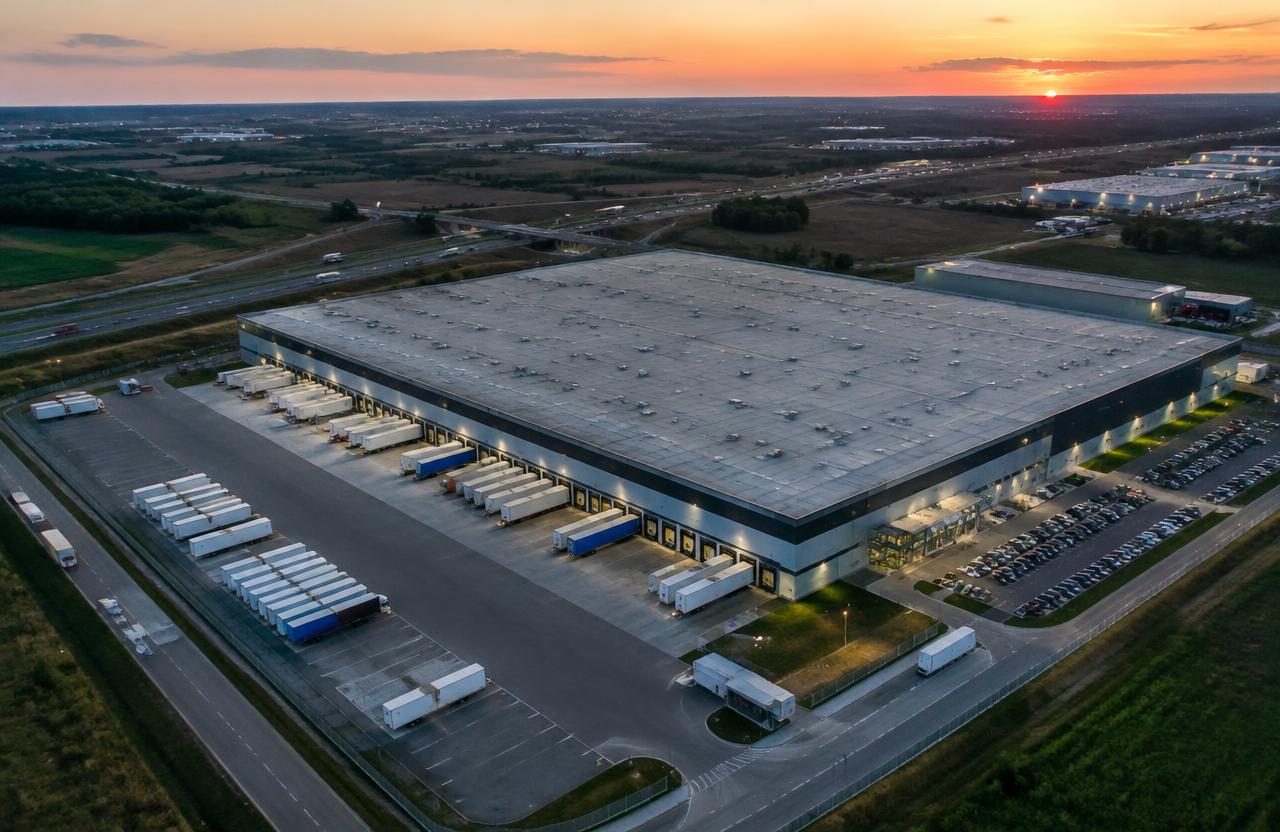 Consumer Goods & Packaging
Consumer goods & packaging company
Optimizing distribution center network to lower operational costs and improve on-time fulfillment
$11M in annualized benefits.
Read the client story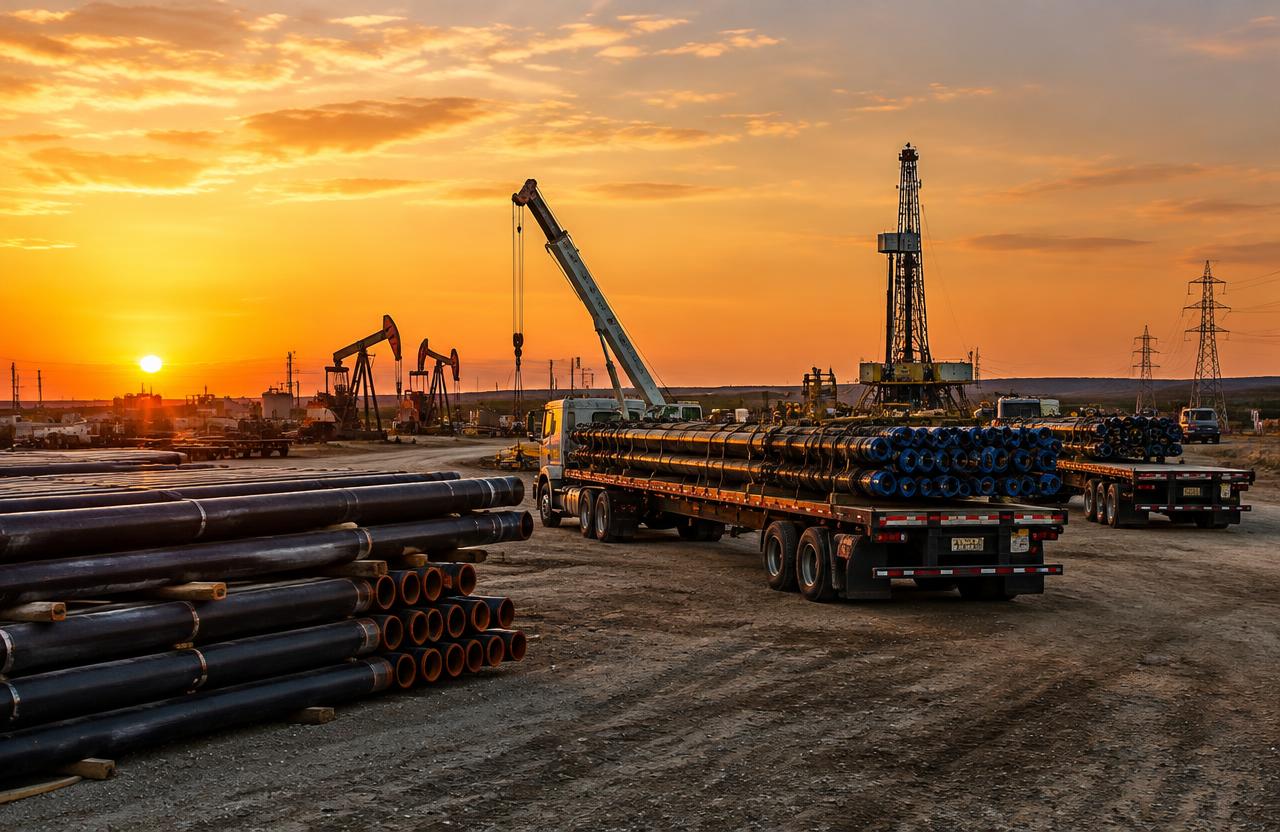 Energy
 company
Driving strategic, sustainable savings in procurement and logistics
$17 million in annualized benefits, an average of 15% savings on addressed categories.
Read the client story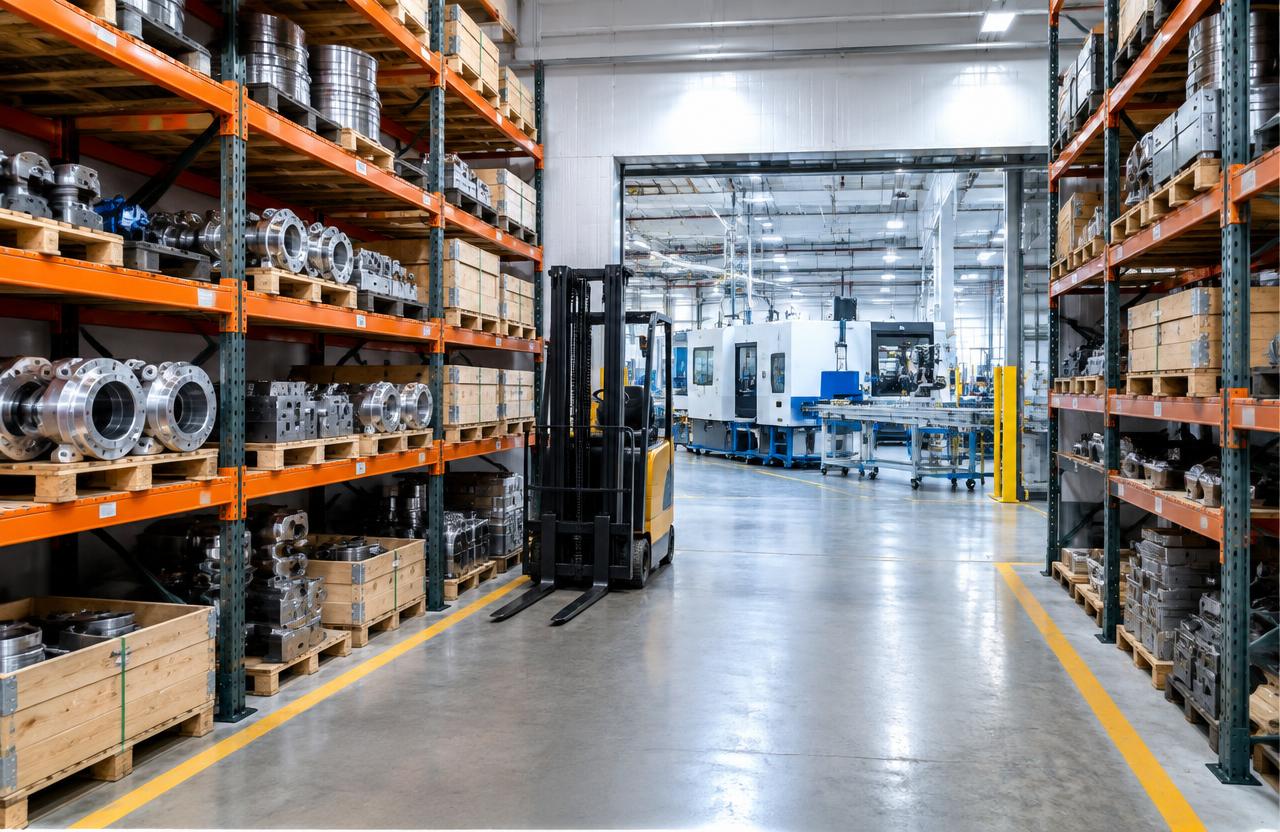 Industrial Manufacturing
Industrial manufacturer
De-risking and rebalancing the supply chain and operations footprint while releasing cash and improving profitability
Positioned client to yield up to 12% EBITDA improvement post-transition.
Read the client story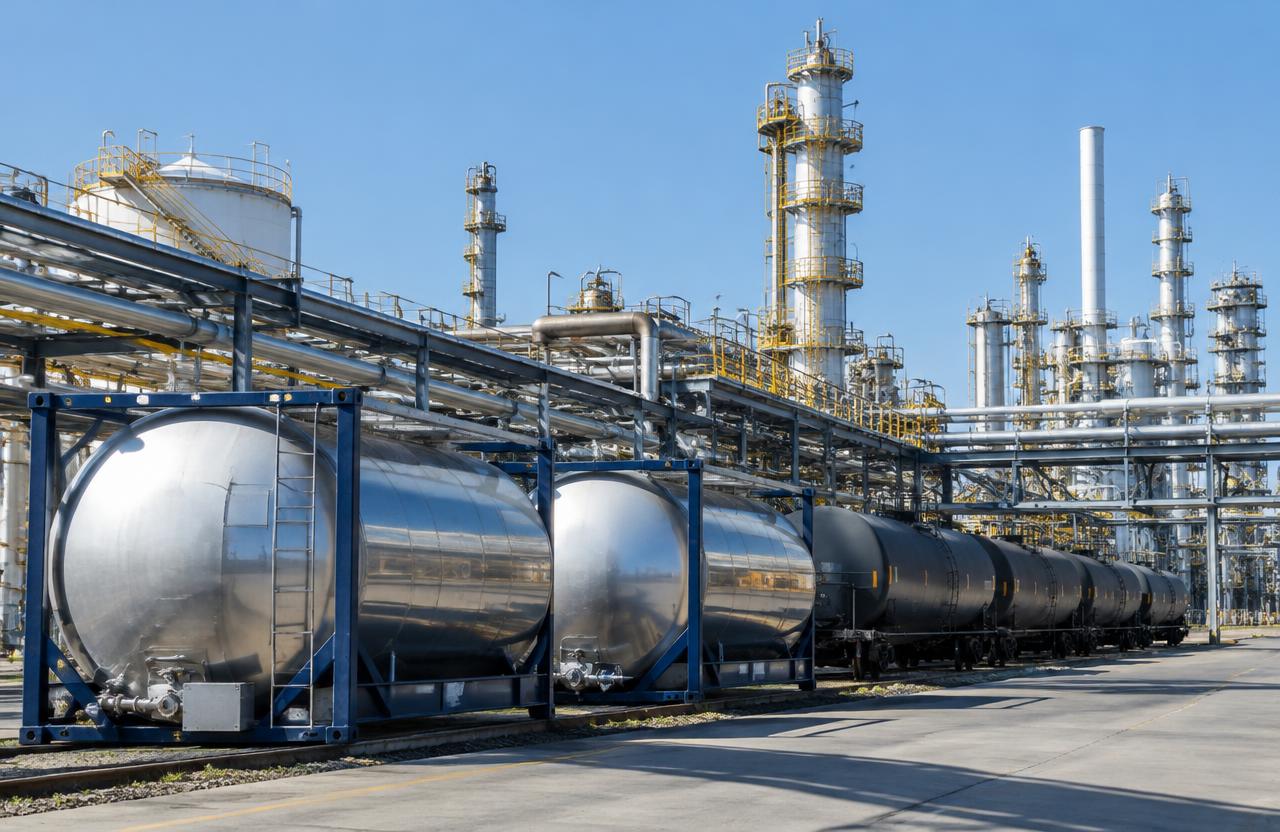 Chemicals & Specialty Materials
Chemicals & specialty materials company
Gaining near real-time visibility into logistics
Provided “One version of the truth”.
Read the client story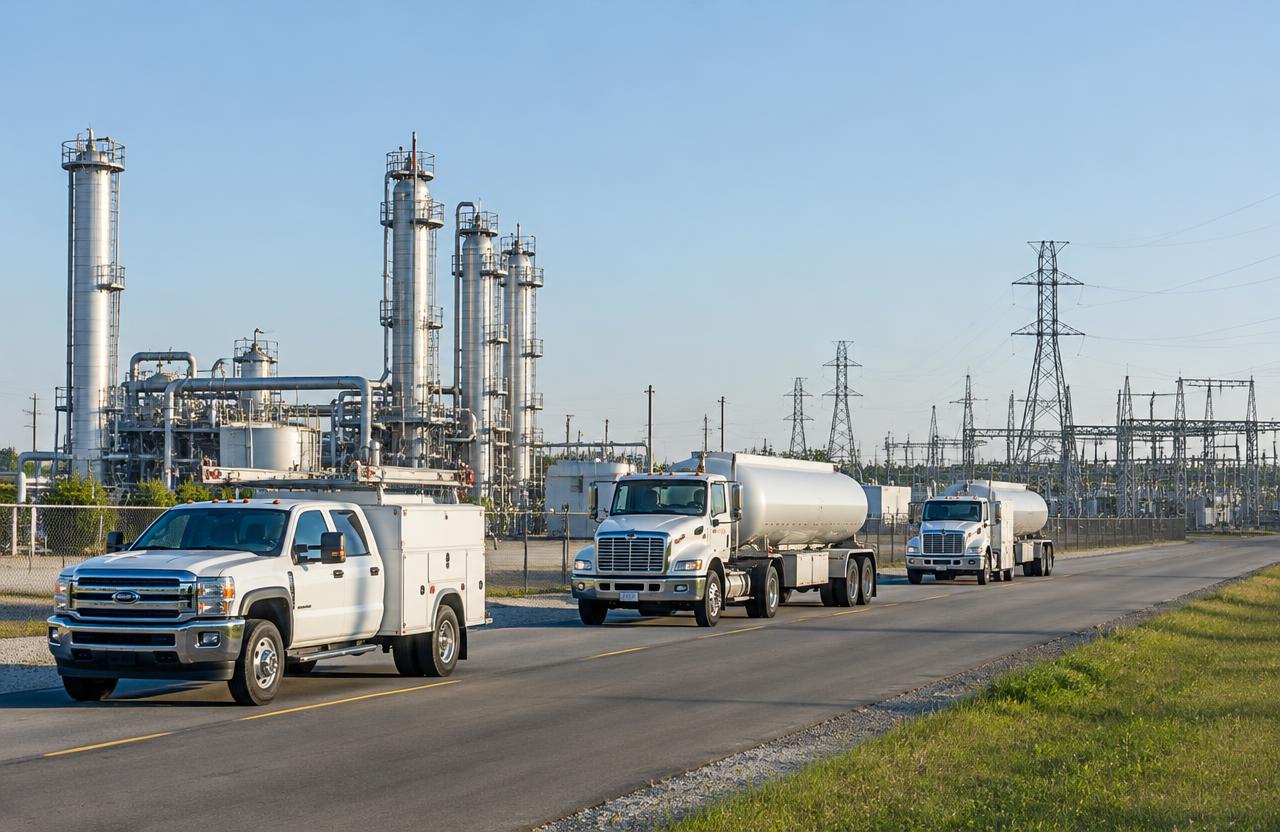 Energy
 company
Providing $19.2M annualized savings and lowering greenhouse gas emissions 75%
Delivered $19.2M annualized savings.
Read the client story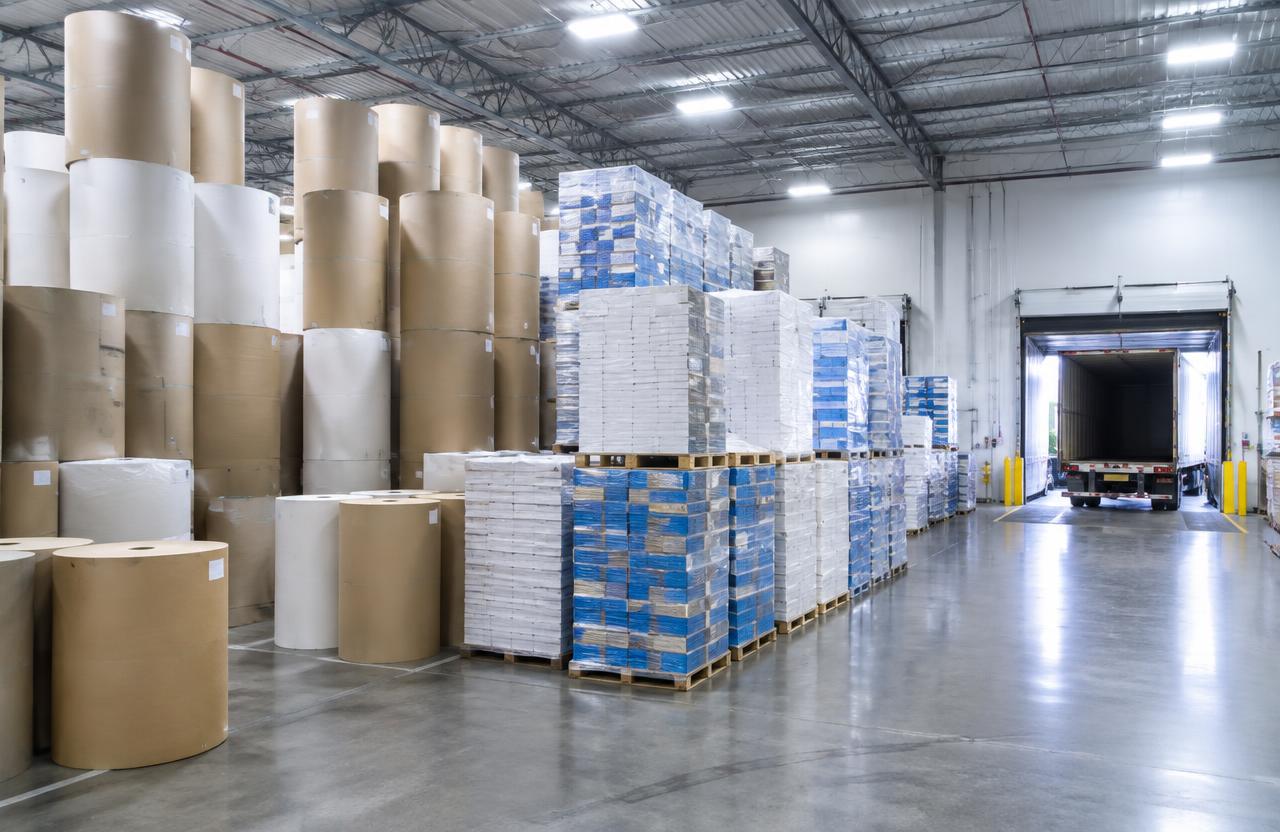 Distribution
Paper distribution company
Generating significant measurable cost savings in a challenging market
Generated 11% cost savings on largest growth category for the business.
Read the client storyInsights / The operating perspective
The thinking behind the execution.
Operations
The ABCs of Efficiency: How Smart Inventory Control Transforms Warehouses
Why segmented inventory policies still beat blanket safety stock — and what AI changes about the math.
Gerald VonFeldt · 6 min
Read articleSustainability
Carbon Math: Designing Networks for the Next Decade
Why network design and decarbonization are the same project — and how to fund both.
Andrew Rader · 6 min
Read articleReshoring
US Manufacturing: The timeline for reshoring just became now.
FCC Covered List and U.S. Department of War requirements accelerate the push to reshore manufacturing.
Joseph Esteves · 5 min
Read articleYour questions, answered
Logistics consulting questions
What is a logistics network optimization study?
A logistics network optimization study baselines how your warehouses, lanes and carriers perform against actual demand and service, tests alternatives such as different node locations, modes or flows, and builds the business case for the best option. Maine Pointe's Network Assessment does this on the network you already run, then pairs the business case with a joint implementation roadmap.
What data does a logistics assessment need, and how are trade-offs evaluated?
Typically shipment and order history, freight invoices and rates, carrier performance, warehouse capacity, labor and inventory data, and service measures such as on-time in-full. Warehouse, freight and service options are compared on total cost to serve against an agreed service baseline, so a cost saving that would break service is visible before it is chosen.
What is logistics optimization consulting?
Logistics optimization consulting helps a business improve how goods move and are stored: network design, warehousing and distribution centers, transportation and lane design, carrier strategy, fulfillment and last mile. Maine Pointe combines that analysis with hands-on implementation alongside your teams and capability building, so improvements reach the P&L and hold.
Where should we start with logistics?
Start with a Network Assessment. Maine Pointe baselines the buildings, lanes and carriers you already run, finds where service actually breaks, and sizes what fixing it is worth before any capital or lease decision. Scope and commercial terms are agreed with your team.
How do you improve on-time in-full delivery?
We locate the failures by lane, node and customer rather than in aggregate, then work the causes: slotting and pick flow, dock and labor practices, carrier selection and tendering, and the planning inputs that create the commitments. Each change is tracked against an agreed service baseline with a named owner.
Can we handle more volume without a new distribution center?
Often, yes. Many networks carry capacity in cube, dock doors, labor hours and lane slots that has not been counted against real demand. The Network Assessment establishes how much the current network can carry before an investment decision is made.
What savings can we expect from logistics work?
Clients typically find 10–20% in cost savings and cash flow improvements across warehousing and logistics workstreams. The Network Assessment sizes the opportunity on your own network before any commitment, and savings are tracked against a Finance-agreed baseline.
How do you reduce freight cost without hurting service?
By treating cost and service as the same decision. We price lanes and modes on total cost to serve, build carrier optionality before rates move, and remove the expedites and split shipments that service failures create. Savings are tracked against a Finance-agreed baseline.
How do you use AI in logistics?
Through Maine Pointe's Combined Intelligence model, AI supports freight rate and lane testing, invoice audit, carrier scorecards, disruption and exception detection, network scenario modeling, and fulfillment and inventory visibility. Experienced operators interpret the output and your team keeps decision authority. Tools and governed agents are tailored to your data, priorities and AI maturity.
How do logistics improvements last after the engagement?
We transfer carrier management, network planning and daily management routines to your people with named owners and a performance cadence. The TVO Control Tower™ and tailored TVO Always-On™ agents support ongoing visibility across Move and Fulfill. Continued agent support is available through an agreed subscription.
How do Maine Pointe fees work?
Every engagement is built around guaranteed performance. Depending on the client, that can be a full investment guarantee, a base fee plus incentives, or a smaller base fee plus a share of savings as they land. Measures and terms are agreed in the engagement agreement.
What is a logistics network optimization study?
A logistics network optimization study models your warehouses, plants, lanes and customers to find the footprint and flows that meet service targets at the lowest total cost. It tests scenarios such as adding, closing or resizing sites and changing modes, so leaders can compare options before committing capital. At Maine Pointe it starts with a Network Assessment.
Your next step / Network Assessment
Bring the volume plan. We'll prove the network.
Start with a Network Assessment. Together we'll establish the baseline, find where service breaks and size what it's worth to your growth.
Request a Network Assessment