

Industries / Aerospace & Defense
Aerospace & Defense Consulting
Build the ramp you can deliver.
Your next build-rate commitment is only as real as the slowest qualified part behind it. Maine Pointe provides aerospace and defense consulting for the program leaders accountable for delivering qualified hardware: we test supplier readiness, factory capacity and quality release against the rate before you commit to it.
$20MSavings for a global A&D MRO company using data analytics, AI and category sourcing strategies
$11.3MAnnualized value for a PE-backed A&D component manufacturer moving from site-driven procurement to enterprise sourcing
In short
Maine Pointe is an aerospace and defense consulting firm that helps program, supply chain and operations leaders deliver qualified hardware at rate. We test supplier readiness, factory capacity and quality release before a build-rate commitment, then work alongside your team to close the gaps. The first step is the A&D Rate Readiness Assessment.
Trusted by aerospace & defense leaders.
A selection of the aerospace & defense companies we have served.











If you're the CEO
Test whether growth commitments rest on qualified supply and demonstrated production capability.
If you're the COO
Connect supplier recovery, factory constraints and quality release in one executable operating plan.
If you're the Private equity operating partner
Separate underwritable operational value from backlog that still depends on unresolved qualification or capacity risk.
What's changing in aerospace & defense
Where aerospace supply chains put program rates at risk
Strategy sets the ambition. Supply chain and operations decide whether it shows up in EBITDA, cash and growth. This is Total Value Optimization™ applied to your sector.
Rate plans meet sub-tier constraints
Higher build schedules expose limits in at the sub-tier capacity. A direct supplier's commitment is not evidence that its sub-tier suppliers can meet quality, quantity or timeline commitments.
Qualification limits sourcing options
Drawing approvals, first-article requirements and customer permissions make supplier changes harder than a sourcing event. Optionality must be developed before a shortage becomes urgent.
Defense demand competes for shared capacity
Commercial aviation, defense programs and space manufacturers draw on overlapping skills and suppliers. Aggregate demand can exceed capacity that looks adequate program by program.
Compliance must survive schedule pressure
Export controls, cybersecurity requirements and material traceability constrain how teams share information and move work. Expedites cannot bypass controlled processes.
Illustrative example
Trace one late part to the delivery date
Rate risk rarely announces itself at the final assembly line. It starts several tiers down and arrives as a missed delivery. Good aerospace supply chain management follows the part, not the purchase order.
01 / Sub-tier
A forging supplier two tiers down loses a heat-treat slot. Its customer's commitment date does not change on paper.
02 / Tier 1
The machined part arrives late and short of the yield the schedule assumed, so the shortage is now real.
03 / Quality release
Inspection and paperwork queue behind other expedites. The part is in the building but not yet acceptable.
04 / Delivery
The assembly ships incomplete or late. The program sees the miss weeks after the cause could have been fixed.
Where the value sits
How aerospace supply chains support the next build rate
Plan
Prove rate readiness
Translate program demand into part requirements, then compare each against qualified capacity and explicit recovery assumptions.
Buy
Secure qualified supply
Assess sole-source exposure, sub-tier dependencies and commercial terms alongside qualification paths.
Make
Release the real constraint
Find the slowest operation, then address the tooling, skills, rework and special-process queues that limit accepted hardware per shift.
Move
Protect controlled flows
Coordinate transport, export permissions and chain-of-custody records for critical assemblies and materials.
Fulfill
Deliver complete, accepted hardware
Align configuration, documentation, customer acceptance and shipment commitments rather than counting unfinished units.
Recover the supplier, or qualify an alternate?
Recover the current supplier
Usually faster when the constraint is capacity, skills or tooling. Requires on-site support, clear recovery milestones and visibility of the supplier's own sub-tiers.
Qualify an alternate source
Builds lasting optionality but takes engineering, first-article and customer approval time. Best started before the shortage, not during it.
Either way, the slowest link in the supplier chain sets the throughput rate. Adding capacity at the wrong point in the chain adds inventory, not deliveries.
Your entry point
A&D Rate Readiness Assessment
Establish which program commitments the current supply chain can support and which decisions need executive action.
Request the A&D Rate Readiness AssessmentProgram-to-part exposure map. Trace delivery commitments to critical parts, sub-tier dependencies and qualified sources.
Demonstrated capacity baseline. Compare required output with observed production, yield, staffing and quality-release performance.
Recovery and optionality decisions. Evaluate supplier development, inventory, alternate qualification and make-or-buy choices.
Owned execution roadmap. Assign accountable leaders, decision gates and operating measures to prioritized actions.
Featured success stories / Aerospace & Defense
Client results and related reading
 Aerospace & Defense
PE-backed A&D component manufacturer
$11.3M annualized value in A&D
From site-driven procurement to enterprise strategic sourcing.
Read the client story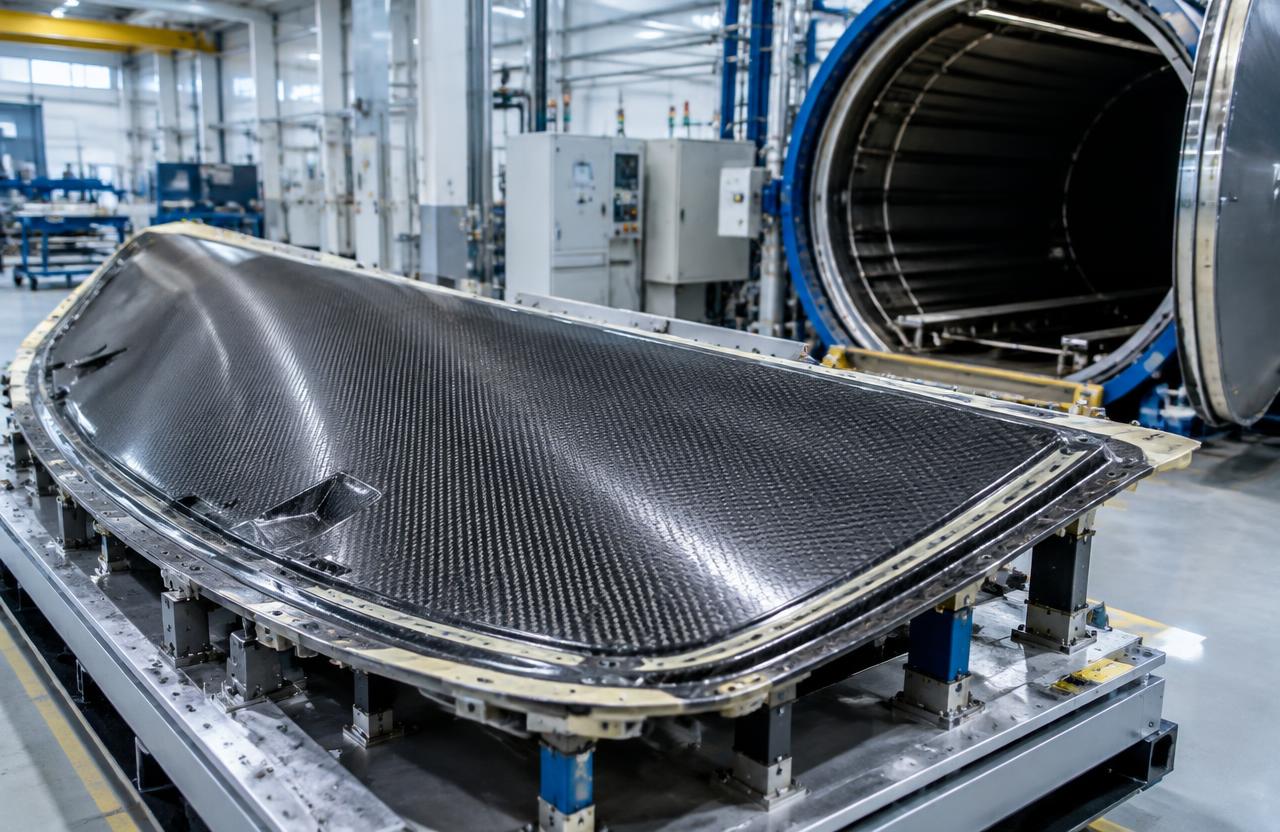 Aerospace & Defense
Composite parts carve-out
Productivity, organizational and procurement gains
Composite parts carve-out transformation.
Read the client story Aerospace & Defense
Global A&D MRO company
Using data analytics, AI, and category sourcing strategies to unlock savings, operational clarity, and role definition
$20.4M in annual cost savings.
Read the client story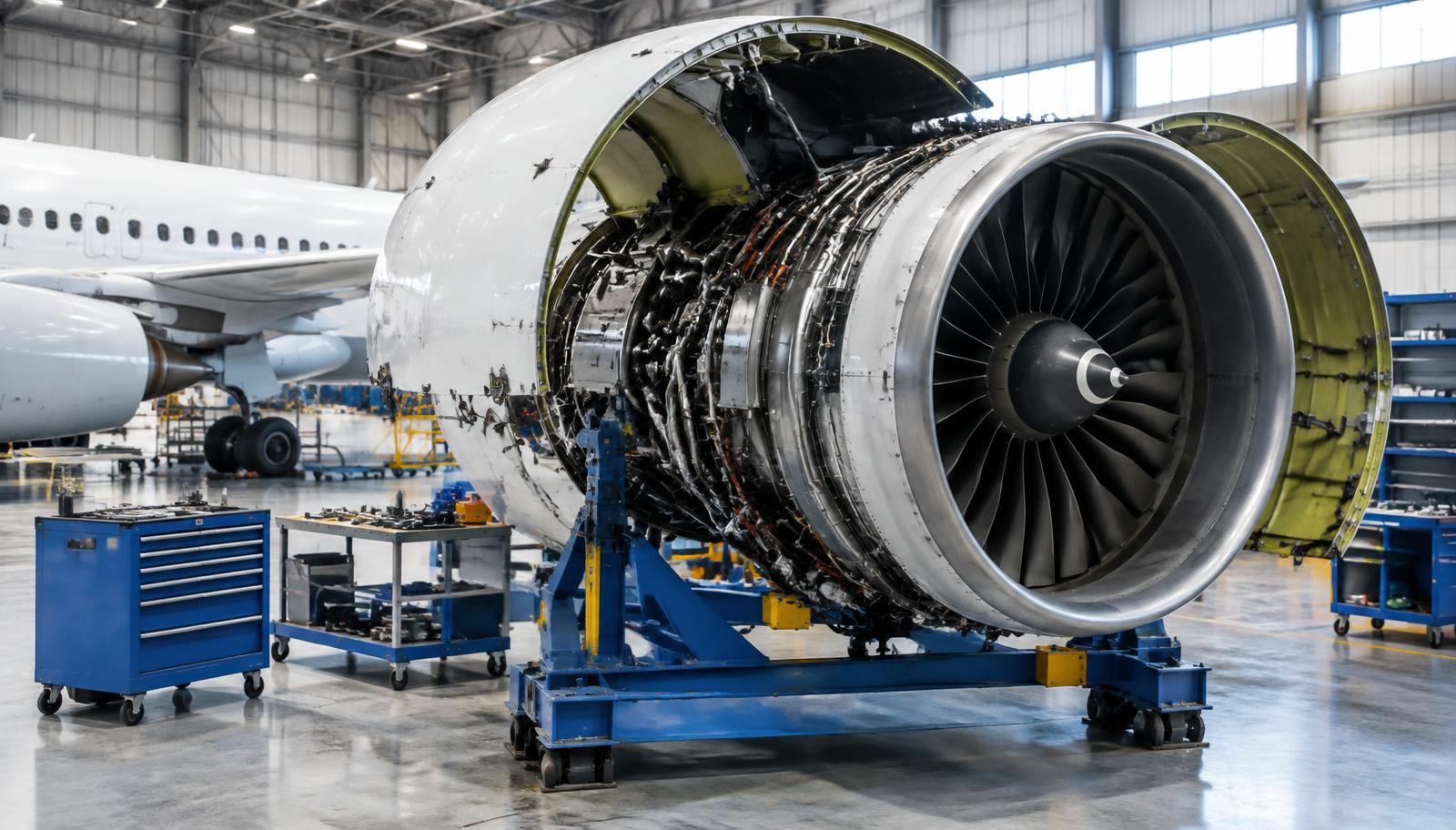 Aerospace & Defense
Aerospace & defense company
Driving growth with an integrated procurement approach
11% savings against total addressable spend, including raw materials, outside services, tooling, logistics, and maintenance, repair, and overhaul (MRO).
Read the client story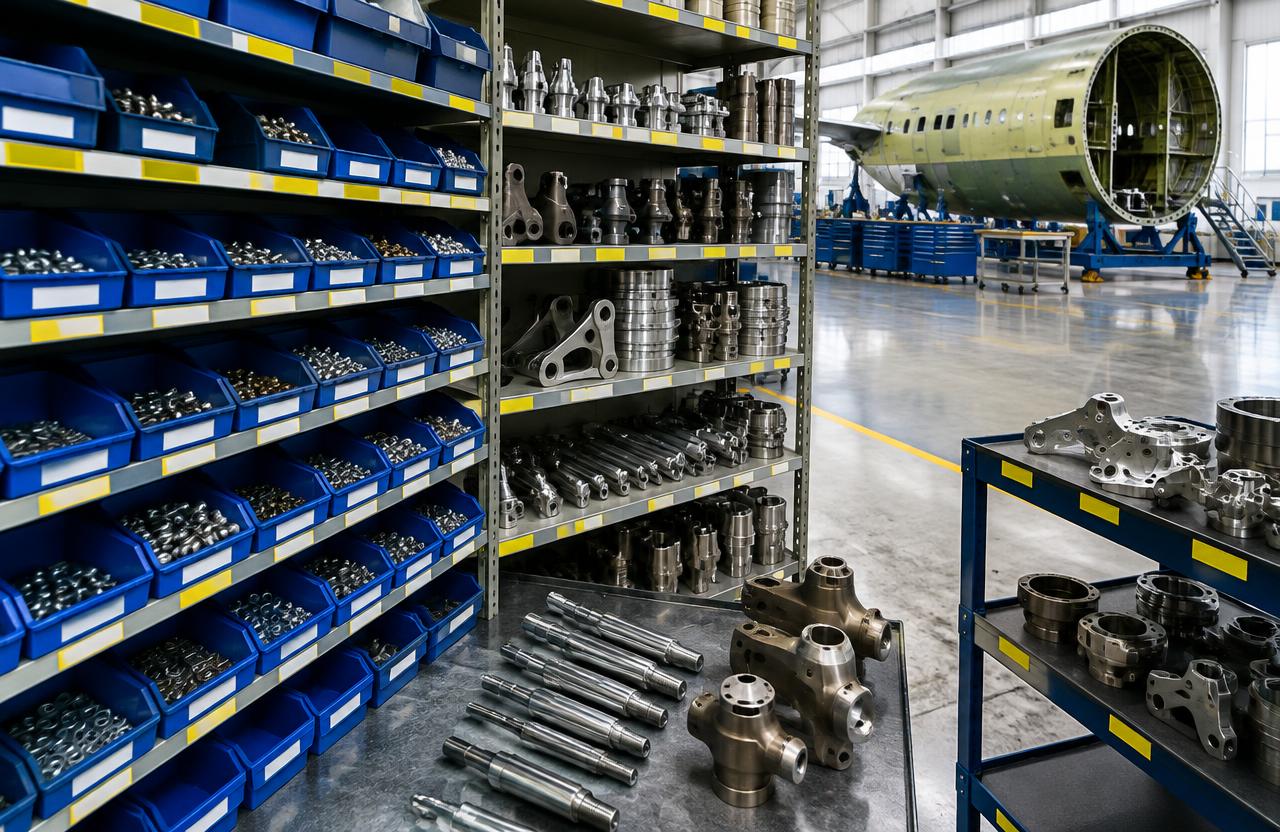 Aerospace & Defense
Aerospace & defense company
Enabling margin growth and inventory management across a buy-and-build platform to achieve efficiency, productivity, and valuat…
Drove $10.9M in savings from $60M in major spend categories, a cost reduction of over 18%.
Read the client story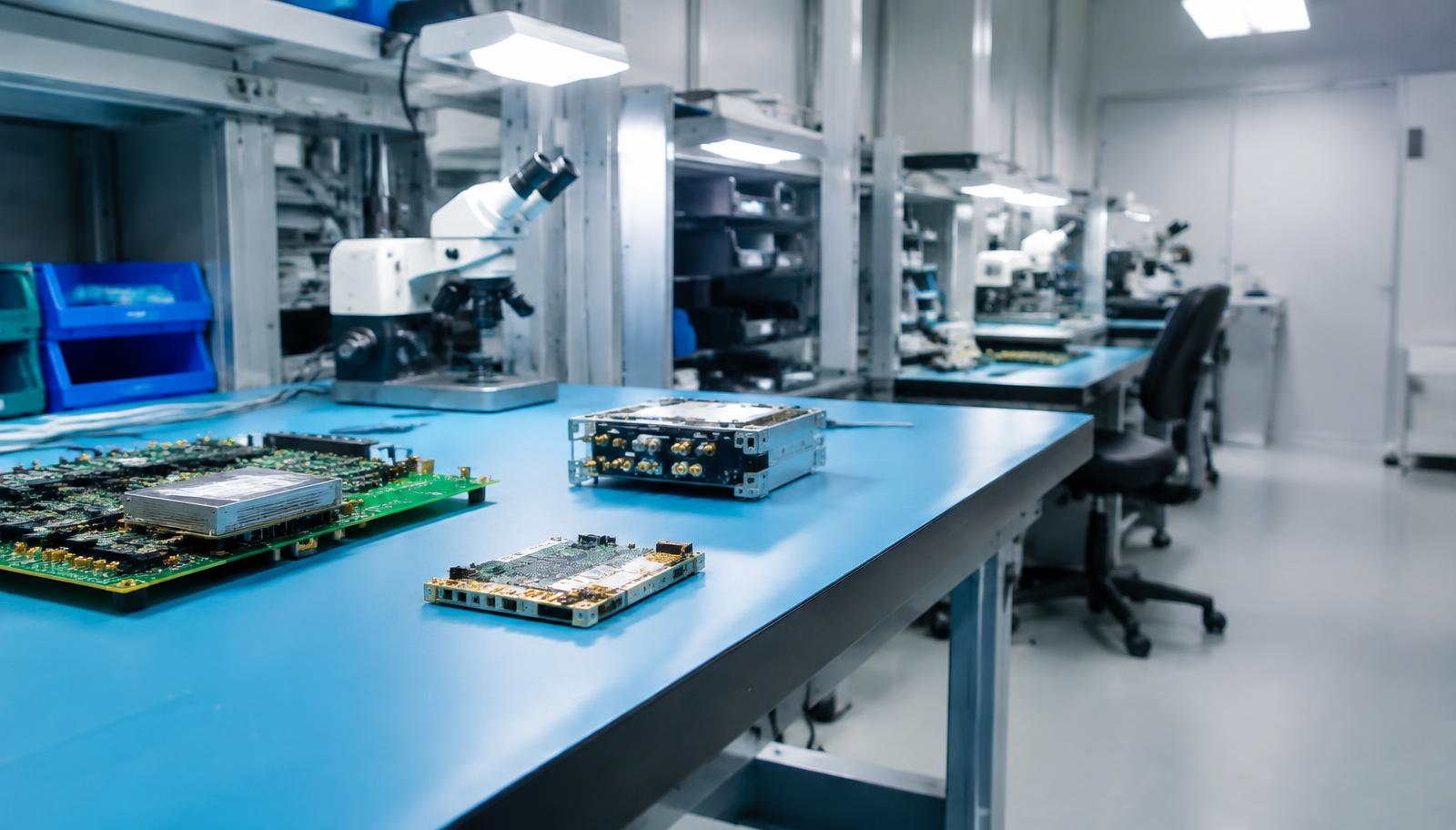 Aerospace & Defense
Aerospace & defense company
Accelerating throughput to meet increasing demand
Engaged over 90 personnel covering the entire, enterprise- wide value chain, including manufacturing, engineering, quality, production control, continuous improvement, program management, EHS, supply chain and technicians.
Read the client storyInsights / Aerospace & Defense
Thinking for aerospace & defense leaders.
Aerospace & Defense
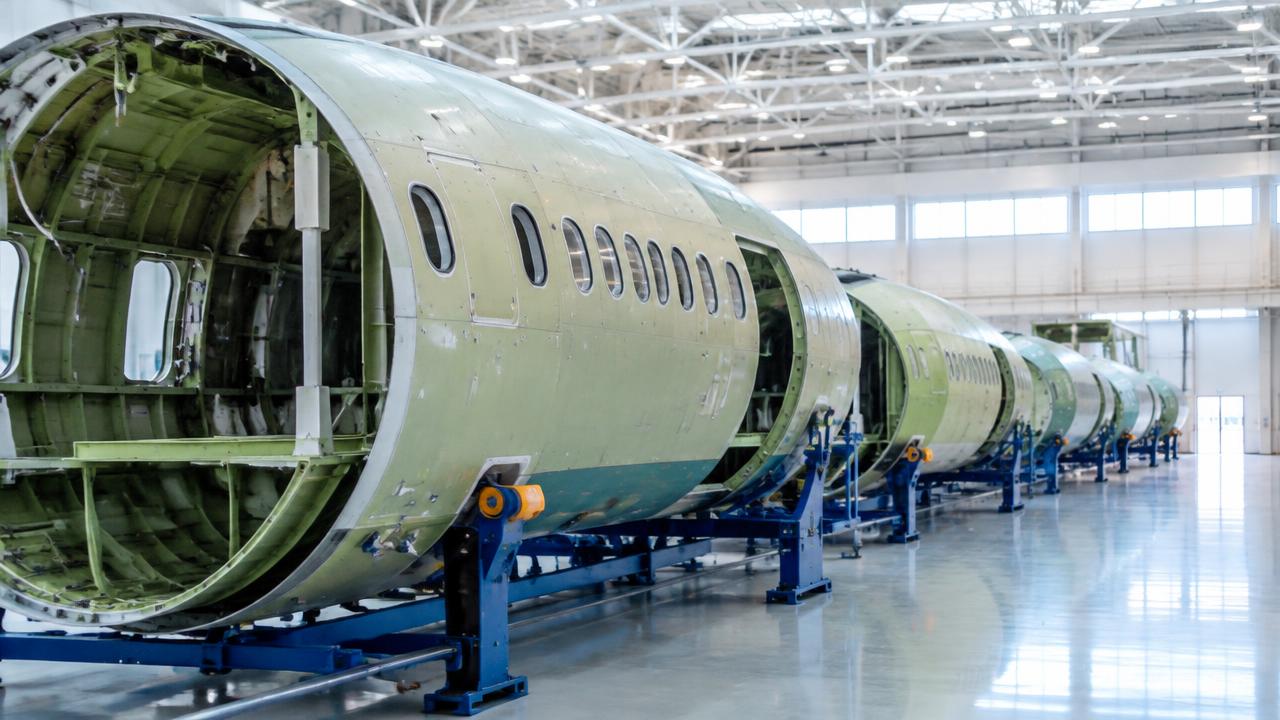
Rate readiness: why A&D supply chains break at the ramp
A supplier promise is not demonstrated capacity. Test the assumptions connecting program demand to accepted hardware.
Read article · 4 min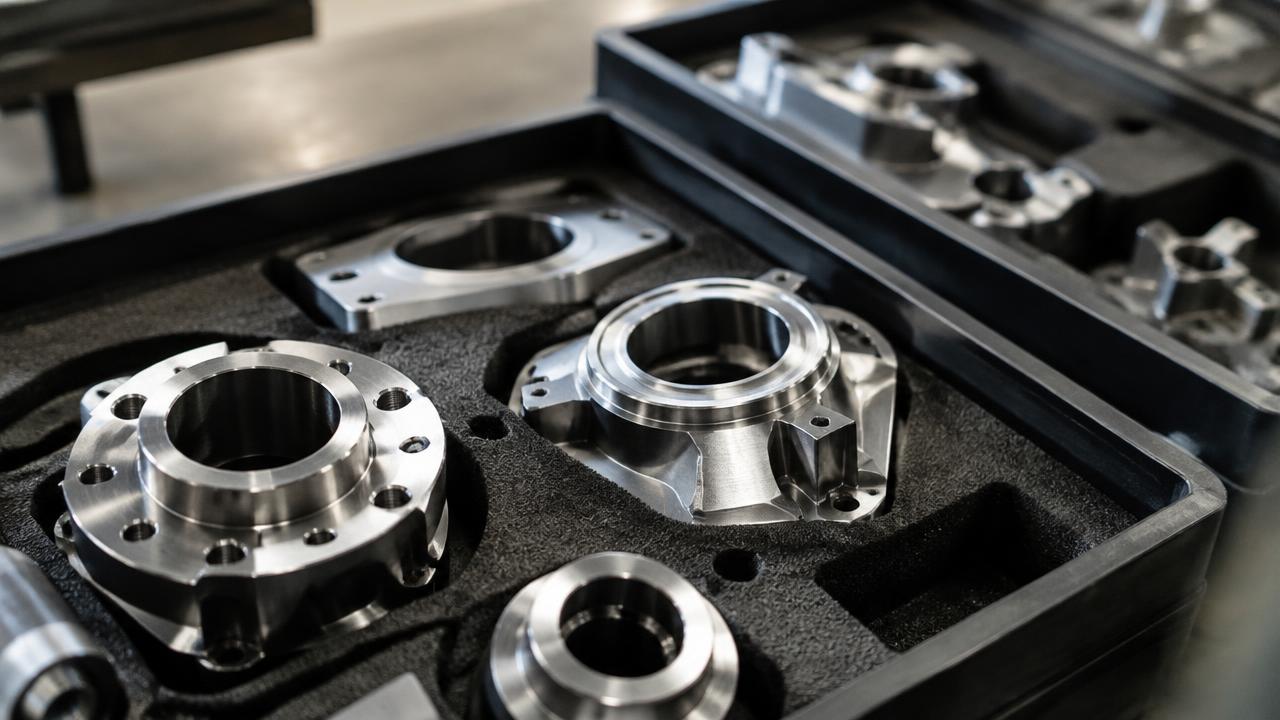
Aerospace & Defense
Single-source parts and the real cost of waiting
The alternative is not always a second supplier. It is an earlier, better-informed decision about qualified supply.
Read article · 4 min
Integrated Planning
S&OP vs. SIOP vs. IBP: which one does your business actually need?
The acronyms get used interchangeably, and the confusion costs companies money.
Read article · 4 minYour questions, answered
Frequently Asked Questions
What do aerospace and defense consulting firms do?
Aerospace and defense consulting firms help OEMs, defense primes and their suppliers deliver programs on rate, cost and quality. Maine Pointe focuses on the supply chain and operations side: supplier readiness, procurement, factory throughput and quality release, with results tied to the P&L.
How is defense consulting different from commercial aerospace work?
Defense consulting works inside tighter controls: export regulations, cybersecurity requirements, traceability and government contract terms limit how data is shared and how work can move. The supply chain questions are similar, but every recovery action has to respect those controls.
What does an aerospace supply chain consulting firm do?
Aerospace supply chain consulting connects program demand, supplier capability, procurement and factory execution. Maine Pointe helps leaders assess rate readiness, address constrained parts and build operating routines that support delivery while respecting quality and compliance requirements.
How do you assess aerospace production rate readiness?
Compare required output with demonstrated capacity at the supplier and plant. In practice, that means part-level demand against demonstrated qualified output, including yield, staffing, tooling, sub-tier capacity and quality release. Identify unsupported assumptions and assign recovery actions before increasing the production schedule.
Can a sole-source aerospace part be dual-sourced?
Sometimes, but commercial availability is not the same as an approved production source. Engineering, quality and customer requirements determine the qualification path. Supplier development or a controlled inventory buffer may be more practical while an alternate is evaluated.
How does TVO apply to aerospace and defense?
Total Value Optimization™ (TVO™) connects planning, procurement, operations and logistics instead of improving each function separately. In aerospace and defense, that means testing sourcing savings against qualification, throughput, working capital and program delivery.
Can AI make aerospace sourcing decisions?
AI can surface patterns and compare scenarios, but it should not authorize engineering changes or supplier approvals. Maine Pointe's Combined Intelligence model is human-led, AI-enabled. Accountable client leaders make the final decisions within security and compliance requirements.
Where should an aerospace supply chain improvement start?
Start with the A&D Rate Readiness Assessment. It connects program commitments to qualified supply and observed factory capability, then establishes an owned execution roadmap. The TVO Control Tower™ can support decision visibility and follow-through.
What results do aerospace and defense consulting engagements deliver?
Aerospace and defense consulting engagements are judged on measured EBITDA, cost and cash results. Published results include $20M in savings for a global A&D MRO company, $11.3M in annualized value for a PE-backed component manufacturer and a 31% productivity improvement in a high-tech defense environment. Results vary by starting point, so the A&D Rate Readiness Assessment sizes your opportunity before work begins.
How long does a aerospace and defense improvement program take?
A aerospace and defense improvement program starts with the A&D Rate Readiness Assessment, which takes weeks rather than months. Implementation is phased by priority, so first savings are tracked as they land while larger changes continue over the following months.
How do you choose a aerospace and defense consulting firm?
To choose a aerospace and defense consulting firm, look for published results in your sector, people who implement alongside your teams rather than only advising, and fees tied to measured outcomes. Maine Pointe has completed 550+ engagements since 2004 and offers guaranteed performance.
Start your A&D Rate Readiness Assessment.
Tell us what you need to move. A partner with sector experience will come back to you within one business day.
Discuss your A&D Rate Readiness Assessment