
Expertise / Data, analytics & AI
Supply Chain Analytics Consulting: Data, Analytics & AI
Model the network, tariff, inventory or capacity decision first, and see what it does to EBITDA, cash, service and risk before you commit.
$10M+annualized benefitfrom a supply chain digital twin for an agriculture leader
In short
Maine Pointe's data, analytics and AI practice builds models of your supply chain, including digital twins, network and footprint models and tariff scenarios, so leaders can test a decision before committing. It starts with a Decision Modeling Sprint priced in EBITDA, cash, service and risk.
Why modeling matters now
Supply chain analytics for decisions that change performance
Supply chain analytics turns the operating data you already hold into a model of how your business really runs. We check that model reproduces today's cost and service, run the scenarios leadership is weighing, and price each one in EBITDA, cash, service and risk. The output is a decision and the plan to implement it, not a report.
- A tariff change lands and nobody can say what it does to landed cost by SKU, lane and customer.
- The network was designed for the business you had ten years ago, and every new site gets added on instinct.
- Plant, warehouse and supplier data sit in different systems, so each big decision starts with a month of spreadsheets.
- Capital requests arrive with a single case and no view of the alternatives you didn't model.
What we model
Digital twins, network design and predictive analytics
Typical questions: should we serve the Southeast from one distribution center or two? What is our best response if tariffs rise on a key supplier country? How much inventory should sit where, given the demand we now expect?
What happens if we change this?
Supply chain digital twins
A working model of your plants, suppliers, lanes, warehouses and customers, built from your own data. Test a change on the model before you pay for it in the business.
What should our network look like?
Network design & optimization
Where to make, store and ship from, and which modes and lanes to use, balancing cost, service, risk and carbon. Built with partners including Sophus and Optilogic.
Where should we invest, and where should we exit?
Manufacturing & distribution footprint
Which sites to expand, consolidate, open or exit, and in what order, with the capacity, labor and capital each option really needs.
What do we do when the rules change?
Tariff & trade scenario modeling
Landed cost recalculated by SKU, supplier and lane under each tariff scenario, with the sourcing, routing and pricing responses priced side by side.
How much, where, and when?
Inventory & capacity optimization
Stocking levels, buffers and capacity set by the model rather than habit, so service improves without parking more cash.
Where is the value hiding?
Spend, cost & demand analytics
Spend cubes, cost-to-serve and demand signals in one place, with machine learning used where it beats a spreadsheet and plain analytics where it doesn't.
Digital twin
Always on. Always watching.
A digital twin that mirrors your living, breathing supply chain, monitors it continuously and simulates the response the moment something changes.
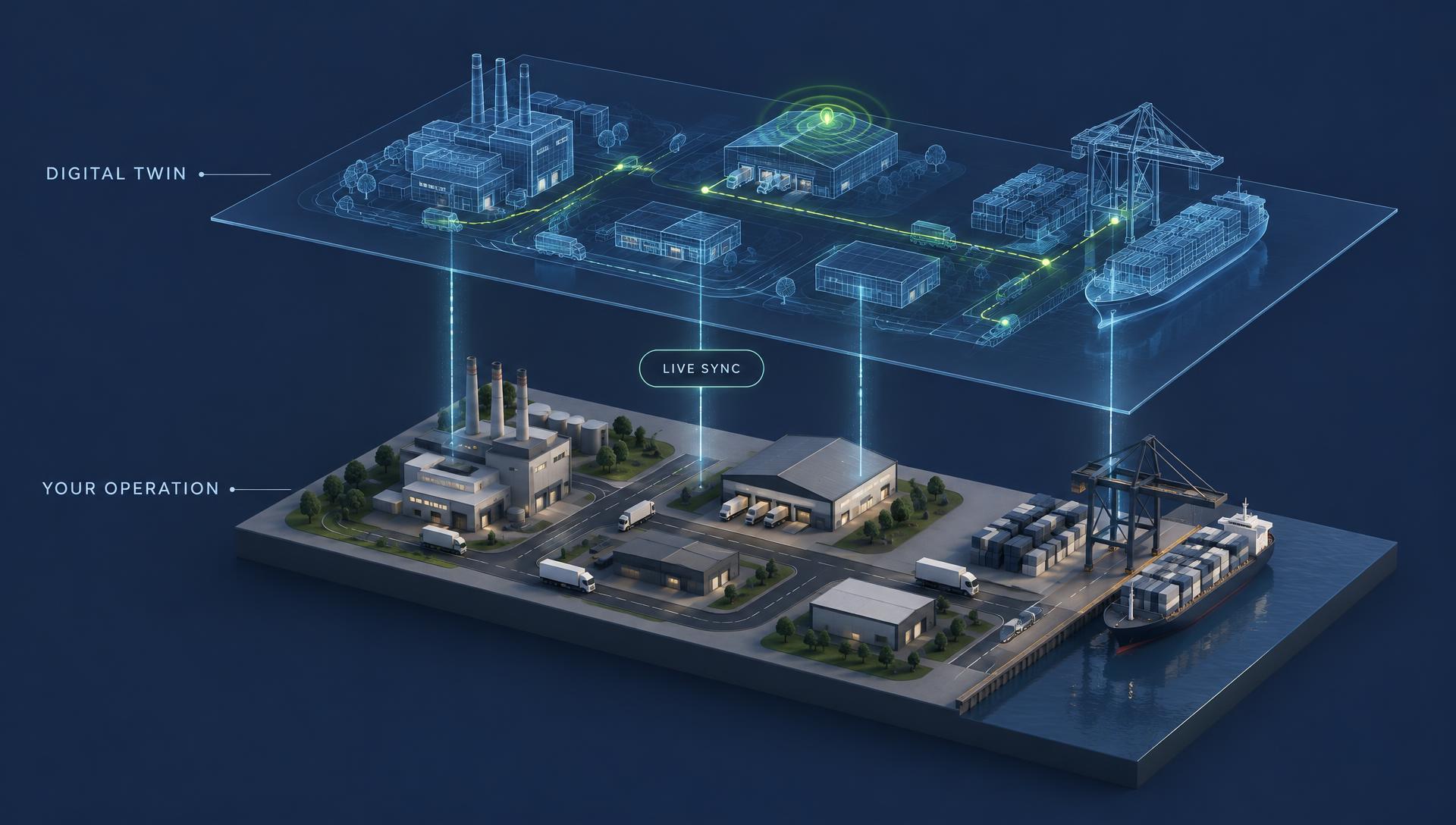
Illustrative animation, not client data.
How it works
How our supply chain analytics consulting works
The inputs are orders, shipments, spend, site capacities and finance data. We work with imperfect data and show where a gap lowers confidence in an answer, so you know which results are firm and which need more data.
- 01
Connect
Pull the data you already have from ERP, WMS, TMS, procurement and finance systems. No rip-and-replace.
- 02
Model
Build the digital twin or optimization model and check it reproduces today's cost and service before anyone trusts it.
- 03
Decide
Run the scenarios leadership actually faces, and price each in EBITDA, cash, service and risk.
- 04
Implement
Our operators deliver the chosen option, site by site and lane by lane, against the plan the model set.
- 05
Keep it live
The model moves into the TVO Control Tower™, where governed agents watch for drift and rerun scenarios as conditions change.
Combined Intelligence
AI for supply chain optimization, with human decisions
AI does the heavy lifting
Through Maine Pointe's Combined Intelligence model, AI speeds up data cleansing, spend and part classification, demand forecasting and scenario generation, compressing months of analysis into days.
Operators make the call
Experienced operators interpret every result and pressure-test it against how your plants, warehouses and lanes really run. Your team keeps decision authority.
Governed agents keep watch
Governed agents run inside your own workflows, watch for changing conditions and rerun scenarios. Agents act alone only on tasks you approved in advance.
The models we build and the training we give your team are yours to keep after the engagement. Ongoing agent monitoring is a separate subscription you can choose to continue.
Technology partners
The right platform for the problem.
We're platform-agnostic. We pick the modeling tool that fits your network, then bring the operators who make the answer real.
Sophus' cutting edge network modeling capabilities unlock cost optimization options within your distribution network.
Microsoft's cloud and AI ecosystem provides a secure, scalable foundation building secure, scalable data and agentic solutions.
Optilogic's network design platform lets us model, stress-test and optimize client supply chains before committing capital.



Where to start
Start with a Decision Modeling Sprint
Bring one decision you can't afford to get wrong: a tariff response, a site consolidation, a new distribution center, a network redesign. We build the model around it.
- A baseline model of the relevant network, validated against today's cost and service
- Three to five scenarios priced in EBITDA, cash, service and risk
- A recommended option with the implementation sequence behind it
- A view of which data and models are worth keeping live afterwards
Modeling is the front end of Total Value Optimization™: the answer feeds straight into logistics, operations, sourcing and planning work, and stays live in the TVO Control Tower™. For how AI runs across all of it, see Maine Pointe's Combined Intelligence model.

Questions
Supply chain analytics questions
What is a supply chain digital twin?
A digital twin is a working model of your supply chain, covering plants, suppliers, lanes, warehouses and customers, built from your own operating data. It lets leadership test a decision, such as moving production, adding a distribution center or responding to a tariff, and see the effect on cost, service and cash before committing.
How is this different from buying network design software?
Software builds the model. Maine Pointe brings the operators who know which scenarios matter, validate the model against reality and then implement the chosen option. We work with platforms including Sophus and Optilogic, so the tool fits the problem rather than the other way round.
Can you model tariff and trade scenarios?
Yes. We recalculate landed cost by SKU, supplier and lane under each tariff scenario, then price the responses side by side: alternate sourcing, routing, inventory positioning and pricing. The output is a decision, not just a report.
What data do you need to start?
Usually what you already have: shipment and order history, bills of material, supplier and spend data, site capacities and costs. We work with imperfect data and flag where gaps change the answer.
Where do AI and machine learning fit?
Through Maine Pointe's Combined Intelligence model, AI speeds up data cleansing, classification, forecasting and scenario generation, and governed agents keep models current after the engagement. Experienced operators interpret the results and your team keeps decision authority.
How does modeling connect to results?
Every model is tied to an implementation plan delivered through Total Value Optimization™. If the chosen option isn't reflected on the P&L, the work isn't finished.
How does supply chain analytics work?
Supply chain analytics brings together data from ERP, planning, procurement, transport and warehouse systems, cleans it into one baseline, and applies descriptive, predictive and optimization models. The output is a set of scenarios and recommendations, such as where to hold inventory or which network to run, priced in cost, service and risk.
How do companies use supply chain analytics?
Companies use supply chain analytics to redesign networks and footprints, model tariff and sourcing scenarios, set inventory targets, plan capacity, find spend savings and predict disruptions. The most valuable uses support a specific decision with a clear owner, rather than a dashboard nobody acts on.
Proof · Agriculture · Visibility
From modeled opportunity to operating results
Fragmented data to a digital twin of the supply chain
Unified data model and dashboards across the end-to-end supply chain, with continuous scenario modeling.
$10M+Annualized benefit
LiveEnd-to-end visibility
Featured success stories
Network design, footprint and data-led results.
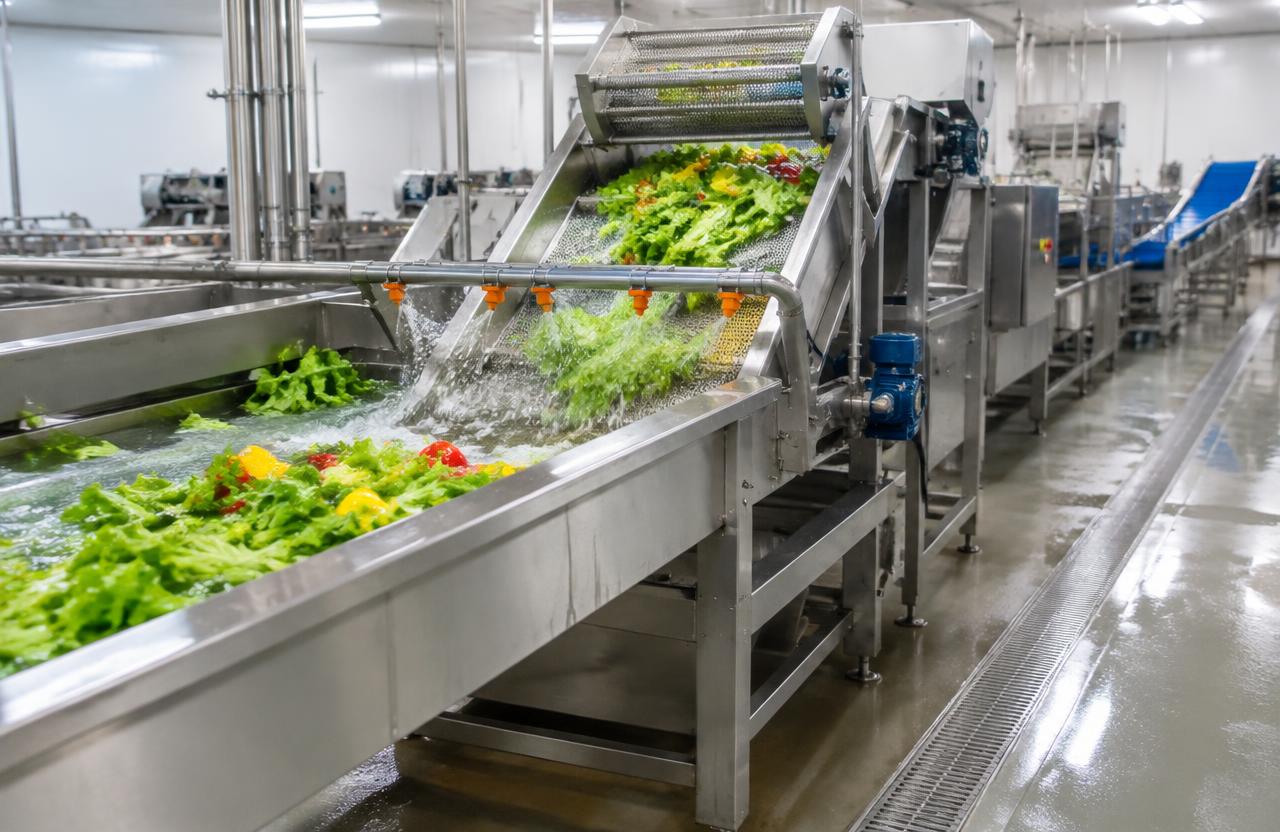 Agriculture & Food
Agriculture & food company
Uplifting processes, throughput, and data to support long-term goals
$7.2M annualized benefits.
Read the client story Agriculture & Food
Agriculture & food company
Using AI to accelerate value creation
Delivered $3M annualized benefits.
Read the client story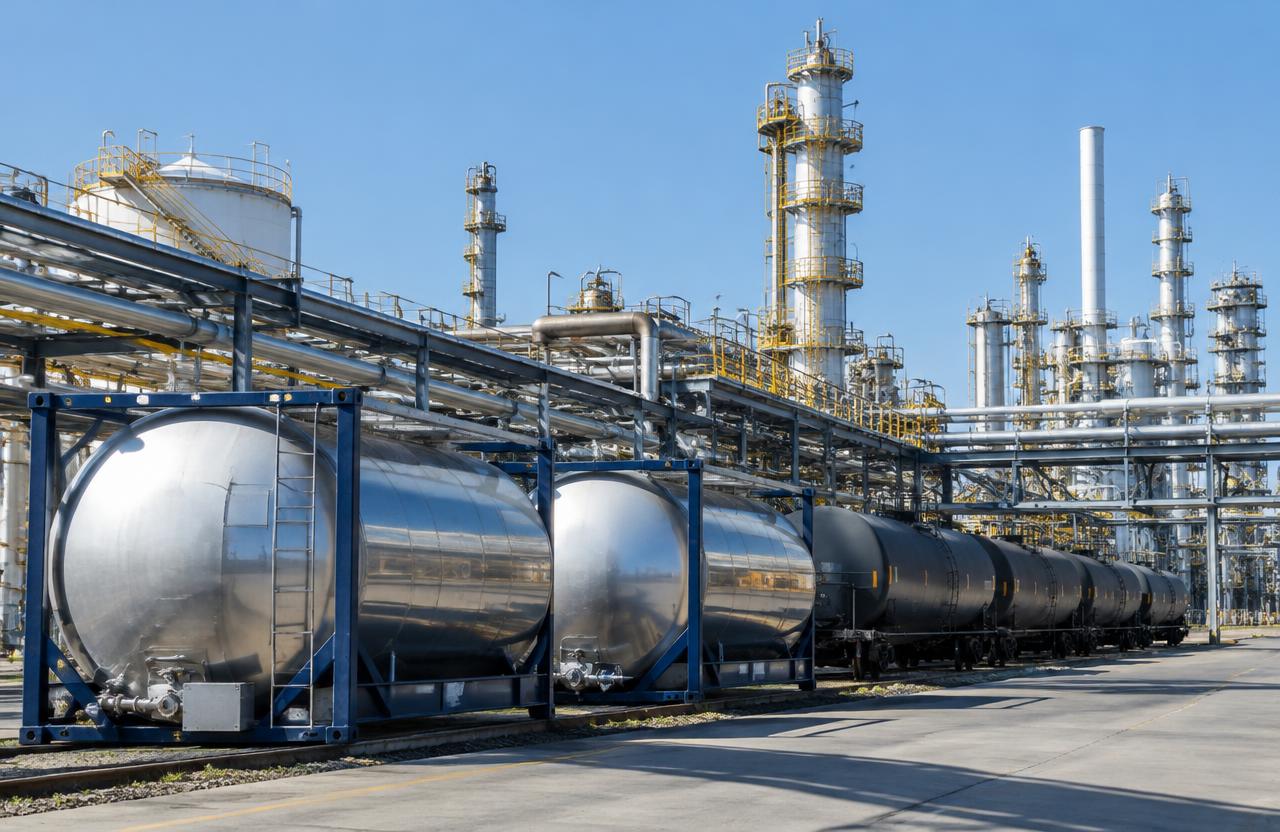 Chemicals
 company
Gaining near real-time visibility into logistics
Provided “One version of the truth”.
Read the client story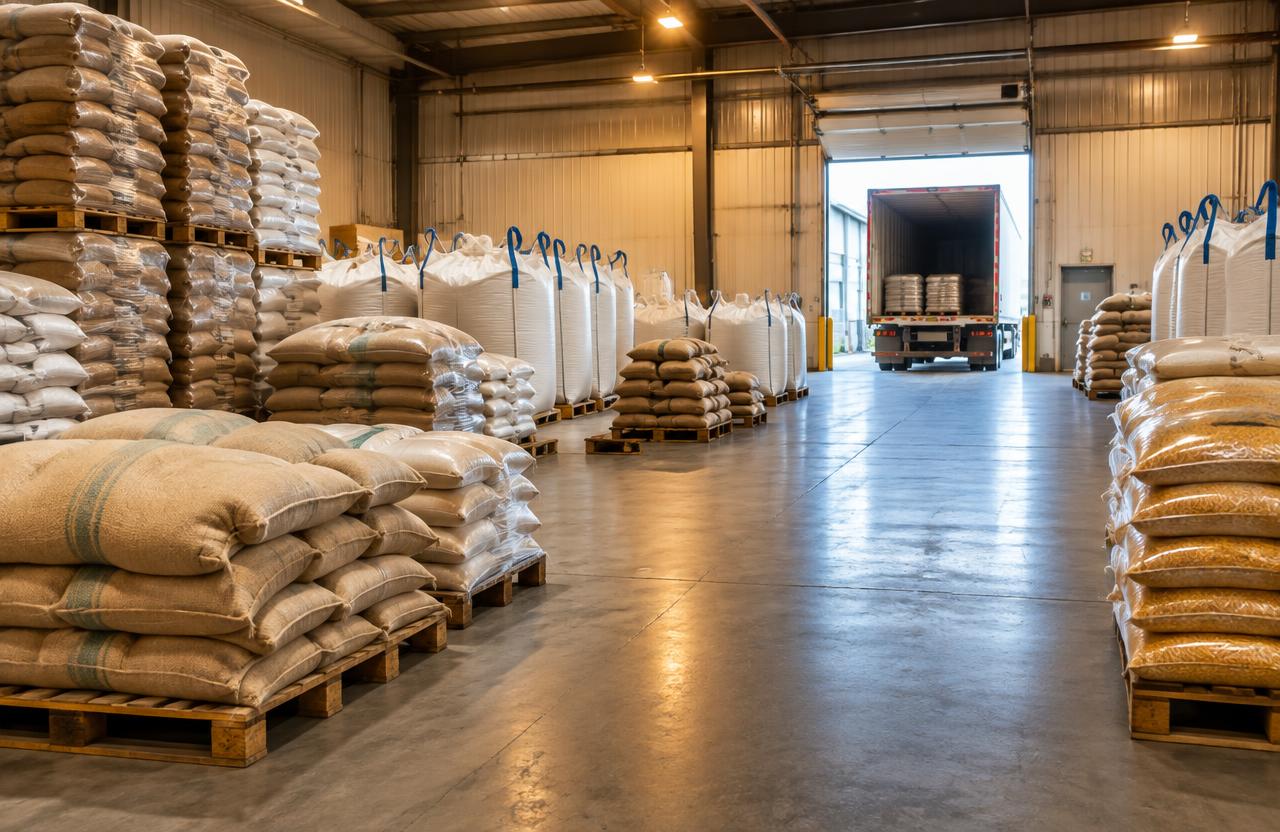 Agriculture & Food
Agriculture & food company
Securing company’s growth with actionable data, vendor optionality
$3M annualized benefits.
Read the client story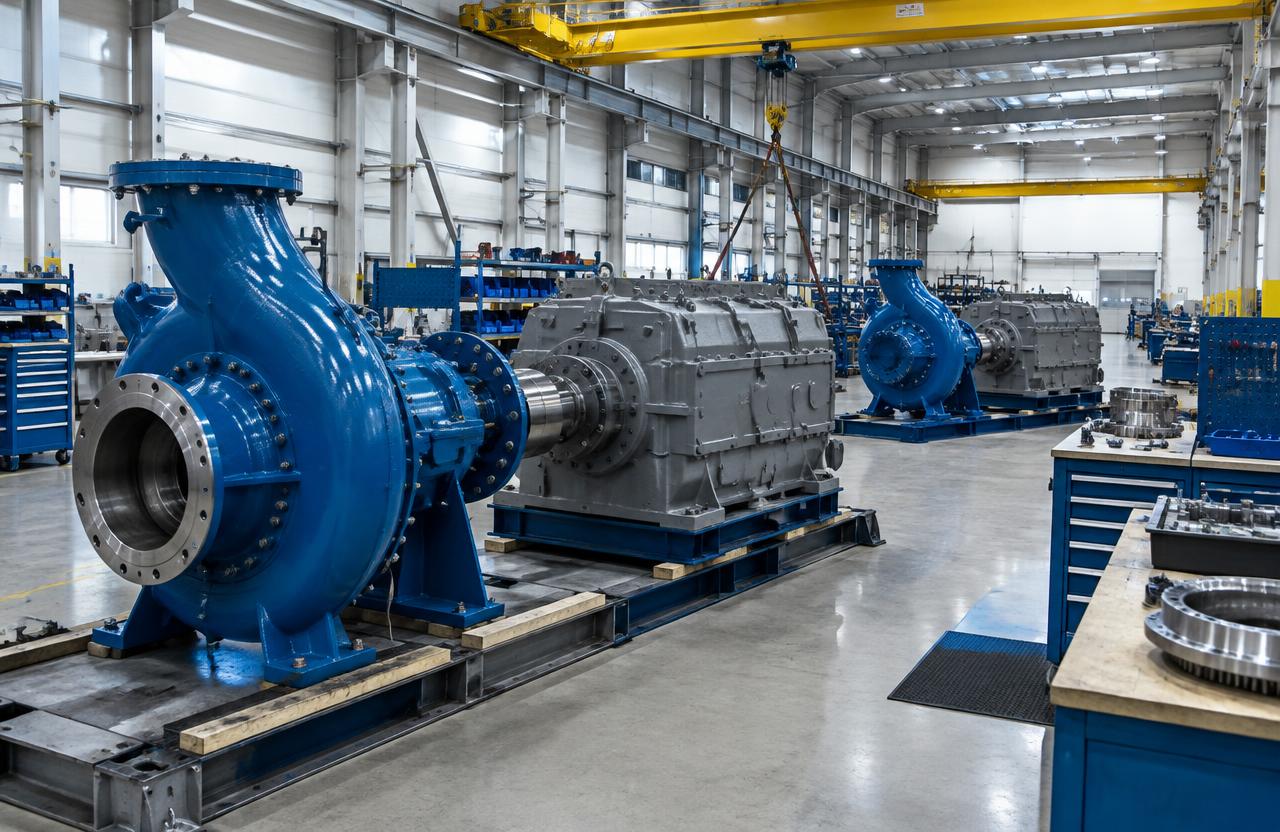 Industrial Manufacturing
Industrial manufacturer
Root cause analysis and bringing trustworthy data to light
$8.8 million annualized benefits to P&L.
Read the client story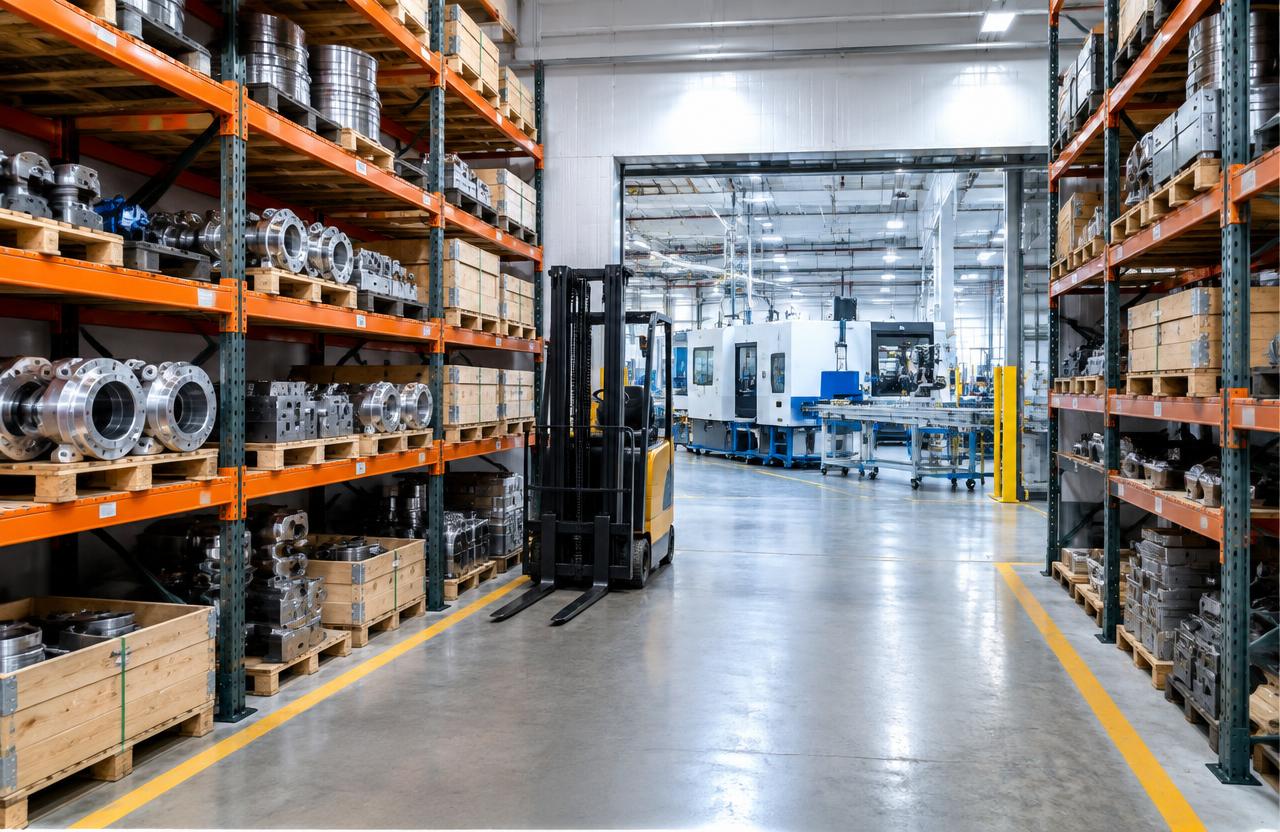 Industrial Manufacturing
Industrial manufacturer
De-risking and rebalancing the supply chain and operations footprint while releasing cash and improving profitability
Positioned client to yield up to 12% profitability improvement post-transition.
Read the client storyHave a decision you can't afford to get wrong?
Tell us about it, and we'll show you how a Decision Modeling Sprint would model it.
Discuss your decision