

Industries / Energy
Energy Consulting for Supply Chain and Operations
Power performance. Protect capital.
An outage is weeks away, and the operator has to decide which equipment and spares to stage before the unit comes down. Stage too little and the outage runs long; stage too much and cash sits in the storeroom. Maine Pointe provides energy consulting, oil and gas consulting and energy supply chain work that connects procurement, maintenance, logistics and capital delivery through Total Value Optimization™ (TVO™).
$19.2MAnnualized logistics savings for an energy company, with greenhouse gas emissions down 75%
22%Improved unit train cycle time by 22%
In short
Maine Pointe is an energy consulting firm that improves cost, reliability and capital efficiency across upstream, midstream and energy transition operations. We work on procurement, logistics, maintenance and project delivery with finance-validated results. The first step is the Energy Value Assessment.
Trusted by energy leaders.
A selection of the energy companies we have served.








If you're the CEO
Allocate capital against executable project and operating plans, with explicit supply and reliability risks.
If you're the COO
Connect maintenance readiness, material availability and logistics to safe operating and commissioning decisions.
If you're the Private equity operating partner
Separate recurring EBITDA opportunities from inventory cash release and deferred maintenance exposure.
What's changing in energy
Where energy supply chains put capital projects at risk
Strategy sets the ambition. Supply chain and operations decide whether it shows up in EBITDA, cash and growth. This is Total Value Optimization™ applied to your sector.
Equipment schedules drive project exposure
Verify first. Transformer, switchgear and engineered-equipment delivery commitments need to be tested against design maturity, factory capacity and commissioning dependencies—not accepted as procurement dates alone.
Capital competes across different risk profiles
Oil and gas assets, grid investment and transition projects compete for capital. Teams need separate assumptions for technology maturity, permitting, contractor capacity and demand before comparing returns.
Reliability and working capital collide
Maintenance teams need defensible critical-spares coverage while finance challenges inventory. Obsolete material and duplicate stock can coexist with shortages of the parts that protect uptime.
Supply routes need continuous review
Changing trade requirements, supplier concentration and remote-site logistics complicate sourcing. Buyers must validate landed cost, technical qualification and feasible alternatives before committing.
Illustrative example
One late critical part: the cost of waiting versus the cost of holding
Wait for the part
If a critical part arrives late, the asset stays down or the outage extends. Lost availability usually costs far more than the part itself.
Hold a spare
A spare on the shelf protects availability, but it ties up cash, needs storage and care, and can become obsolete.
Decide by consequence
Compare replacement lead time and the consequence of failure with the cost of carrying the spare until the next maintenance window.
The right answer differs by part. Critical-spares decisions belong with reliability engineering and finance together.
Where the value sits
Oil and gas supply chains: planning for outages and deliveries
Plan
Sequence capital and outages
Connect engineering release, long-lead equipment, outage windows and commissioning requirements in one decision process.
Buy
Qualify supply before negotiating
Test supplier capacity, technical compliance, service support and total landed cost for equipment, MRO and contracted services.
Make
Protect asset readiness
Align maintenance work packs, craft capacity and material kits with production, generation and processing requirements.
Move
Control critical movements
Coordinate rail, heavy haul, terminal capacity and remote-site deliveries against actual site readiness.
Fulfill
Complete the operating handover
Close documentation, warranty, spares and training gaps before transferring equipment to operations.
Illustrative example
Follow one outage from qualified supply to return to service
Oil and gas supply chain consulting has to follow the outage, not just the purchase order. Each handoff can add days to the schedule.
01 / Qualified supply
Parts and services come only from suppliers and repair shops approved for the equipment.
02 / Repair staging
Components, kits and tools are staged against the work packs before the unit comes down.
03 / Transport
Heavy, oversized or remote-site deliveries are booked against the dates the site can actually receive them.
04 / Return to service
Work is completed, tested and documented, and unused material returns to stock or to the supplier.
Your entry point
Energy Value Assessment
Build an evidence-based view of where capital delivery, asset reliability and cash performance diverge.
Request the Energy Value AssessmentExposure map. Identify critical equipment, supplier dependencies and logistics constraints tied to project or outage milestones.
MRO baseline. Reconcile spend, stores inventory and maintenance demand by asset criticality and failure mode.
Validated value case. Separate recurring operating improvements, working capital release and risk mitigation with finance.
Execution agenda. Assign decision owners, approval gates and measures for the priorities leadership chooses.
Illustrative example
Expedite or reschedule?
Vendor milestones
Where each critical order stands against its promised fabrication, test and ship dates.
Maintenance demand
Which work packs need each item, and when in the outage sequence it is needed.
Inventory
What is already on hand, on order elsewhere or available as an approved substitute.
Expedite when a late item sits on the outage's critical path and no substitute exists. Reschedule the work when expediting cannot close the gap, or when the item is not needed until later in the sequence.
Combined Intelligence / Human-led. AI-enabled.
Flagging equipment delays before an outage
Through Maine Pointe's Combined Intelligence model, experienced operators and governed AI work side by side. Your people make the final call, and the TVO Control Tower™ keeps the gains visible after we leave.
Illustrative example
Engineering and maintenance validate an equipment-delay alert before changing the outage plan
01
AI compares vendor updates with the outage schedule and flags an item now likely to arrive after its work pack starts.
02
Engineering confirms whether the delay is real and whether an approved substitute or repair option exists.
03
Maintenance checks which tasks depend on the item and whether they can be moved later in the sequence.
04
The outage manager decides whether to expedite, substitute or re-sequence. The decision and its owner are recorded.
01 / Project readiness
Detect equipment milestone conflicts
Maine Pointe's Combined Intelligence model compares supplier updates with engineering and site milestones. The project director decides which recovery action to authorize.
02 / Asset reliability
Find critical-spares exceptions
Human-led, AI-enabled analysis flags duplicate material records, uncertain substitutions and unsupported stocking rules. The reliability engineer makes the final stocking and interchangeability decisions.
03 / Logistics
Prioritize movement exceptions
Use the TVO Control Tower™ to surface shipment and terminal exceptions, supported by Maine Pointe Atlas. The logistics leader approves routing and escalation decisions.
Featured success stories / Energy
Client results and related reading
 Energy
 company
Driving strategic, sustainable savings in procurement and logistics
$17 million in annualized benefits, an average of 15% savings on addressed categories.
Read the client story Energy
 company
Breaking supplier dependency to drive substantial cost savings
43% savings on procurement spend.
Read the client story Energy
 company
Scaling carbon capture: clearing the critical path of innovation from pilot to full production
Evaluated preparedness to successfully deliver on current on-going carbon capture project.
Read the client story Energy
 company
Creating risk model and playbook for energy transition technologies
Assessed investment opportunities.
Read the client story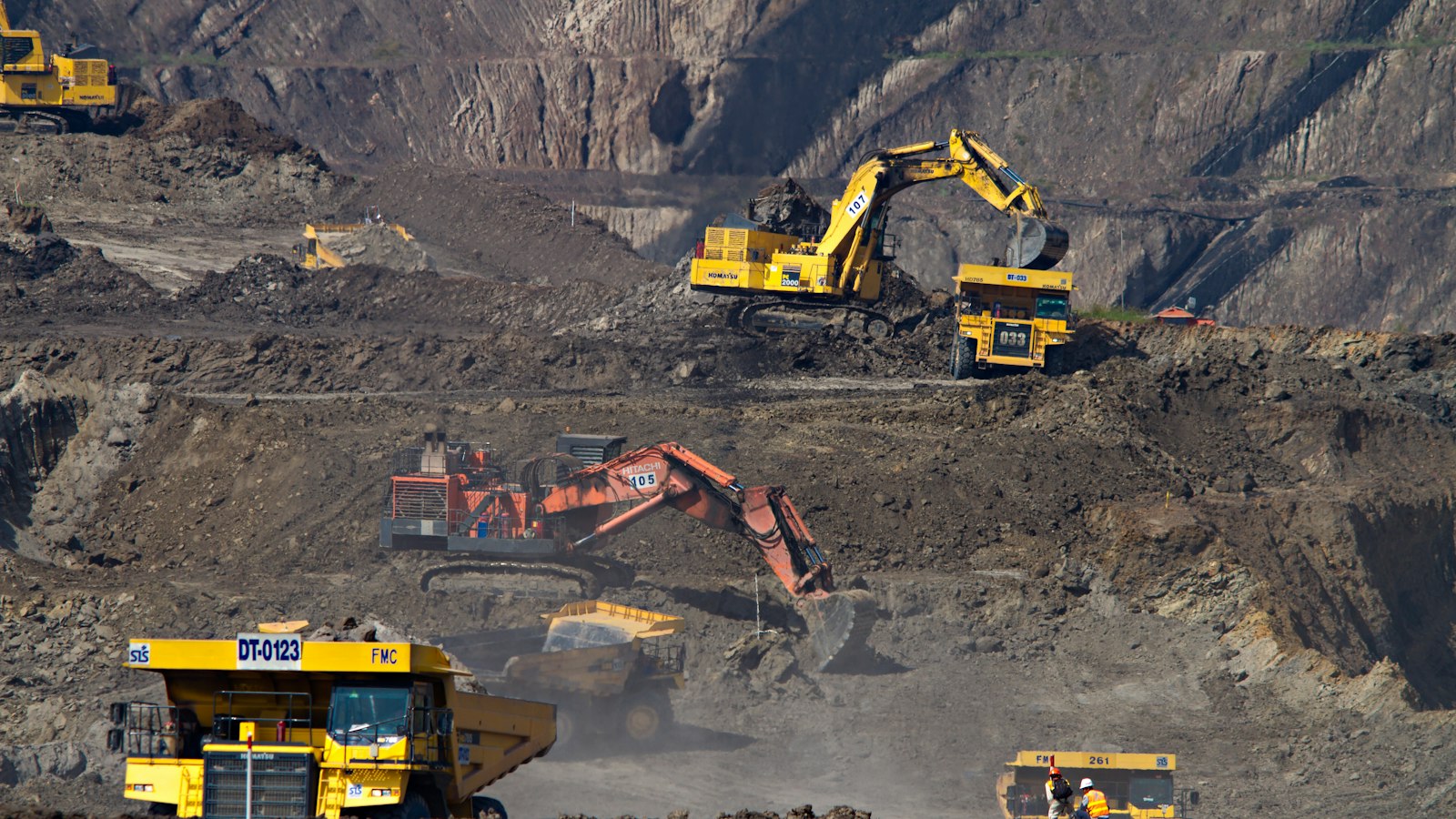 Mining
 company
Optimizing Mining Projects: A Maine Pointe Total Value Optimization™ Case Study
16% increase in productivity in one month.
Read the client story Energy
 company
Reducing 3rd party ground transportation costs
Transport costs reduced by $6.4M (ROI 3:1).
Read the client storyInsights / Energy
Thinking for energy leaders.
Energy
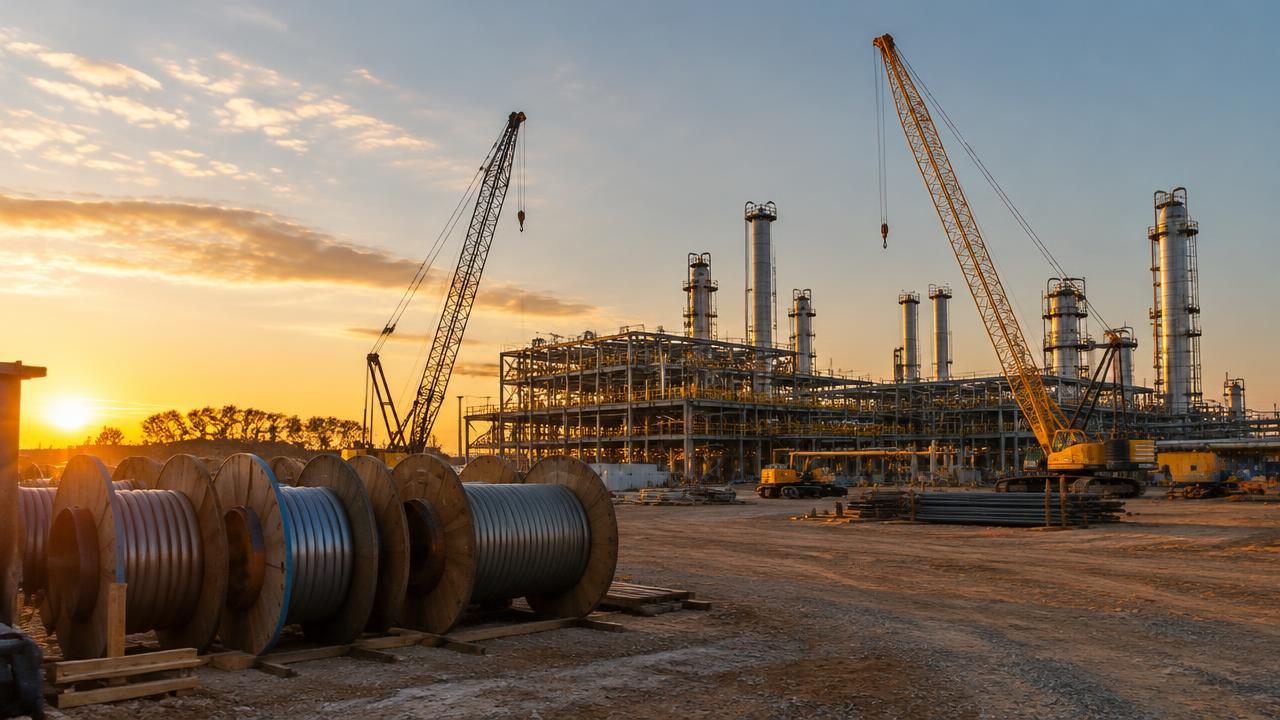
Capital projects on time: supply chain risk in energy builds
A purchase order is not a commissioning plan.
Read article · 4 min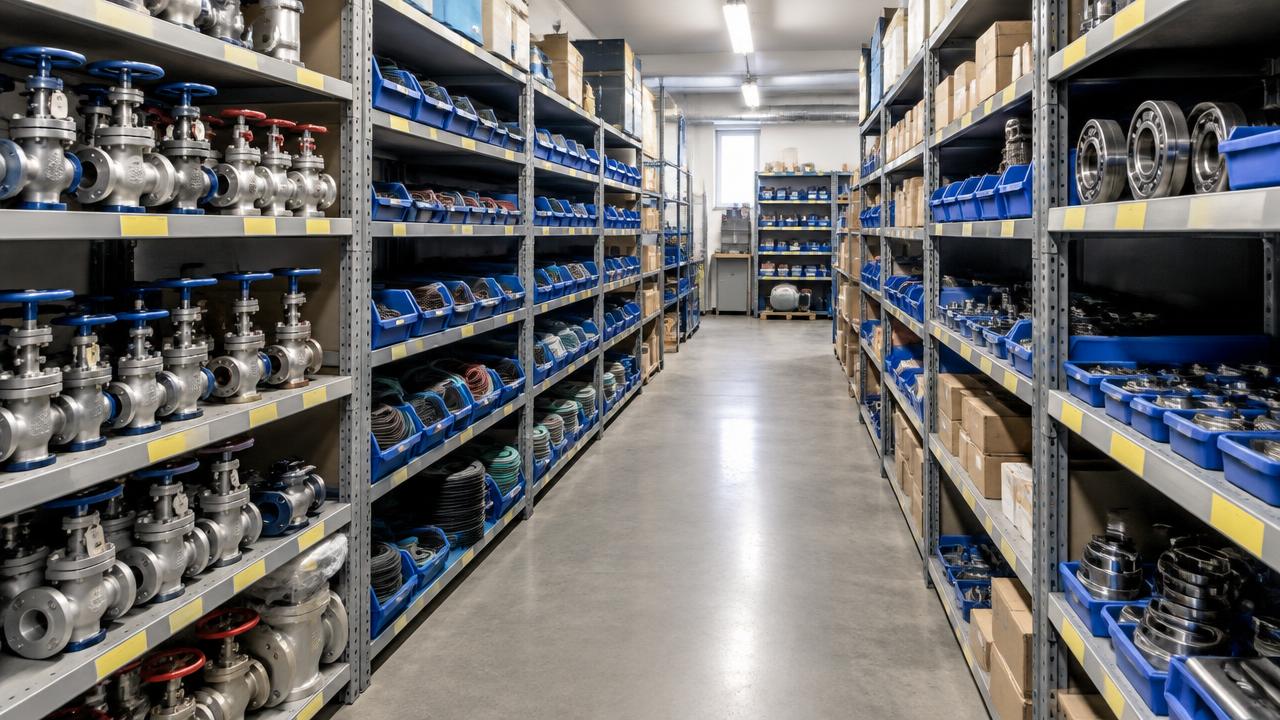
Energy
MRO spend in energy: the overlooked EBITDA lever
Reduce the cost of reliability—not reliability itself.
Read article · 4 min
Energy
Building for the Future — Canada and Energy Independence
Making the most of Canada's energy opportunity — without losing cost discipline.
Read article · 6 minYour questions, answered
Frequently Asked Questions
What does an energy consulting firm do?
An energy consulting firm focused on operations helps operators align procurement, maintenance materials, logistics and project supply with asset reliability and financial goals. Maine Pointe connects those decisions through energy supply chain consulting across oil and gas, utilities, power and energy transition.
How should an energy operator set critical-spares inventory?
Weigh three things for each part: how long a replacement takes to arrive, what happens if the equipment fails without it, and when the next maintenance window falls. Long lead times and severe failure consequences justify holding a spare; parts that can be sourced before the next window often do not.
How can supply chain work reduce capital project risk?
Start with the equipment and materials that govern installation and commissioning. Validate engineering release dates, supplier capacity, inspection requirements and transport constraints. Give project leaders clear choices before a procurement delay becomes a site delay.
How do you reduce MRO spend without weakening reliability?
Segment materials by asset criticality and failure consequences. Check approved substitutions, repair options, demand history and supplier support before changing contracts or inventory policies. Maintenance and engineering retain technical approval.
Does energy transition require a different sourcing approach?
Yes. Technology maturity, supplier financial resilience, performance warranties and service capability need explicit review. Evaluate project economics and technical risk together rather than assuming an established equipment sourcing process will transfer unchanged.
How are savings and cash release measured?
Finance validates the baseline and distinguishes recurring expense reduction from inventory cash release, capital avoidance and risk mitigation. Purchase-price changes alone do not establish realized EBITDA improvement.
What is the first step with Maine Pointe?
The Energy Value Assessment maps critical supply exposures, reconciles MRO demand and spend, and defines a validated value case and execution agenda. It uses Total Value Optimization™ (TVO™).
What results do energy consulting engagements deliver?
Energy consulting engagements are judged on measured EBITDA, cost and cash results. Published results include $19.2M in annualized logistics savings for an energy company, with greenhouse gas emissions down 75%. Results vary by starting point, so the Energy Value Assessment sizes your opportunity before work begins.
How long does a energy improvement program take?
A energy improvement program starts with the Energy Value Assessment, which takes weeks rather than months. Implementation is phased by priority, so first savings are tracked as they land while larger changes continue over the following months.
How do you choose a energy consulting firm?
To choose a energy consulting firm, look for published results in your sector, people who implement alongside your teams rather than only advising, and fees tied to measured outcomes. Maine Pointe has completed 550+ engagements since 2004 and offers guaranteed performance.
Your next step / Energy Value Assessment
Make energy investment operationally ready.
Guaranteed performance. Commercial terms agreed with each client.
Request the Energy Value Assessment