

Industries / Automotive
Automotive Supply Chain Consulting
Build margin. Deliver at rate.
A supplier preparing for launch has signed for a production rate, a piece price and a delivery sequence. Protecting margin at that contracted rate means proving tooling, labor, sub-tier capacity and landed part cost can all hold before the first release arrives. Maine Pointe provides automotive consulting and automotive manufacturing consulting for Tier 1 and Tier 2 suppliers who need good parts delivered at rate, not recovered after launch.
29%Reduced scrap by 29% at one plant by realigning operations with demand
79%Improved EBITDA by 79% for a global supplier of branded automotive aftermarket components
In short
Maine Pointe provides automotive supply chain consulting for Tier 1 and Tier 2 suppliers, component manufacturers and commercial vehicle makers. We match customer releases to demonstrated capacity, landed part cost and first-pass quality so plants deliver good parts in sequence and protect margin. The first step is the Automotive Value Assessment.
Trusted by automotive leaders.
A selection of the automotive companies we have served.






If you're the CEO
Protect program profitability while keeping customer commitments credible.
If you're the COO
Connect plant capacity, supplier readiness and release schedules before disruption becomes premium freight.
If you're the Private equity operating partner
Separate structural earnings improvement from volume recovery and validate cash delivery.
What's changing in automotive
Where automotive suppliers lose margin at launch
Strategy sets the ambition. Supply chain and operations decide whether it shows up in EBITDA, cash and growth. This is Total Value Optimization™ applied to your sector.
Propulsion mix uncertainty
In 2026, suppliers must plan capacity across EV, hybrid and combustion programs without treating every customer forecast as a firm release.
Tariff and origin exposure
Changing trade requirements make part origin, customs treatment and contract recovery terms operating decisions, not just purchasing details.
Launch economics under strain
Tooling readiness, engineering changes and unstable run rates can turn a nominated program into a cash drain before serial production settles.
Fragile sub-tier capacity
A financially stretched sub-tier or a constrained tool can disrupt several programs even when aggregate supplier capacity looks adequate.
Where the value sits
How automotive supply chains deliver quality parts at the rate the market demands
Plan
Plan releases, not averages
Reconcile OEM releases with propulsion scenarios, tool capacity and program contribution.
Buy
Buy for landed economics
Connect origin, tooling ownership, supplier health and recovery terms to sourcing choices.
Make
Make good parts at rate
Validate bottleneck cycles, first-pass yield, maintenance readiness and operator coverage together.
Move
Move without firefighting
Align milk runs, border documentation, packaging loops and premium-freight decisions.
Fulfill
Fulfill the customer sequence
Protect shipment accuracy, traceability and release attainment without hiding excess inventory.
Trace one program from release to good parts in sequence
Customer releases and landed part cost
Start with what the customer will actually call off and what each part truly costs to land, including tariffs, freight and packaging, not the quoted piece price.
Good parts delivered in sequence
Finish with first-pass quality at the constraint and sequenced delivery to the customer's line. Every step between has to hold at the contracted rate.
A program is only profitable when both ends reconcile: the release plan, the landed cost and the parts that pass inspection and arrive in sequence.
Your entry point
Automotive Value Assessment
Start with a shared operating baseline and a prioritized set of decisions, not a disconnected savings target.
Request the Automotive Value AssessmentProgram economics baseline. Reconcile releases, purchased content, conversion cost and cash by customer program.
Constraint and exposure map. Locate tooling, labor, supplier and border dependencies that put delivery at risk.
Action portfolio. Assign owners to sourcing, scheduling and launch actions with explicit trade-offs.
Value validation plan. Agree the operating measures and finance checks that distinguish realized value from assumptions.
Illustrative example
Find the first exposure to fix
Releases
Compare customer releases with demonstrated output and qualified capacity, line by line.
Bills of material
Check bills of material against sourcing, landed cost and sub-tier readiness for each part number.
Actual scrap and freight
Reconcile what scrap and premium freight have actually cost against what the program budgeted.
Comparing the three shows which exposure costs the most and should be fixed first, before spending on wider changes.
Combined Intelligence / Human-led. AI-enabled.
Spotting release changes before a launch slips
Through Maine Pointe's Combined Intelligence model, experienced operators and governed AI work side by side. Your people make the final call, and the TVO Control Tower™ keeps the gains visible after we leave.
Illustrative example
A planner checks a capacity alert before changing shifts or supplier commitments
01
A new customer release arrives, and AI compares it with demonstrated output and tooling capacity.
02
It raises a capacity alert: one work center cannot meet the new mix without overtime or a supplier pull-ahead.
03
The planner checks the alert against labor availability and the sub-tier supplier's confirmed capacity.
04
The planner decides whether to change shifts, adjust supplier commitments or negotiate the release. The decision and its owner are recorded.
01 / Release risk
Spot changes before schedules break
Maine Pointe's Combined Intelligence model can flag release volatility against tool and labor constraints. The production planner approves schedule changes; the approach is human-led, AI-enabled.
02 / Landed cost
Compare sourcing exposures
AI can group part-level origin, freight and purchasing data for review. The sourcing leader and trade specialist make the final sourcing and compliance decisions.
03 / Launch readiness
Surface repeat failure patterns
AI can connect downtime, scrap and engineering-change records to prioritize investigation. The launch leader validates causes and approves countermeasures; a TVO Control Tower™ can support exception review.
Featured success stories / Automotive
Client results and related reading
 Automotive
 company
Realigning operations with demand in a fast-track sprint, focusing on profitability
6%-12% improved productivity.
Read the client story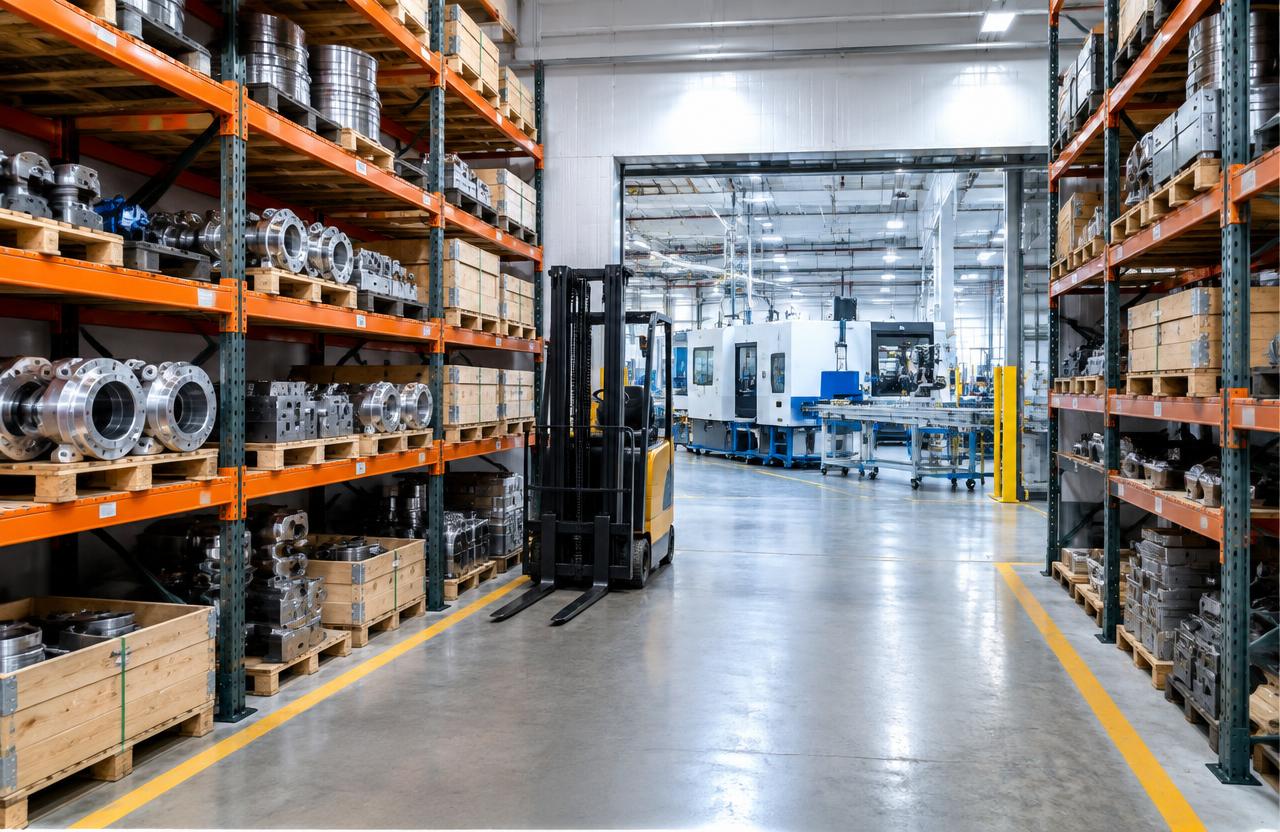 Industrial Manufacturing
Industrial manufacturer
De-risking and rebalancing the supply chain and operations footprint while releasing cash and improving profitability
Positioned client to yield up to 12% EBITDA improvement post-transition.
Read the client story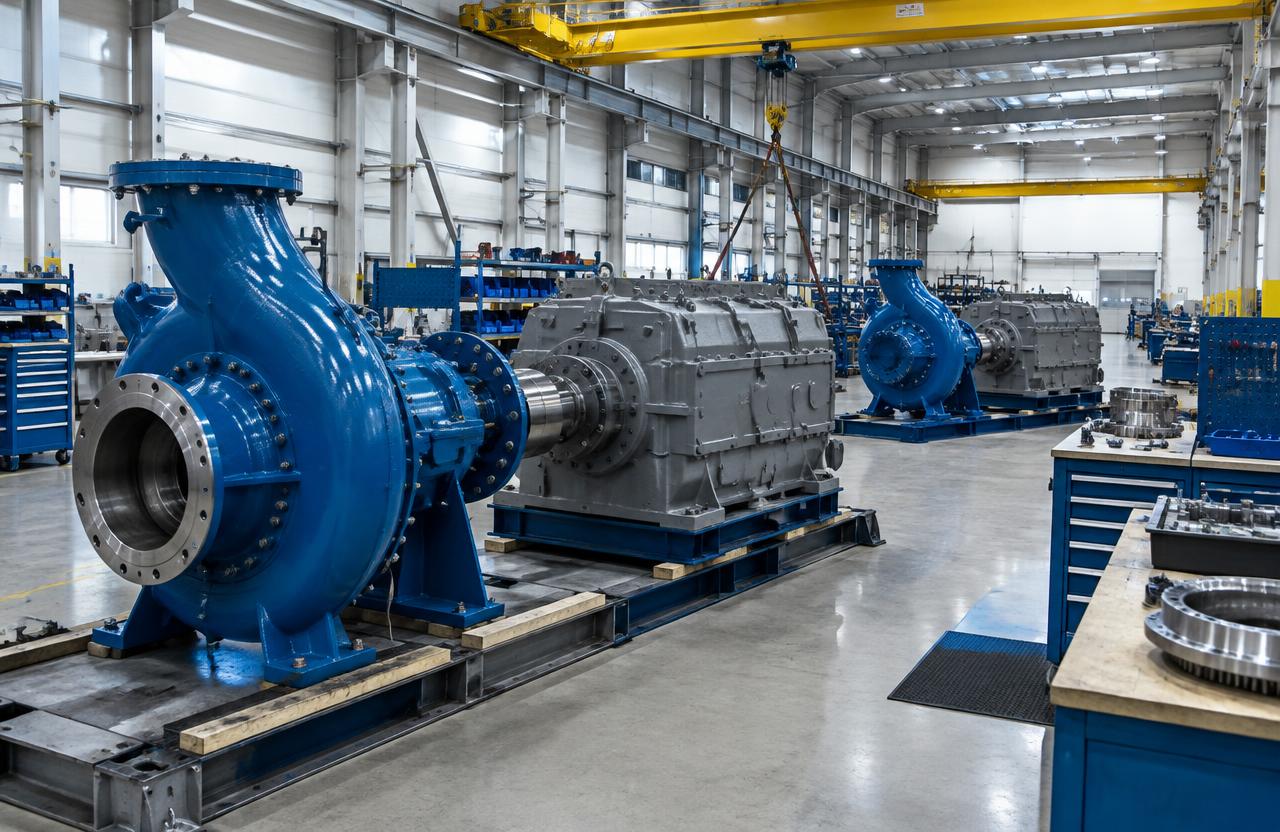 Industrial Manufacturing
Industrial manufacturer
Developing a SIOP process across multiple product lines
With an aggressive goal to double revenue in 5 years, our client understood the challenges and sought Maine Pointe’s expertise to define and resolve their strategies.
Read the client story Industrial Manufacturing
Industrial manufacturer
Value and savings in a double-digit inflationary global market
Reduced procurement costs by 6% in a double and triple-digit commodity inflationary market.
Read the client story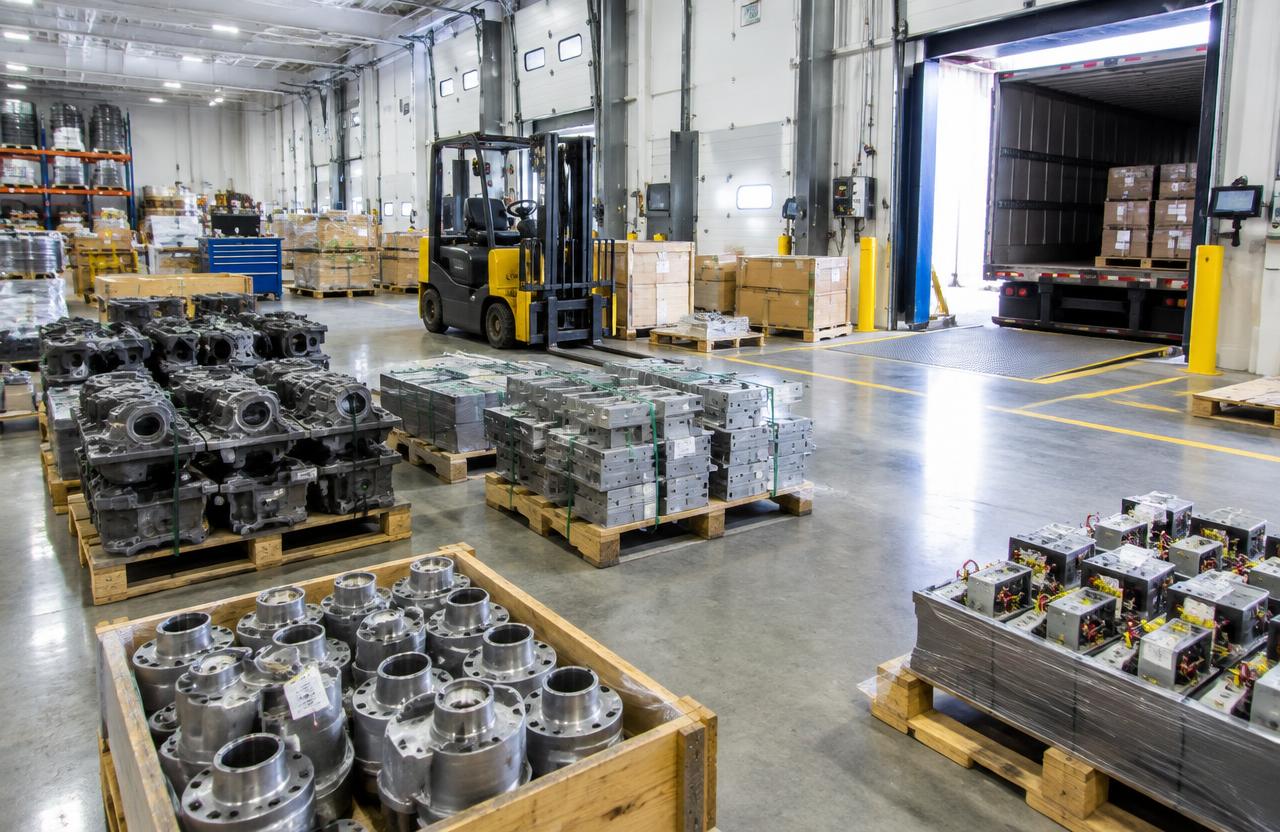 Industrial Manufacturing
Industrial manufacturer
De-risking and rebalancing the supply chain and operations footprint while releasing cash and improving profitability
Positioned client to yield up to 12% profitability improvement post-transition.
Read the client story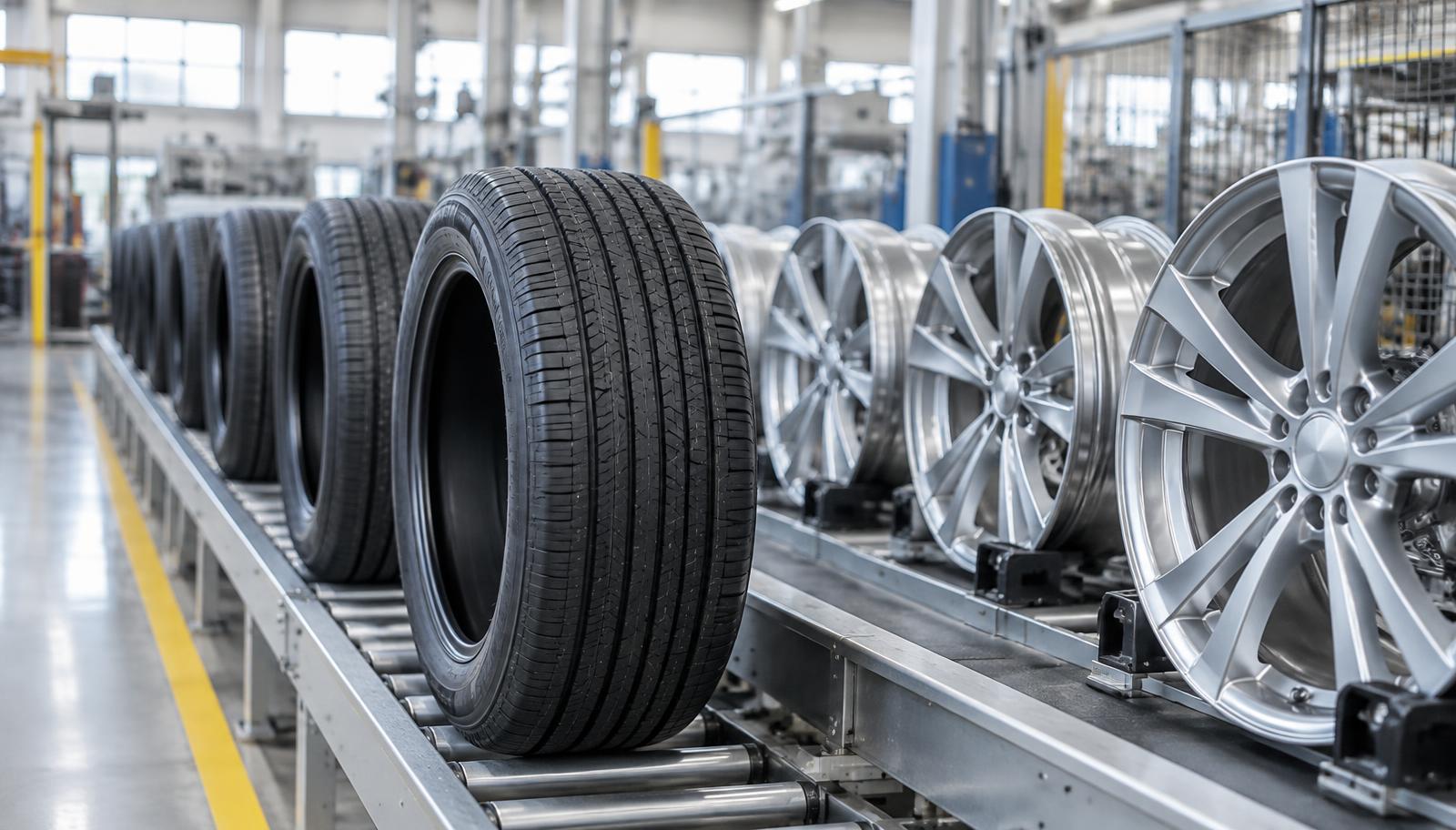 Industrial Manufacturing
Industrial manufacturer
Procurement, logistics, S&OP and data analysis
Saved 15% in procurement of logistics (TL and LTL), 7% in steel (in a rising market), and 19% in MRO/indirect.
Read the client storyInsights / Automotive
Thinking for automotive leaders.

Automotive
Tariffs, EV swings and the supplier squeeze: what automotive suppliers should do now
Manage trade exposure and program volatility as one operating problem, not two separate workstreams.
Read article · 4 min
Automotive
Launching at rate: how suppliers avoid the launch cost spiral
Prove the production system under real conditions before temporary workarounds become permanent cost.
Read article · 4 min
Tariffs
Tariffs and the portfolio company: a sponsor's playbook
Tariffs are no longer a line item.
Read article · 3 minYour questions, answered
Frequently Asked Questions
What does an automotive supply chain consulting firm do?
Automotive supply chain consulting connects customer releases, sourcing, plant execution and logistics to program profitability. Maine Pointe helps leadership identify constraints, implement changes and validate operating and financial results.
How can automotive suppliers respond to tariff exposure?
Map exposure by part, origin and contractual responsibility. Compare landed-cost scenarios with qualification requirements and customer approval before changing sources or routes; validate customs treatment with qualified trade specialists.
How should suppliers plan for changing EV demand?
Use separate scenarios for customer releases, installed capacity and committed spend. Set decision triggers for labor, tooling and sourcing rather than applying one volume assumption across EV, hybrid and combustion programs.
How do suppliers prevent launch cost overruns?
Compare customer releases with demonstrated output, tooling readiness and the cost of exceptions such as scrap, overtime and premium freight. Fix the largest gap before launch, and give every temporary workaround an owner and an exit date.
What happens in an Automotive Value Assessment?
The assessment establishes program economics, maps constraints and exposure, prioritizes actions and defines finance validation. It creates a shared basis for implementation without assuming every opportunity is immediately achievable.
Can AI replace automotive production planning?
No. AI can highlight release changes, cost exposure and recurring losses. Planners, engineers and sourcing leaders retain approval of schedules, process changes and supplier decisions.
What results do automotive consulting engagements deliver?
Automotive consulting engagements are judged on measured EBITDA, cost and cash results. Published results include a 79% EBITDA improvement for a global aftermarket components supplier, an 11% EBITDA improvement for a tire and wheel systems maker and 29% less scrap at one plant. Results vary by starting point, so the Automotive Value Assessment sizes your opportunity before work begins.
How long does a automotive improvement program take?
A automotive improvement program starts with the Automotive Value Assessment, which takes weeks rather than months. Implementation is phased by priority, so first savings are tracked as they land while larger changes continue over the following months.
How do you choose a automotive consulting firm?
To choose a automotive consulting firm, look for published results in your sector, people who implement alongside your teams rather than only advising, and fees tied to measured outcomes. Maine Pointe has completed 550+ engagements since 2004 and offers guaranteed performance.
Your next step / Automotive Value Assessment
Make performance hold under pressure.
Guaranteed performance. Commercial terms agreed with each client.
Request the Automotive Value Assessment