
Industries / Industrial Manufacturing
Industrial Manufacturing Consulting
Master complexity. Earn the margin.
The order book is full, yet deliveries still slip. In most high-mix plants the problem is not total capacity but how the mix uses one constrained work center. Maine Pointe provides industrial manufacturing consulting and manufacturing supply chain consulting that finds that constraint and shows when resequencing or changing the product mix frees capacity before you add shifts or buy equipment.
23%Increased throughput by 23% after standardizing scheduling and processes across five plants
In short
Maine Pointe provides industrial manufacturing consulting that raises throughput, cuts cost and releases cash across plants and suppliers. We standardize operating routines, fix constraints and align sourcing and planning so results hold after we leave. The first step is the Industrial Value Assessment.
Trusted by industrial manufacturing leaders.
A selection of the industrial manufacturing companies we have served.






If you're the CEO
Choose a product and service portfolio that earns a return after complexity and support costs.
If you're the COO
Translate order mix into feasible material, labor and bottleneck plans without constant schedule resets.
If you're the Private equity operating partner
Validate margin improvement through operating changes while distinguishing sustainable earnings from inventory liquidation.
What's changing in industrial manufacturing
Where product mix consumes industrial capacity
Strategy sets the ambition. Supply chain and operations decide whether it shows up in EBITDA, cash and growth. This is Total Value Optimization™ applied to your sector.
Mix overwhelms volume averages
In 2026, configurable products and uneven order intake make aggregate utilization a poor guide. Setup demand, engineering changes and shared bottlenecks determine whether the committed mix is profitable.
Sourcing economics keep moving
Trade requirements and supplier footprint changes complicate landed cost. Reshoring decisions must account for qualification, tooling, ramp capacity and the service network—not just quoted unit prices.
Installed assets create service obligations
Long equipment lives create demand for low-volume parts after production has moved on. Obsolescence, repair capacity and supplier exits can turn attractive aftermarket revenue into expensive expedites.
Data gaps become scheduling decisions
Inconsistent routings, bills of material and lead times distort order promises. Experienced planners compensate manually, leaving growth dependent on knowledge that is difficult to transfer.
Illustrative example
Two product families, one constrained hour
Family A: long setups, short runs
Each changeover takes the bottleneck out of production before a single part is made. Its margin per unit can look healthy while its contribution per constrained hour is the lowest in the plant.
Family B: quick setups, steady runs
Lower list margin, but the bottleneck spends most of its time making parts. Measured per constrained hour, it often funds the business.
Judge the mix by contribution per hour on the constraint, not by unit margin. Grouping or resequencing Family A can free hours that look like new capacity.
Where the value sits
Manufacturing operational excellence, from order to aftermarket
Plan
Plan by production family
Balance demand, engineering releases, bottleneck hours and service-part obligations through SIOP.
Buy
Source for actual mix
Align supplier agreements, lot sizes and qualification choices with intermittent demand and component commonality.
Make
Manage the constraint
Sequence work by setup family, protect critical work centers and resolve quality losses before releasing more orders.
Move
Place stock where it serves
Connect plant replenishment, intersite transfers and service distribution to segmented inventory policies.
Fulfill
Deliver through the asset life
Set realistic equipment promises and service tiers with traceable parts, repair options and end-of-life plans.
Illustrative example
Follow one order from acceptance to service parts
Manufacturing operational excellence is not a plant metric on its own. Follow a single order and the losses show up at each hand-off.
01 / Component lead time
A purchased component quoted at standard lead time arrives late, so the order waits regardless of plant capacity.
02 / Changeover
The order is squeezed between unlike jobs, adding a setup on the bottleneck that a better sequence would have avoided.
03 / Yield
First-pass losses at the constraint mean the order is rerun, consuming hours that were promised to someone else.
04 / Service-parts commitment
The installed unit needs spares for years. If those parts were not planned with the order, the aftermarket promise becomes an expedite.
Your entry point
Industrial Value Assessment
Trace margin and cash leakage from order acceptance through production and installed-base support.
Request the Industrial Value AssessmentMix and constraint map. Identify the product families, routings and setup patterns that consume scarce capacity.
Cost-to-serve baseline. Reconcile product and aftermarket economics with procurement, expedite, inventory and service costs.
Inventory policy review. Separate production, service, repairable and obsolete stock before setting availability targets.
Execution value case. Validate financial opportunities and assign owners for planning, sourcing and operating changes.
Illustrative example
Resequence, add a shift, or buy equipment?
Resequence the work
Uses routing and setup data to group similar jobs on the constraint. Lowest cost and fastest, when changeovers are the main loss.
Add a shift
Adds hours on the constraint without capital, but needs skilled labor, supervision and materials ready to run.
Buy equipment
Permanent capacity at the highest cost and longest lead time. Justified when the constraint is still full after sequencing and staffing are fixed.
The assessment compares all three on the same routing and setup data, so capital is only requested for capacity the plant genuinely lacks.
Combined Intelligence / Human-led. AI-enabled.
Finding the next production constraint
Through Maine Pointe's Combined Intelligence model, experienced operators and governed AI work side by side. Your people make the final call, and the TVO Control Tower™ keeps the gains visible after we leave.
Illustrative example
A planner checks a proposed sequence against a material shortage
01
AI proposes a sequence that groups jobs by setup family to cut changeovers on the bottleneck.
02
It checks each job against material availability and flags one that needs a component still in transit.
03
The planner reviews the flag with purchasing and moves that job back, pulling forward work that has every part on hand.
04
The planner confirms the sequence and the customer dates. The decision and its owner are recorded.
01 / Mix planning
Test feasible order sequences
Maine Pointe's Combined Intelligence model compares order mixes against routing and setup constraints. The production planner makes the final sequence and customer-commitment decisions.
02 / Service parts
Identify supported substitutes
Human-led, AI-enabled analysis can use Maine Pointe Atlas to organize available technical knowledge and flag possible supersessions. The responsible engineer approves compatibility before a substitute is released.
03 / Margin control
Expose cost-to-serve exceptions
The TVO Control Tower™ can surface expediting, small-lot and service exceptions by product family. The commercial and operations leaders make the final pricing and service-policy decisions.
Featured success stories / Industrial Manufacturing
Client results and related reading
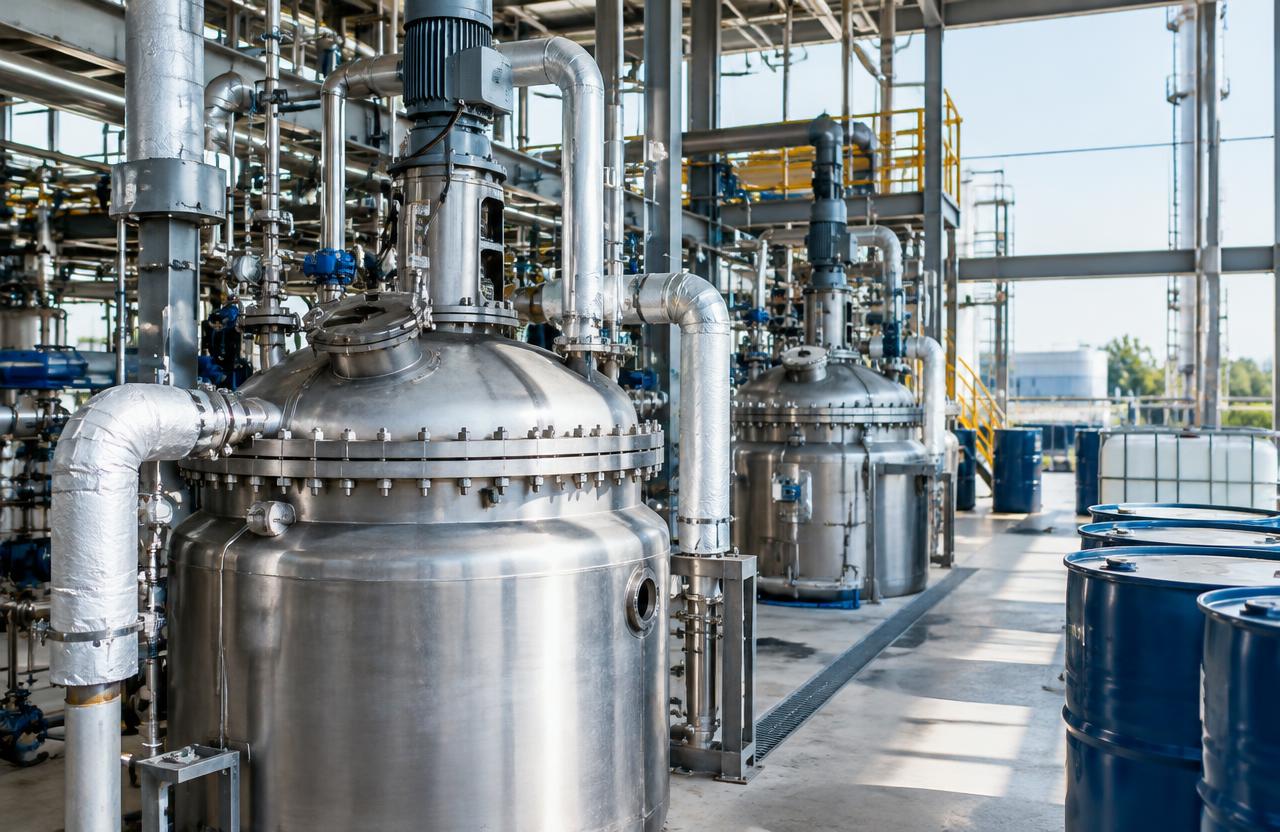 Chemicals
Tier-1 specialty chemicals manufacturer
$125M EBITDA and $150M cash across four divisions
Procurement transformation across 14 plants and 3 continents.
Read the client story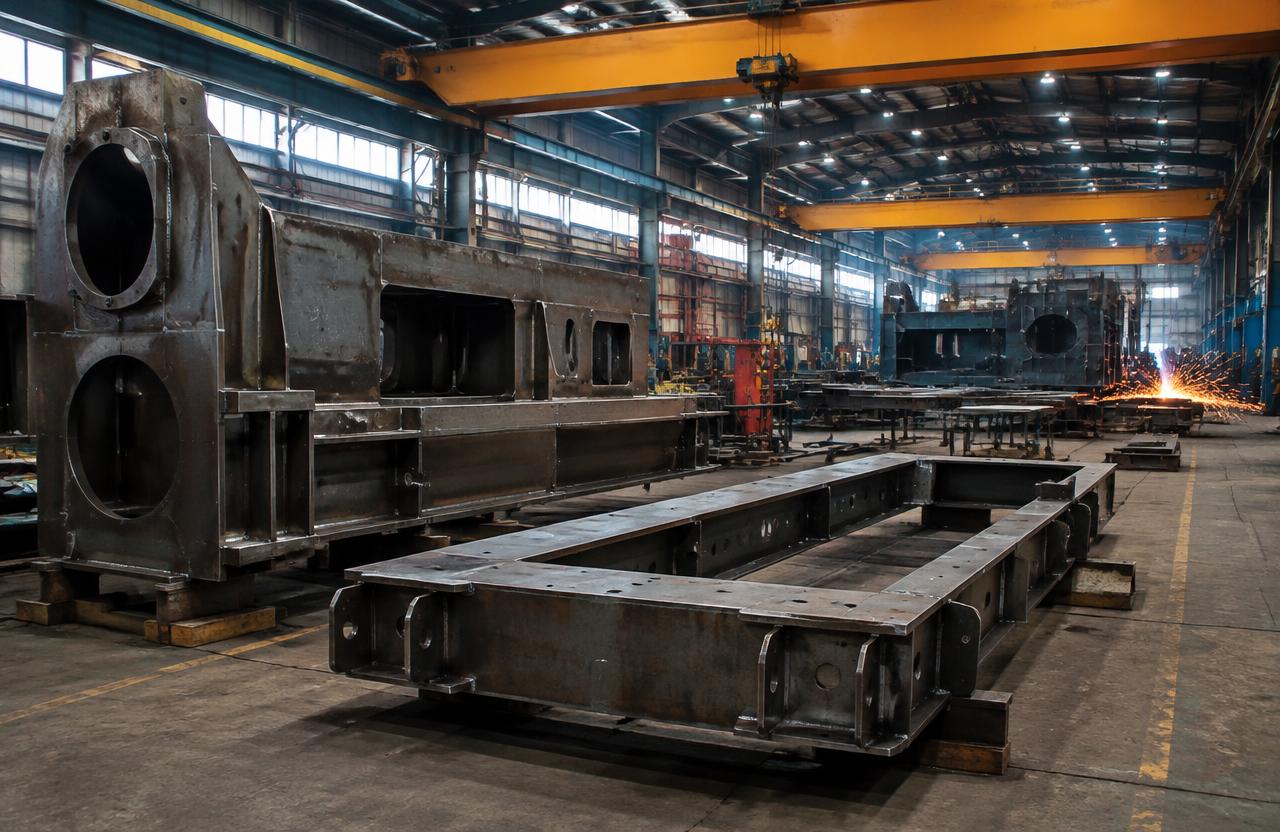 Industrial Manufacturing
Industrial manufacturer
Reaching refinance and exit goals by reducing costs and optimizing the supply chain
Improved profitability by 10%.
Read the client story Industrial Manufacturing
Industrial manufacturer
Standardizing processes across multiple plants to support mass customization
23% increase in throughput.
Read the client story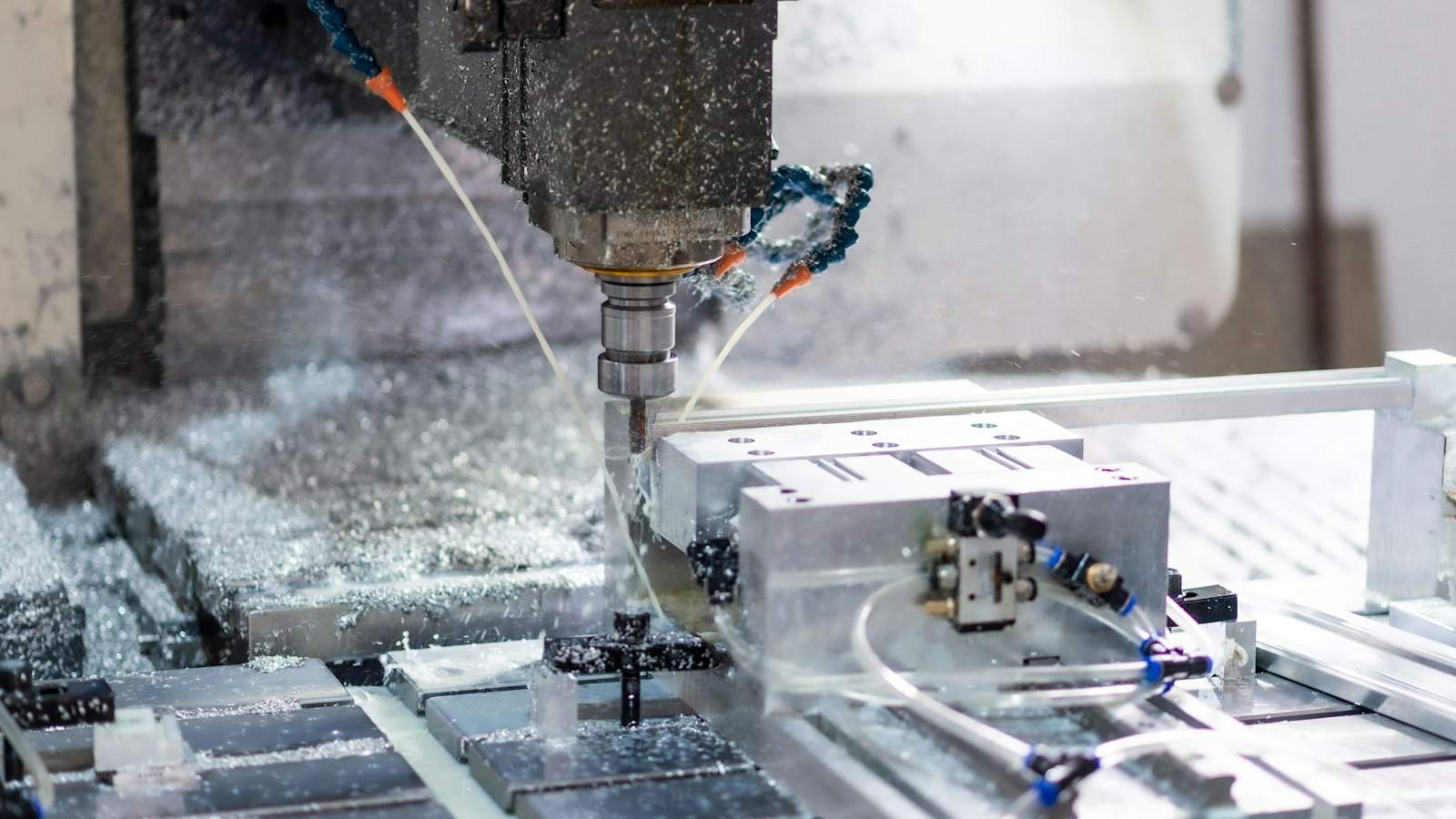 Industrial Manufacturing
Industrial manufacturer
Expediting goal to double revenue with focus on throughput
Increased production throughput 14%.
Read the client story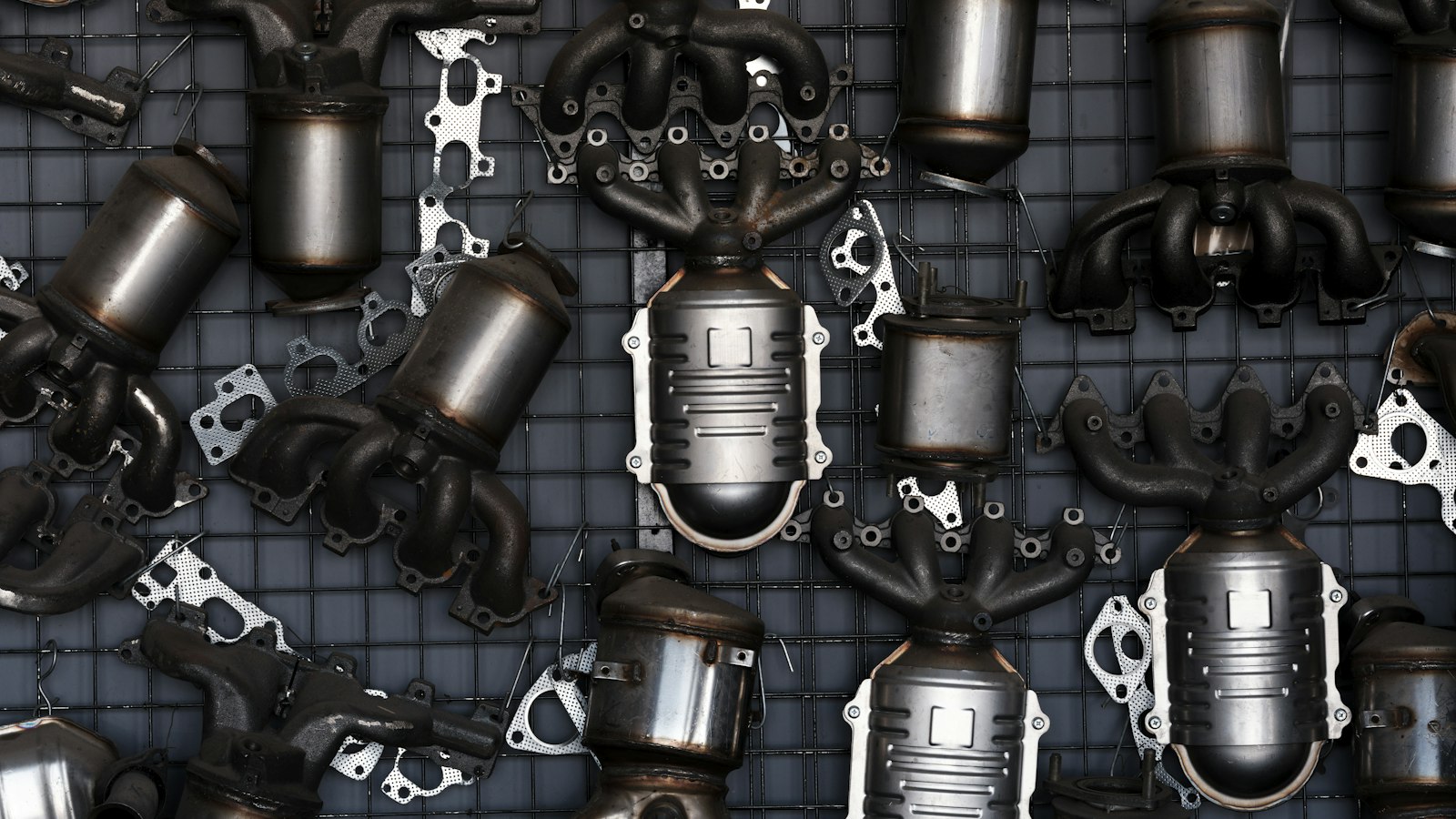 Industrial Manufacturing
Industrial manufacturer
Reducing variability in the line and boost throughput with innovative tools and processes
Decreased schedule changes 11%-19% within three months.
Read the client story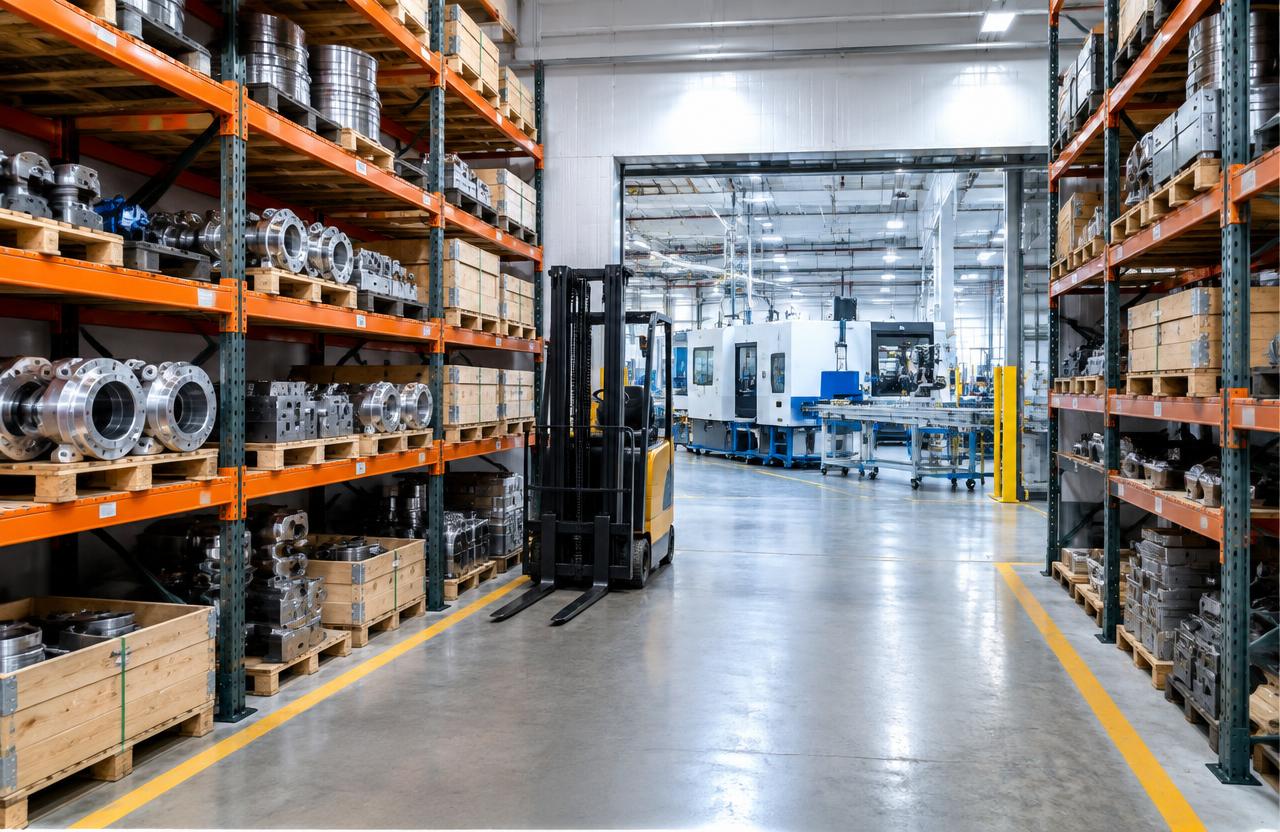 Industrial Manufacturing
Industrial manufacturer
De-risking and rebalancing the supply chain and operations footprint while releasing cash and improving profitability
Positioned client to yield up to 12% EBITDA improvement post-transition.
Read the client storyInsights / Industrial Manufacturing
Thinking for industrial manufacturing leaders.
Industrial Manufacturing
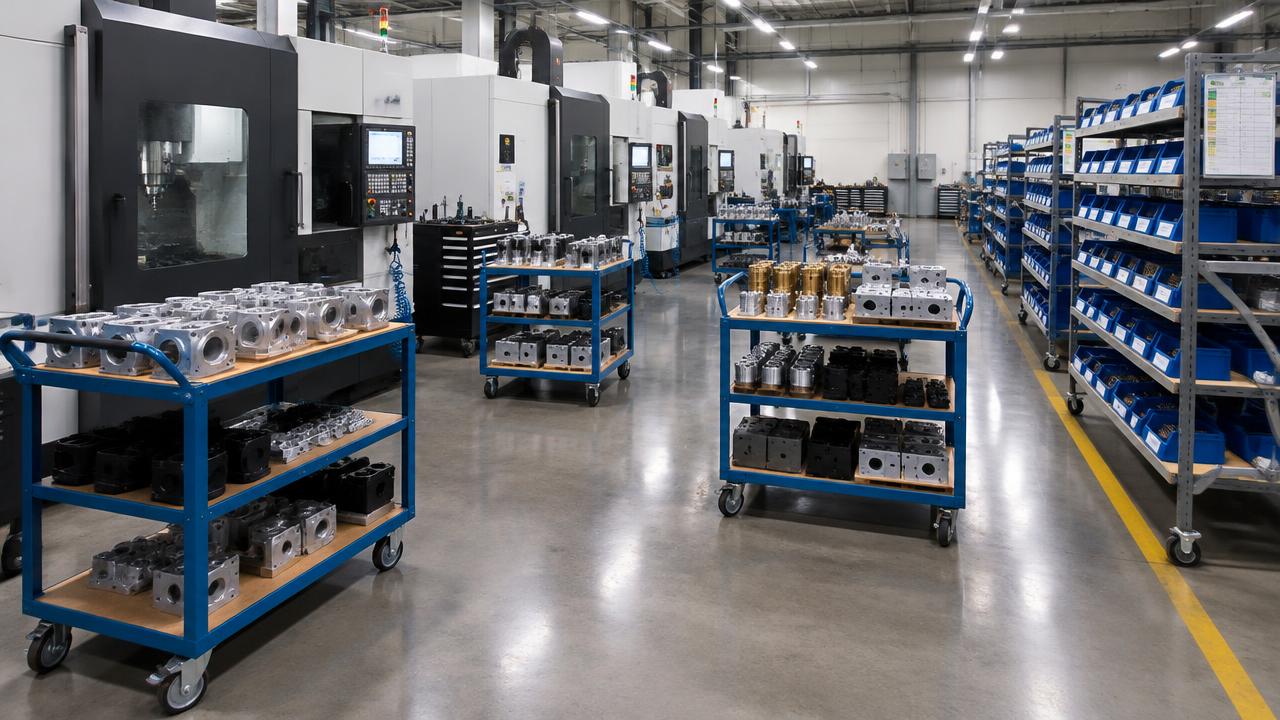
High mix, low volume: running complexity for profit
The scarce resource is not always the machine you measure.
Read article · 4 min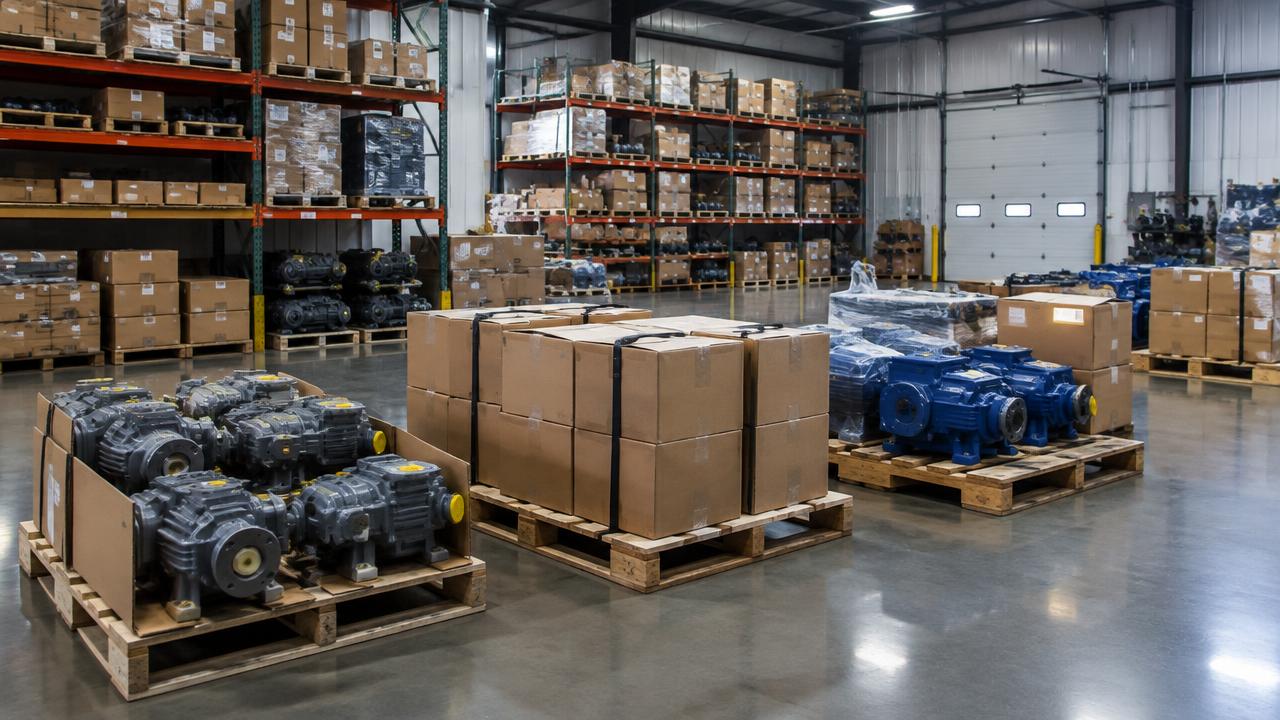
Industrial Manufacturing
Aftermarket and service parts: industrial's margin engine
Availability earns value only when the service model earns money.
Read article · 4 min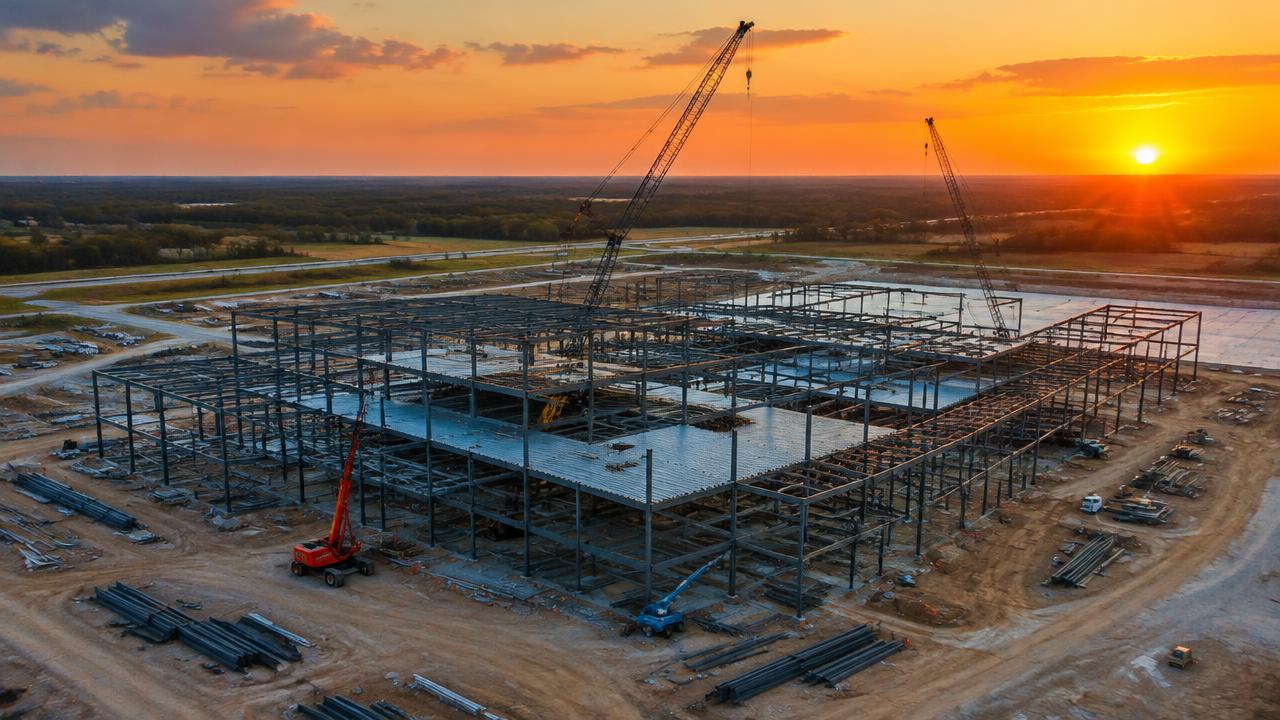
Reshoring
US Manufacturing: The timeline for reshoring just became now.
FCC Covered List and U.S. Department of War requirements accelerate the push to reshore manufacturing.
Read article · 5 minYour questions, answered
Frequently Asked Questions
What does an industrial consulting firm do for manufacturers?
Industrial consulting for manufacturers aligns demand, sourcing, factory execution and aftermarket support with margin and cash goals. Maine Pointe provides industrial manufacturing consulting and manufacturing supply chain consulting that connects product mix, constrained capacity and inventory decisions.
How do you improve high-mix, low-volume manufacturing?
Group comparable routings into families, measure the true bottleneck, and test a feasible sequence against setups and material availability. Then set release rules and customer commitments the factory can actually execute.
How can aftermarket parts improve industrial margins?
Segment service demand by installed asset, failure consequence and customer commitment. Improve parts identification, inventory placement, repair options and cost-to-serve visibility before expanding availability promises or changing prices.
What role does SIOP play in industrial manufacturing?
Sales, inventory and operations planning connects commercial demand with engineering, procurement and plant capacity. For high-mix businesses it needs both family-level decisions and checks on the constrained resources that determine feasibility.
Should industrial manufacturers reshore production?
Evaluate total landed cost, supplier resilience, tooling, qualification requirements and ramp risk for each product family. A domestic footprint is not automatically a lower-cost or lower-risk operating model.
How does Maine Pointe begin an engagement?
The Industrial Value Assessment traces mix, constraints, cost to serve and inventory policy. Leaders receive a validated execution value case using Total Value Optimization™ (TVO™).
What results do industrial manufacturing consulting engagements deliver?
Industrial manufacturing consulting engagements are judged on measured EBITDA, cost and cash results. Published results are shown in the client stories on this page, each with the measured EBITDA, cost or cash outcome. Results vary by starting point, so the Industrial Value Assessment sizes your opportunity before work begins.
How long does a industrial manufacturing improvement program take?
A industrial manufacturing improvement program starts with the Industrial Value Assessment, which takes weeks rather than months. Implementation is phased by priority, so first savings are tracked as they land while larger changes continue over the following months.
How do you choose a industrial manufacturing consulting firm?
To choose a industrial manufacturing consulting firm, look for published results in your sector, people who implement alongside your teams rather than only advising, and fees tied to measured outcomes. Maine Pointe has completed 550+ engagements since 2004 and offers guaranteed performance.
Your next step / Industrial Value Assessment
Make complexity pay its way.
Guaranteed performance. Commercial terms agreed with each client.
Request the Industrial Value Assessment