Food plant capacity: growth without a new line
Before approving expansion, establish how much safe, saleable output the existing system can actually deliver.
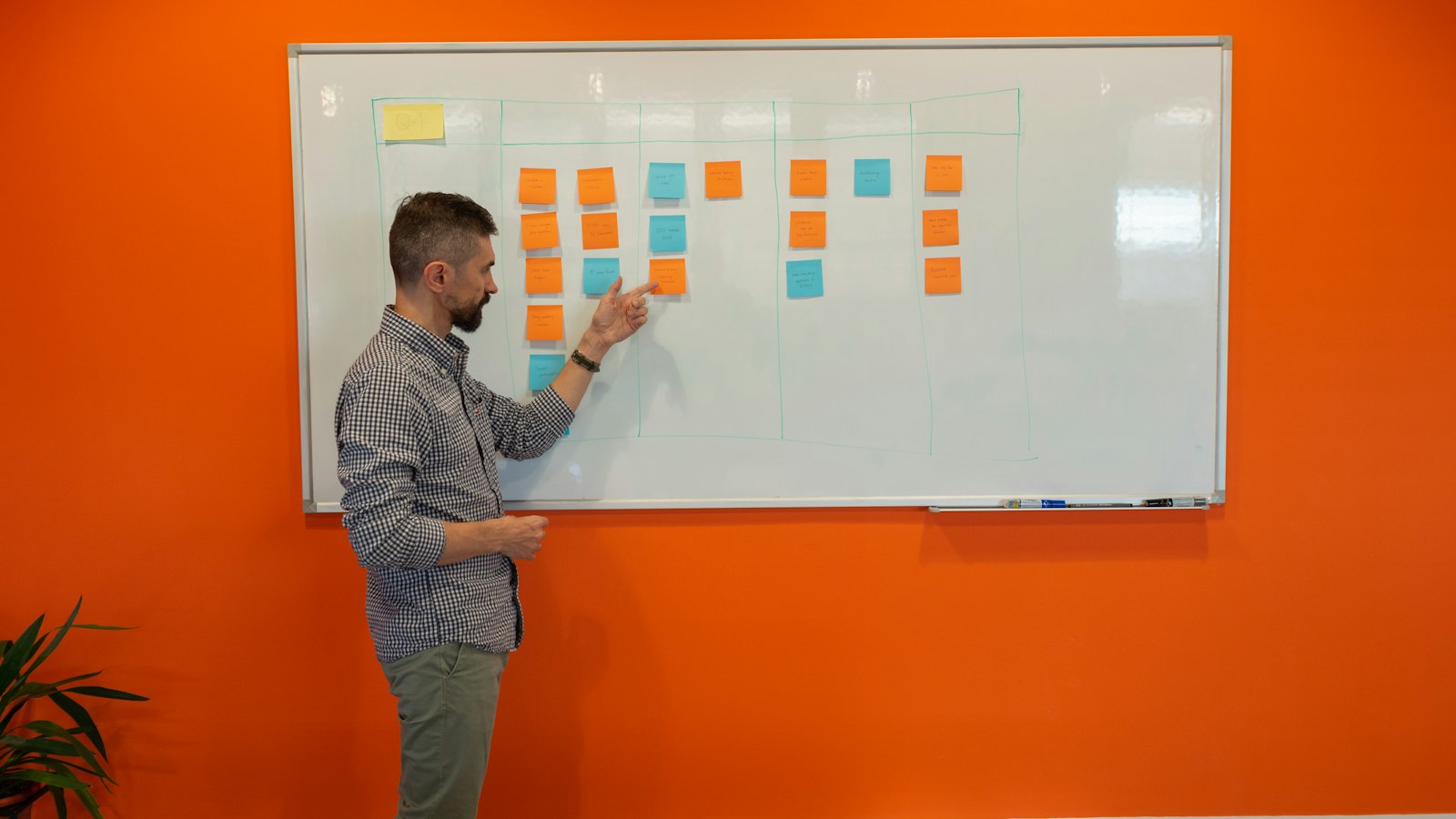
The plant looks full. Supervisors are expediting orders, weekend production is common and the sales team wants more capacity. A new line seems like the obvious answer. Yet a busy food plant is not necessarily a constrained food plant. It may be losing usable time to an unstable schedule, packaging interruptions or avoidable waiting. Before buying capacity, establish which part of the system governs safe, saleable output and why that resource is not producing more.
Define capacity in finished product, not machine speed
Nameplate speed is a technical reference, not a production promise. The business sells product that meets specification, clears required checks and reaches the customer with sufficient remaining life. Mixing, cooking, cooling, filling, packing and release may each impose a different limit. The constraint can change with the product family. A line capable of more physical output may still lack the labor, packaging supply or refrigerated storage needed to turn it into shipments.
Measure the flow from scheduled production to accepted finished goods. Distinguish planned sanitation from extended sanitation, approved process time from avoidable waiting, and startup loss from steady-state yield. Keep food safety requirements visible rather than treating them as removable downtime. The purpose is to understand the work accurately. An improvement case that depends on weakening a validated control is not a credible capacity case.
Find the constraint before improving everything
A plant-wide average can hide the resource that controls shipment volume. Improving an upstream process may simply create more material waiting for a constrained filler. Faster filling may move the queue to case packing. Observe the actual product path, including holds and transfers, and compare it with the schedule. Ask where lost time cannot be recovered later. That is usually a better starting point than the department with the most visible activity.
- Trace representative product families through processing, packing and release.
- Observe the constraint during normal runs, startups and product changes.
- Record causes of lost time without combining unrelated losses.
- Check whether labor, materials or utilities starve the constraint.
- Verify that downstream storage and distribution can absorb added output.
Then distinguish recoverable operating losses from hard physical limits. Missing labels, late ingredient staging and unclear changeover responsibilities call for different actions than an undersized thermal process. The distinction matters commercially. A capital request should show which losses remain after realistic operating improvements, not assume that new equipment will make unstable planning and execution disappear.
Schedule for margin, freshness and safe changeovers
Longer runs can reduce changeovers, but they can also create inventory the market cannot consume while fresh. Smaller runs may protect freshness while consuming more sanitation and setup time. Neither policy is universally right. Sequence decisions must consider allergen transitions, validated cleaning requirements, packaging availability, demand variability and customer life requirements. Planning and food safety need a shared set of feasible choices before finance evaluates the economic trade-offs.
Product mix also determines whether apparent spare capacity is useful. An open shift on the wrong process does not support growth in the constrained family. Evaluate commercial requests in the units that consume the constraint: processing time, changeovers, cooling space or another relevant resource. Then compare the contribution and service consequences. This avoids accepting volume that looks attractive per case but displaces better use of the limiting operation.
Total Value Optimization™ (TVO™) connects that plant decision to procurement, inventory and fulfillment. Maine Pointe's Combined Intelligence model can compare feasible schedules and surface recurring loss patterns. It is human-led, AI-enabled: planners, plant leaders and food safety specialists make the final decisions. The TVO Control Tower™ can support visibility of exceptions and ownership, but a shared dashboard does not replace observation or disciplined daily management.
What to do next: earn the capital decision
Begin with the Farm-to-Table Value Assessment to establish a saleable capacity baseline, freshness losses and an owned improvement roadmap. Select a constrained product family and test a manageable change, such as better material staging or clearer changeover preparation. Compare the result under similar conditions. Confirm that output remains within specification and that extra production becomes customer shipments rather than a larger queue or older inventory.
Keep the capital option open. A new line may be the right answer when demand is credible, the existing constraint is demonstrated and supporting resources are understood. The assessment should make that decision stronger, not postpone it indefinitely. Leaders need to know what capacity can be recovered operationally, what requires investment and what the commercial plan can profitably use. Growth without a new line is an option to prove, not an outcome to promise.
Facing this in your business?
Tell us what you're trying to fix. A partner who has done it before will come back to you.
Talk to a partner